Mumtaz Shanti
Actor
Born: 1915 in Lahore, British India (now Pakistan) Active: 1942-1943
Films
2 films
About Mumtaz Shanti
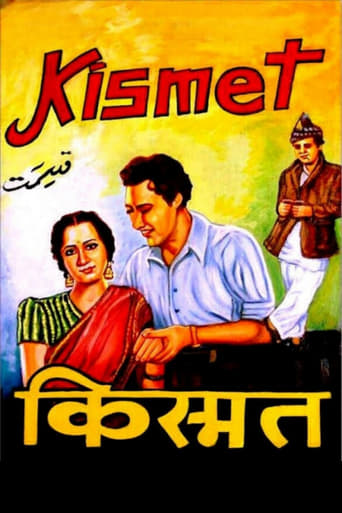
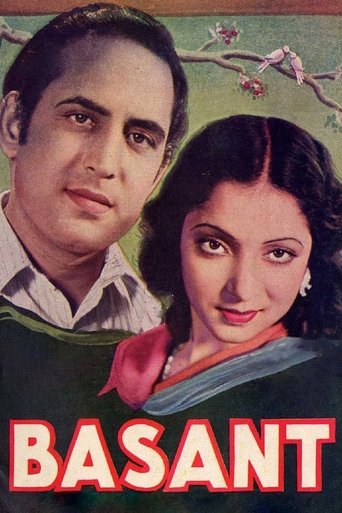
Prominent actress in the early era of Indian cinema, particularly active during the early 1940s. She rose to prominence with her role in the musical drama Basant (1942), which was one of the biggest hits of its time and established her as a talented performer in the Bombay film industry. Her most notable work came in the film Kismet (1943), directed by Gyan Mukherjee, which became successful films in Indian cinema history and ran for over three years in theaters. Mumtaz Shanti's performance in Kismet showcased her ability to portray complex emotions with subtlety and grace, making her a favorite among audiences of the time. Despite her relatively short career span, her contributions to early Indian cinema were significant, particularly during a period when the industry was transitioning from its formative years to what would become known as the Golden Age of Bollywood. Her work in these two landmark films cemented her place in the annals of Indian film history as one of the notable actresses of the early 1940s.
The Craft
On Screen
Mumtaz Shanti was known for her naturalistic acting style that combined traditional Indian theatrical elements with the emerging realism of early cinema. Her performances were characterized by emotional depth and subtlety, particularly in dramatic scenes. She had a screen presence that could convey complex emotions through minimal gestures and expressions, which was particularly effective in the musical dramas she appeared in. Her acting approach was ahead of its time in terms of understatement compared to the more theatrical style prevalent in early Indian cinema.
Best Known For
Iconic Roles
Must-See Films
Accolades
Special Recognition
- Recognized as part of the cast of Kismet, one of Indian cinema's most influential early films
Working Relationships
Worked Often With
Studios
Why They Matter
Impact on Culture
Mumtaz Shanti's contribution to Indian cinema, though brief, was significant during a crucial transitional period. Her work in Kismet (1943) was particularly impactful as the film broke new ground in Indian cinema with its anti-hero protagonist and social themes. The film's unprecedented success helped establish the commercial viability of Indian cinema and influenced the direction of future productions. Her performances contributed to the evolving narrative style of Indian films, moving away from purely mythological stories to more contemporary social themes that audiences could relate to directly.
Lasting Legacy
Mumtaz Shanti's legacy is primarily tied to her role in Kismet, which remains. The film's success and longevity helped demonstrate the commercial potential of Indian cinema and influenced generations of filmmakers. Though her career was short, her work exemplifies the quality of acting that characterized the early golden era of Bollywood. Her performances continue to be studied by film historians as examples of the acting styles and techniques that were evolving during this crucial period of Indian cinema development.
Who They Inspired
While direct documentation of Mumtaz Shanti's influence on other actors is limited, her work in successful films like Kismet helped establish benchmarks for performance quality in early Indian cinema. The naturalistic elements in her acting style contributed to the gradual shift away from purely theatrical performances toward more realistic portrayals that would become standard in later decades. Her success in these early films helped pave the way for future generations of actresses in Indian cinema.
Off Screen
Limited information is available about Mumtaz Shanti's personal life, which was common for many actors of her era. She was active during a period when Indian cinema was still establishing itself, and many personal details of actors from this time remain undocumented. Like many actresses of her generation, she maintained a relatively private personal life away from the spotlight.
Did You Know?
- Kismet (1943) was the first Indian film to celebrate 100 days in theaters
- Kismet featured the first double role in Indian cinema played by Ashok Kumar
- The song 'Aajkal Tere Mere Pyar Ke Charche' from Kismet became extremely popular
- Basant (1942) was one of the highest-grossing films of its time
- Mumtaz Shanti worked during the World War II period when Indian cinema was facing material shortages
- Kismet was the first Indian film to gross over 1 crore rupees
- The success of Kismet helped establish Bombay as the center of Indian film production
- Mumtaz Shanti's active years covered only two years but included two landmark films
- Kismet was remade in several languages due to its success
- The film's portrayal of a thief as protagonist was revolutionary for its time
Frequently Asked Questions
Who was Mumtaz Shanti?
What films is Mumtaz Shanti best known for?
When was Mumtaz Shanti born and when did she die?
Born 1915; died death date not listed.
What awards did Mumtaz Shanti win?
There are no documented awards for Mumtaz Shanti, which was common for actors of her era as formal award systems in Indian cinema were not yet established during her active years.
What was Mumtaz Shanti's acting style?
Mumtaz Shanti was known for her naturalistic acting style that combined traditional Indian theatrical elements with emerging cinematic realism. Her performances were characterized by emotional depth and subtlety, particularly effective in the musical dramas she appeared in.