Films
3 films
About Yakov Malyutin
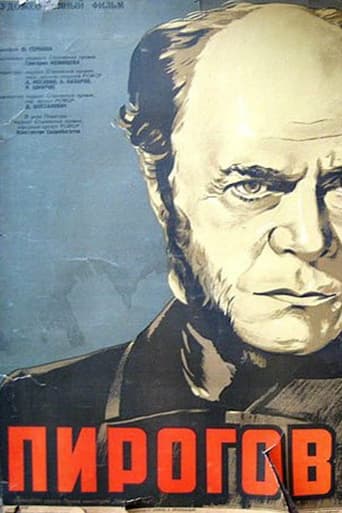
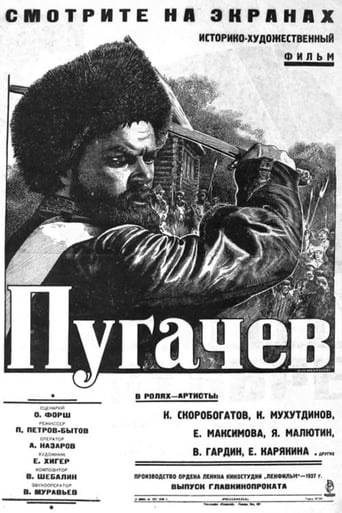
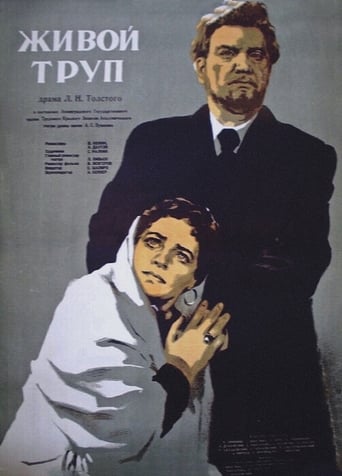
Soviet actor who worked primarily during the Stalin era and early post-war period of Soviet cinema. His screen career spanned the late 1930s through the early 1950s, during which he appeared in several significant Soviet historical and literary adaptations. Malyutin notably portrayed historical figures in state-sanctioned productions that aligned with Soviet ideological narratives. His role in 'Pugachev' (1937) placed him in a film about the famous 18th-century rebellion leader, while 'Pirogov' (1947) allowed him to participate in the biographical tradition of Soviet cinema celebrating national heroes. In 'The Living Corpse' (1952), an adaptation of Tolstoy's play, Malyutin demonstrated his range in literary adaptations. His filmography, while not extensive, reflects the typical trajectory of character actors in the Soviet system who contributed to important cultural productions without achieving star status.
The Craft
Milestones
- Appeared in 'Pugachev' (1937), a historical drama about the Pugachev Rebellion
- Starred in 'Pirogov' (1947), a biographical film about the famous Russian surgeon
- Performed in 'The Living Corpse' (1952), adaptation of Tolstoy's play
- Worked during the Stalin era of Soviet cinema
- Participated in Soviet historical and literary film traditions
Best Known For
Iconic Roles
Must-See Films
Working Relationships
Studios
Why They Matter
Impact on Culture
Yakov Malyutin contributed to Soviet cinema during a crucial period when film was used as a tool for ideological education and cultural consolidation. His participation in historical films like 'Pugachev' and biographical productions like 'Pirogov' placed him within the Soviet tradition of creating cinematic heroes that embodied socialist values. While not a major star, his work in these productions represents the collective effort of Soviet actors to build a national cinema that served both artistic and political purposes. His role in adapting Tolstoy's 'The Living Corpse' connects him to the broader Soviet project of making classical literature accessible to mass audiences through film.
Lasting Legacy
Yakov Malyutin's legacy is preserved through his surviving film performances, which serve as historical documents of Soviet cinematic production during the mid-20th century. His work in 'Pugachev' (1937) is particularly significant as it represents an early example of Soviet historical filmmaking that addressed complex themes of rebellion and authority. Though detailed biographical information about him remains limited in Western sources, his filmography provides insight into the types of roles available to character actors in the Soviet system and the ways in which cinema was used to interpret Russian history and literature for contemporary audiences.
Who They Inspired
As a character actor rather than a leading star, Yakov Malyutin's direct influence on other actors is difficult to trace in available sources. However, his participation in establishing Soviet historical and literary film genres contributed to the stylistic and thematic foundations that would influence subsequent generations of Soviet filmmakers. His work exemplifies the ensemble approach to acting that characterized much of Soviet cinema, where individual performances served the broader narrative and ideological goals of the production.
Off Screen
Limited information is available about Yakov Malyutin's personal life in accessible English-language sources. As a Soviet actor working during the 1930s-1950s, his life would have been shaped by the cultural and political demands of the Stalin era. Like many Soviet actors of his generation, he likely trained at a Soviet film or theater institute and worked within the state-controlled film industry system.
Did You Know?
- Appeared in films spanning 15 years of Soviet cinema history
- Worked during the politically restrictive Stalin era
- Participated in the Soviet tradition of historical biographical films
- His film 'The Living Corpse' was based on a work by Leo Tolstoy
- The film 'Pugachev' dealt with one of Russia's most famous peasant uprisings
- 'Pirogov' celebrated one of Russia's greatest medical pioneers
- His career coincided with the golden age of Soviet historical cinema
- Like many Soviet actors, he likely worked under contract with state film studios
Frequently Asked Questions
Who was Yakov Malyutin?
Screen credits include several notable Soviet films including historical dramas and literary adaptations. He worked during the Stalin era of Soviet cinema, primarily in character and supporting roles.
What films is Yakov Malyutin best known for?
When was Yakov Malyutin born and when did he die?
Specific birth and death dates for Yakov Malyutin are not readily available in accessible English-language sources. His known film active years covered from 1937 to 1952, placing him as an active actor during the Stalin and early post-Stalin periods of Soviet cinema.
What awards did Yakov Malyutin win?
Information about specific awards or honors received by Yakov Malyutin is not available in current accessible sources. Soviet actors of his era often received state honors like 'Honored Artist of the RSFSR' or 'People's Artist' titles, but no such recognitions are documented for him in available materials.
What was Yakov Malyutin's acting style?
While specific details about Yakov Malyutin's acting technique are not documented in available sources, his participation in Soviet historical and literary films suggests he worked within the realistic tradition favored by Soviet cinema. His roles in biographical and historical productions indicate he was capable of portraying both historical figures and characters from classical literature.
What was the significance of the films Yakov Malyutin appeared in?
The films Malyutin appeared in were significant within Soviet cultural policy. 'Pugachev' addressed themes of rebellion and authority, 'Pirogov' celebrated scientific achievement, and 'The Living Corpse' brought classical literature to mass audiences. These films represent key genres in Soviet cinema that served both artistic and ideological purposes.
How does Yakov Malyutin fit into Soviet cinema history?
Yakov Malyutin represents the typical character actor in the Soviet film system who contributed to important cultural productions without achieving star status. His work in historical and literary adaptations during the 1930s-1950s places him within the collective effort to build a national cinema that reflected Soviet values and interpretations of Russian history and culture.