Films
3 films

About Larisa Yemelyantseva
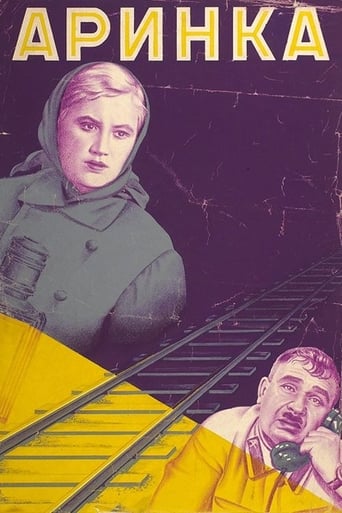
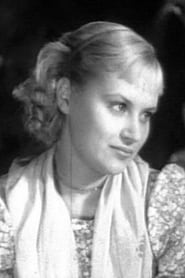
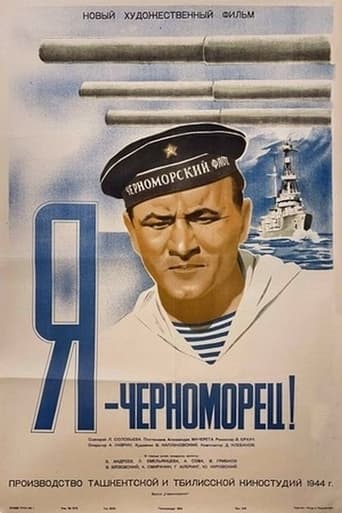
Soviet actress who had a brief but notable career during the tumultuous period of World War II. Her filmography, though limited to three films between 1939 and 1945, captures the essence of Soviet cinema during one of its most challenging eras. She began her career with 'Arinka' in 1939, just before the outbreak of World War II, during a time when Soviet cinema was heavily influenced by socialist realism. Her most productive years coincided with the Great Patriotic War, where cinema served as both entertainment and propaganda. In 'I Am a Black Sea Man' (1944), she appeared during the height of the wartime film production boom, contributing to the morale-boosting cinema that characterized the period. Her final film, 'Simple People' (1945), was released as the war concluded, representing the transition to post-war Soviet cinema. Despite her relatively short career, Yemelyantseva's work exemplifies the dedication of Soviet actors who continued to create art under extreme circumstances, contributing to the cultural resilience of their nation during its darkest hours.
The Craft
Milestones
- Film debut in 'Arinka' (1939)
- Appeared in wartime film 'I Am a Black Sea Man' (1944)
- Final film role in 'Simple People' (1945)
Best Known For
Must-See Films
Working Relationships
Studios
Why They Matter
Impact on Culture
Larisa Yemelyantseva represents the countless supporting actors and character performers who formed the backbone of Soviet cinema during the World War II era. While not a major star, her contributions to films during 1939-1945 reflect the collective effort of the Soviet film industry to maintain cultural production under extreme adversity. Her work in wartime cinema, particularly in 'I Am a Black Sea Man,' exemplifies how even smaller roles contributed to the massive propaganda and morale-boosting efforts that characterized Soviet wartime filmmaking. The films she appeared in are part of the historical record of how cinema was used to reinforce Soviet values and wartime resolve, with each actor, regardless of screen time, playing a part in this larger cultural mission.
Lasting Legacy
Larisa Yemelyantseva's legacy lies in her representation of the working actors who kept Soviet cinema alive during. Her three films serve as historical artifacts documenting both the artistic production and social conditions of wartime Soviet Union. While she may not have achieved lasting fame, her work is preserved in these films that continue to be studied by historians of Soviet cinema. Her career trajectory - beginning just before the war and ending immediately after - mirrors the interrupted dreams and altered paths of many artists of her generation. The preservation of her films ensures that future generations can study the complete ecosystem of Soviet filmmaking, not just its most famous stars.
Who They Inspired
As a supporting actress from the wartime Soviet cinema period, Larisa Yemelyantseva's direct influence on subsequent generations of actors is difficult to trace. However, her work contributes to the broader understanding of acting styles and techniques employed during the socialist realism era. The films she appeared in serve as educational resources for film students studying Soviet cinema, providing examples of how ensemble casts worked together to create the unified ideological messages required by the state. Her performances, though likely small, would have followed the established conventions of Soviet acting of the 1940s, which emphasized clarity, emotional directness, and service to the narrative's ideological goals.
Off Screen
Very little is documented about Larisa Yemelyantseva's personal life, which was not uncommon for many Soviet actors of her era who were not among the most prominent stars. Her active years covered exactly the period of the Great Patriotic War, suggesting she may have been part of the generation of young artists who came of age during the conflict. Like many Soviet actors of the 1940s, she would have experienced the hardships of wartime, including potential evacuation, rationing, and the intense pressure to contribute to the war effort through cultural work.
Did You Know?
- Her entire film active years covered exactly six years, coinciding with World War II
- She appeared in films during three distinct phases: pre-war (1939), wartime (1944), and immediate post-war (1945)
- Her filmography consists entirely of Soviet productions during the Stalin era
- Like many Soviet actors of her era, she likely worked under the state-controlled film system Goskino
- Her films were produced during the height of socialist realism as the official artistic doctrine
- The 1944 film 'I Am a Black Sea Man' was made during the intense period of wartime film production
- Her final film 'Simple People' was released the same year World War II ended
- None of her films appear to have received significant international distribution during her lifetime
Frequently Asked Questions
Who was Larisa Yemelyantseva?
Soviet actress active during the World War II era, appearing in three films between 1939 and 1945. She was a supporting performer during the height of socialist realism in Soviet cinema.
What films is Larisa Yemelyantseva best known for?
Titles linked here include Arinka (1939), I Am a Black Sea Man (1944).
When was Larisa Yemelyantseva active in film?
She was active from 1939 to 1945, a period that exactly coincided with World War II. Her career began just before the war and concluded immediately after its end.
What was the significance of Larisa Yemelyantseva's work?
Her work represents the contributions of supporting actors who maintained Soviet cultural production during wartime. Her films are historical artifacts of how cinema served both artistic and propaganda purposes during the Great Patriotic War.
What style of acting did Larisa Yemelyantseva practice?
As a Soviet actress of the 1940s, she would have worked within the socialist realism tradition, which emphasized clear emotional expression and service to ideological narratives. This style prioritized accessibility and moral clarity over individual artistic expression.