Films
3 films
About Vladimir Lukin
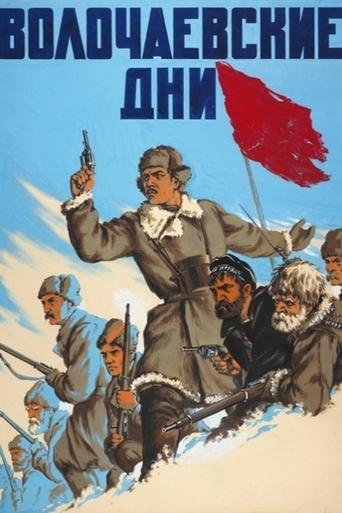
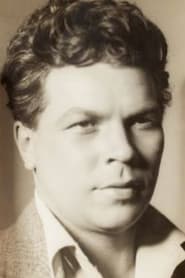
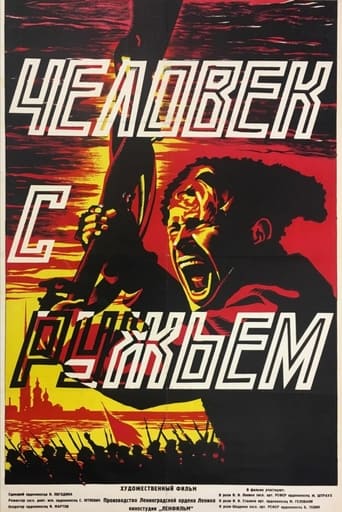
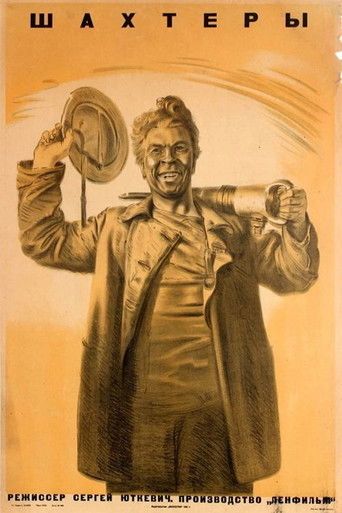
Soviet actor active during the late 1930s, appearing in several notable propaganda films that exemplified the socialist realist style favored by Stalinist cinema. His brief but significant career coincided with a crucial period in Soviet film history when cinema was being utilized as a powerful tool for political education and ideological reinforcement. Lukin appeared in three major productions between 1937 and 1938, each depicting heroic struggles of the Soviet people. His roles in 'The Defense of Volotchayevsk' (1937), 'The Miners' (1937), and 'The Man with the Gun' (1938) positioned him as a character actor specializing in portraying working-class heroes and revolutionary figures. Despite his limited filmography, Lukin's performances contributed to the visual narrative of Soviet strength and resilience during a period of political purges and industrialization. His career, though brief, represents the typical trajectory of many Soviet actors of his era who served the state's cinematic agenda.
The Craft
On Screen
Lukin embodied the socialist realist acting style prevalent in Soviet cinema of the 1930s, characterized by clear, declarative performances that emphasized ideological clarity over psychological complexity. His approach was direct and unambiguous, designed to communicate the heroic virtues of Soviet citizens and the righteousness of the communist cause. Like many actors of his era, he likely employed broad gestures and emphatic delivery to ensure his performances would resonate with mass audiences and serve the educational purposes of Soviet cinema.
Milestones
- Appeared in 'The Defense of Volotchayevsk' (1937), a major Soviet war film
- Starred in 'The Miners' (1937), depicting Soviet industrial workers
- Featured in 'The Man with the Gun' (1938), a revolutionary drama
Best Known For
Iconic Roles
Must-See Films
Working Relationships
Worked Often With
Studios
Why They Matter
Impact on Culture
Vladimir Lukin's work, though limited in scope, contributed to the broader cultural project of Soviet cinema in the late 1930s, a period when film was systematically employed to construct and reinforce socialist ideology. His performances in films depicting revolutionary struggles and industrial achievements helped create the visual vocabulary of Soviet heroism that would influence generations of viewers. As part of the ensemble casts that brought these propagandistic narratives to life, Lukin participated in the creation of cinematic myths about the Soviet experience, contributing to the collective memory and historical understanding of the period for Soviet audiences.
Lasting Legacy
Vladimir Lukin represents the countless character actors who formed the backbone of Soviet cinema during its formative years, though individual details about his life remain elusive. His legacy is preserved through his contributions to three significant films of the late 1930s that exemplify the socialist realist aesthetic and the political priorities of Stalin-era cinema. While not a household name even within Russian film history, Lukin's work serves as an important example of how ordinary actors participated in the grand project of Soviet cultural construction, embodying the ideals and narratives that the state sought to promote through cinema.
Who They Inspired
As a character actor rather than a star, Vladimir Lukin's direct influence on subsequent generations of actors was likely limited, though his work exemplifies the acting techniques and approaches that would dominate Soviet cinema for decades. His performances in politically charged films helped establish templates for portraying revolutionary heroes and working-class protagonists that would be emulated by countless actors in later Soviet productions.
Off Screen
Very little is documented about Vladimir Lukin's personal life, which was common for many character actors in Soviet cinema who were not elevated to star status. Like many actors of his generation, his life was likely deeply intertwined with the political and social upheavals of the 1930s in the Soviet Union.
Did You Know?
- All three of Lukin's known films were released during the height of Stalin's Great Purge (1936-1938)
- His film active years covered only two years but included three major Soviet productions
- The films he appeared in were all examples of socialist realist cinema
- The Defense of Volotchayevsk' depicted events from the Russian Civil War
- The Man with the Gun' was directed by Yuli Raizman, a prominent Soviet filmmaker
- All his films were produced by major Soviet studios and received state support
- His roles consistently portrayed positive Soviet characters aligned with communist ideals
- The films he appeared in were part of a broader cultural campaign to glorify Soviet achievements
Frequently Asked Questions
Who was Vladimir Lukin?
Screen credits include three notable propaganda films: 'The Defense of Volotchayevsk' (1937), 'The Miners' (1937), and 'The Man with the Gun' (1938). He was a character actor who specialized in portraying working-class heroes and revolutionary figures in Soviet cinema.
What films is Vladimir Lukin best known for?
Titles linked here include The Defense of Volotchayevsk (1937), The Miners (1937).
When was Vladimir Lukin born and when did he die?
Specific birth and death dates for Vladimir Lukin are not documented in available historical records, though he was active as an actor in the Soviet Union during the late 1930s.
What awards did Vladimir Lukin win?
There are no documented awards or honors specifically attributed to Vladimir Lukin in the available historical records, which was common for many character actors in Soviet cinema of that era.
What was Vladimir Lukin's acting style?
Lukin employed the socialist realist acting style typical of Soviet cinema in the 1930s, characterized by direct, unambiguous performances designed to communicate ideological clarity and heroic virtues of Soviet citizens.
What was the significance of the films Vladimir Lukin appeared in?
The films Lukin appeared in were significant examples of Soviet propaganda cinema, created during Stalin's regime to promote communist ideology and celebrate Soviet achievements in revolution and industrialization.