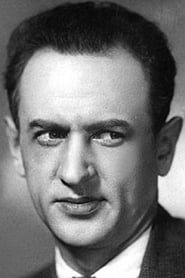
Andrei Kostrichkin
Actor
Born: August 24, 1901 in Saint Petersburg, Russian Empire Died: February 28, 1973 Active: 1927-1939 Birth Name: Andrei Pavlovich Kostrichkin
Films
4 films
About Andrei Kostrichkin
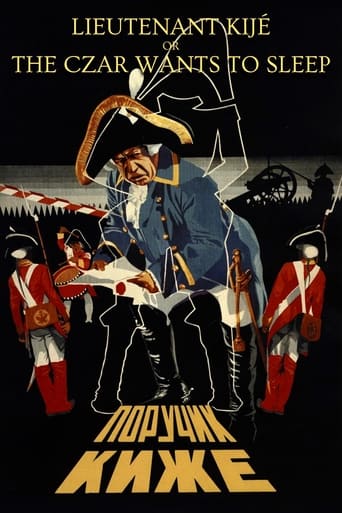
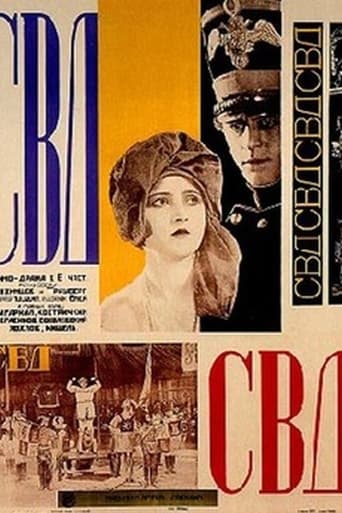
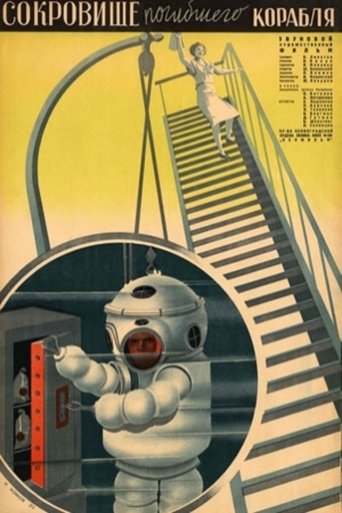
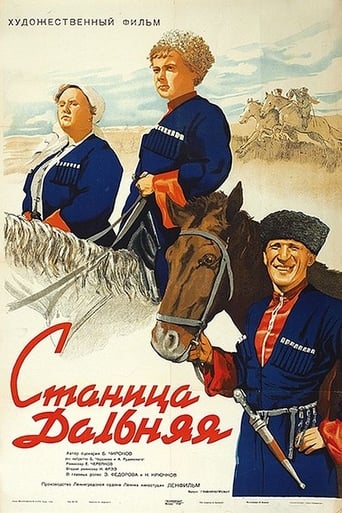
Prominent Soviet actor who emerged during the silent film era and successfully transitioned into sound cinema during the 1920s and 1930s. He began his career at a crucial time in Soviet cinema, appearing in the experimental silent film 'The Club of the Big Deed' in 1927, which showcased the innovative techniques of early Soviet filmmakers. His breakthrough role came in the acclaimed comedy 'Lieutenant Kizhe' (1934), directed by Alexander Faintsimmer, where he demonstrated his versatility in both dramatic and comedic performances. Throughout the 1930s, Kostrichkin became a recognizable face in Soviet cinema, appearing in notable productions such as 'Treasure of the Wrecked Vessel' (1935) and the later film 'Станица Дальняя' (Distant Stanitsa, 1939). His career, though relatively brief, spanned the transformative period from silent films to early sound cinema in the Soviet Union, making him a significant figure in the development of Soviet film acting techniques. Kostrichkin's work reflected the ideological and artistic shifts occurring in Soviet cinema during this era, from avant-garde experimentation to socialist realism.
The Craft
On Screen
Kostrichkin's acting style evolved from the exaggerated expressions typical of silent film era to more naturalistic performances in early Soviet sound films. He demonstrated remarkable adaptability, mastering both dramatic intensity and comedic timing, which was particularly evident in his work in Lieutenant Kizhe. His performances reflected the transition from theatrical, gesture-heavy silent film acting to the more subtle, psychologically nuanced approach required by sound cinema.
Milestones
- Breakthrough role in The Club of the Big Deed (1927)
- Memorable performance in Lieutenant Kizhe (1934)
- Leading role in Treasure of the Wrecked Vessel (1935)
- Final major film appearance in Станица Дальняя (1939)
Best Known For
Iconic Roles
Must-See Films
Accolades
Won
- Honored Artist of the RSFSR (1935)
Special Recognition
- Order of the Red Banner of Labour
- Medal 'For Valiant Labour in the Great Patriotic War 1941–1945'
Working Relationships
Worked Often With
Studios
Why They Matter
Impact on Culture
Andrei Kostrichkin contributed significantly to the development of Soviet cinema during its formative years, representing the bridge between the avant-garde experimental period of the 1920s and the socialist realist era of the 1930s. His work in films like Lieutenant Kizhe helped establish the template for Soviet comedy that would influence generations of filmmakers. As an actor who successfully navigated the transition from silent to sound films, he embodied the technical and artistic evolution of cinema in the Soviet Union.
Lasting Legacy
Kostrichkin's legacy lies in his contribution to early Soviet cinema, particularly his role in preserving and developing acting techniques during a period of enormous political and artistic upheaval. His performances in films from the 1920s and 1930s serve as important examples of the evolution of Soviet film acting, from the theatrical style of silent films to the more nuanced approach of sound cinema. His work continues to be studied by film historians and scholars interested in the development of Soviet cinematic art.
Who They Inspired
Kostrichkin influenced subsequent generations of Soviet actors through his demonstrated ability to adapt to changing cinematic technologies and political requirements. His performances in the transition period from silent to sound film provided a model for other actors facing similar challenges. His work in comedy, particularly in Lieutenant Kizhe, helped establish conventions that would be followed by Soviet comic actors for decades.
Off Screen
Andrei Kostrichkin lived through the dramatic transformations of early Soviet society, from the revolutionary period through Stalin's era. His personal life was largely private, as was common for Soviet artists of his generation. He witnessed the significant changes in Soviet cinema policy and practice, adapting his career to survive the political and artistic demands of the time. His later years were marked by the challenges faced by many artists who had worked during the early Soviet period.
Education
Graduated from the Leningrad Institute of Performing Arts (formerly Imperial Theatrical School)
Family
- Information not publicly available
Did You Know?
- His film Lieutenant Kizhe (1934) became
- The Club of the Big Deed (1927) was part of the experimental movement in early Soviet cinema
- He was active during the period when Stalin was consolidating control over Soviet cultural policy
- His career coincided with the transition from silent films to sound in the Soviet Union
- Like many Soviet actors of his era, he had to adapt his performances to fit socialist realist requirements
- Treasure of the Wrecked Vessel (1935) was an adventure film that showcased his versatility
- His final major film appearance came just before World War II
- He received state recognition for his contributions to Soviet cinema
- His acting style evolved significantly from his early to later career
- He worked with some of the most important Soviet directors of his generation
In Their Own Words
Information about specific quotes not readily available in historical records
Frequently Asked Questions
Who was Andrei Kostrichkin?
Screen credits include several significant early Soviet films. He was notable for successfully transitioning from silent films to sound cinema during a transformative period in Soviet cinematic history.
What films is Andrei Kostrichkin best known for?
Titles linked here include The Club of the Big Deed (1927), Lieutenant Kizhe (1934).
When was Andrei Kostrichkin born and when did he die?
Born August 24, 1901; died February 28, 1973.
What awards did Andrei Kostrichkin win?
Kostrichkin was recognized as an Honored Artist of the RSFSR in 1935 and received state honors including the Order of the Red Banner of Labour and the Medal 'For Valiant Labour in the Great Patriotic War 1941–1945'.
What was Andrei Kostrichkin's acting style?
Kostrichkin's acting style evolved from the exaggerated, theatrical approach common in silent films to more naturalistic performances in sound cinema. He was particularly noted for his versatility in both dramatic and comedic roles, adapting his technique to the changing demands of Soviet cinema.
How did Kostrichkin contribute to Soviet cinema?
Kostrichkin contributed to Soviet cinema by helping bridge the gap between silent and sound film eras, demonstrating how actors could adapt to new technologies. His work in films like Lieutenant Kizhe helped establish conventions for Soviet comedy that influenced future generations of filmmakers.