Attilio Motta
Actor
- Active
- 1911-1911
Films 1
About Attilio Motta
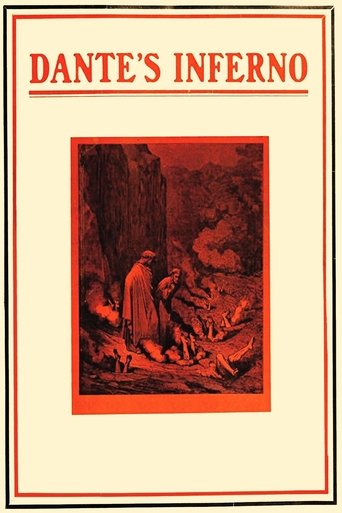
Attilio Motta was an Italian actor who appeared during the pioneering era of cinema, specifically in 1911. His most notable and possibly only known film role was in the groundbreaking Italian silent epic 'Dante's Inferno' (L'Inferno), which was one of the first full-length feature films ever produced. This film was an ambitious adaptation of Dante Alighieri's Divine Comedy and represented a major technical and artistic achievement for early Italian cinema. Motta was part of the ensemble cast that brought Dante's vision of Hell to life through elaborate sets and dramatic performances characteristic of the period. The film was produced by Milano Films and directed by Francesco Bertolini, Adolfo Padovan, and Giuseppe de Liguoro. Unfortunately, like many actors from this very early period of cinema, detailed records of Motta's life and career are scarce, and he appears to have had a very brief acting career limited to this single year of activity.
More about Attilio Motta
On screen
Typical of early silent era Italian actors, featuring exaggerated gestures and dramatic expressions to convey emotion without dialogue
Impact on culture
Attilio Motta, though a minor figure, participated in one of cinema's most important early achievements. 'Dante's Inferno' was groundbreaking as one of the first feature-length films and helped establish Italy as a major force in early cinema. The film's success demonstrated the commercial viability of longer narrative films and influenced the development of epic cinema worldwide. While Motta's individual contribution was small, he was part of a production that pushed the boundaries of what was possible in filmmaking during cinema's infancy.
Lasting legacy
Attilio Motta's legacy is tied directly to his participation in the historic 1911 production of 'Dante's Inferno'. Though his career was brief and largely undocumented, he represents the countless early actors who helped lay the foundation for the film industry. The film itself remains an important artifact of cinema history, and all who worked on it, including Motta, are part of that historical record. His name survives primarily through film credits and cinema archives that document the earliest days of Italian filmmaking.
Who they inspired
As an actor with such a brief career, Attilio Motta had limited direct influence on subsequent performers. However, by participating in an innovative early production, he contributed to the development of cinematic techniques and storytelling methods that would influence future generations of filmmakers and actors. The dramatic style of acting common in this period, which Motta would have employed, gradually evolved but established conventions for silent film performance.
Off screen
Very little is known about Attilio Motta's personal life, which is common for actors from this very early period of cinema. Records from this era are often incomplete or lost entirely.
Career milestones
- Appeared in 'Dante's Inferno' (1911), one of cinema's first feature films
Iconic roles
- Unknown role in 'Dante's Inferno' (1911)
Must-see films
- Dante's Inferno (1911)
Studios
- Milano Films
Did you know?
- Appeared in what is considered one of the first feature-length films in cinema history
- 'Dante's Inferno' (1911) was an Italian production that ran approximately 68 minutes
- The film was based on the first part of Dante Alighieri's 'Divine Comedy'
- The production featured elaborate special effects and set designs that were revolutionary for their time
- The film was an international success and was one of the highest-grossing films of 1911
- Like many early film actors, Motta's complete filmography may never be known due to lost records and films
- The film has been preserved by the Museum of Modern Art and other film archives
- Italian cinema of this period was among the most innovative in the world
Questions and answers
Who was Attilio Motta?
Attilio Motta was an Italian actor active in 1911, best known for his appearance in the groundbreaking silent film 'Dante's Inferno', one of cinema's first feature-length productions.
What films is Attilio Motta best known for?
Motta is primarily known for his role in 'Dante's Inferno' (1911), which appears to be his only documented film appearance.
When was Attilio Motta born and when did he die?
Unfortunately, specific birth and death dates for Attilio Motta are not available in historical records, which is common for actors from this very early period of cinema.
What awards did Attilio Motta win?
No awards or nominations for Attilio Motta have been documented, which is typical for actors from the silent era's earliest years when formal award systems had not yet been established.
What was Attilio Motta's acting style?
Motta's acting style would have been typical of early silent cinema, featuring exaggerated gestures and dramatic expressions necessary to convey emotion without dialogue, as seen in 'Dante's Inferno'.