William Lundigan
Actor
Born: January 12, 1912 in Syracuse, New York, USA Died: December 20, 1975 Active: 1937-1969 Birth Name: William Paul Lundigan
Films
3 films

About William Lundigan
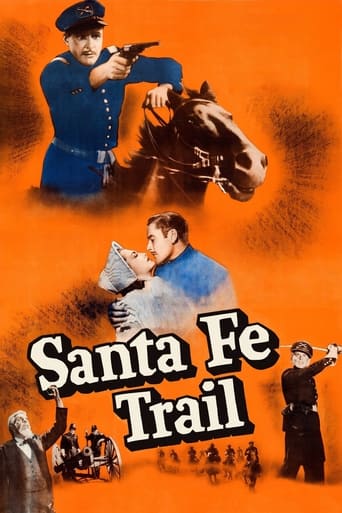
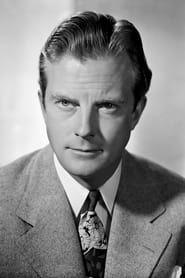
William Paul Lundigan — American actor who rose to prominence during the Golden Age of Hollywood, known for his handsome leading man roles and smooth, sophisticated demeanor. He began his film career in the late 1930s after being discovered while working as a radio announcer in Syracuse, New York. Lundigan signed with Warner Bros. In 1937 and quickly became a reliable supporting player before graduating to leading roles in films like 'Santa Fe Trail' (1940) alongside Errol Flynn and Olivia de Havilland. During World War II, he served in the United States Army Air Forces, temporarily interrupting his film career. After the war, he returned to Hollywood and appeared in notable films including 'Dishonored Lady' (1947) with Hedy Lamarr and 'The House on 92nd Street' (1945). In the 1950s, Lundigan successfully transitioned to television, becoming one of the medium's early stars as the host of 'Cavalcade of Stars' and starring in his own series 'The Man Called X.' He continued working in television through the 1960s, cementing his legacy as a versatile performer who successfully navigated both film and the emerging television industry.
The Craft
On Screen
Lundigan was known for his polished, debonair screen presence and naturalistic acting style that made him particularly effective in romantic leading roles and sophisticated dramas. He possessed a smooth, controlled delivery that worked well in both dramatic and light comedy roles, often playing the handsome, reliable hero or the charming romantic lead. His acting was characterized by understated emotion and a calm, authoritative presence that made him believable as military officers, detectives, and professional men.
Milestones
- Film debut in 'Her Master's Voice' (1937)
- Breakthrough role in 'Santa Fe Trail' (1940)
- Starred in film noir 'The House on 92nd Street' (1945)
- Leading role in 'Dishonored Lady' (1947)
- Became host of 'Cavalcade of Stars' (1950-1952)
- Starred in television series 'The Man Called X' (1956-1957)
Best Known For
Iconic Roles
Must-See Films
Accolades
Won
- Hollywood Walk of Fame Star (1960)
Special Recognition
- Hollywood Walk of Fame Star for Television at 6363 Hollywood Boulevard
Working Relationships
Worked Often With
Studios
Why They Matter
Impact on Culture
William Lundigan played a significant role in bridging the gap between Hollywood's Golden Age and the television era, serving as one of the early film actors to successfully transition to the new medium. His work as the host of 'Cavalcade of Stars' helped establish the template for television variety show hosts, and his starring role in 'The Man Called X' demonstrated the viability of film actors in dramatic television series. Lundigan's career trajectory mirrored the broader changes in American entertainment during the mid-20th century, representing the adaptability required of performers during this transformative period.
Lasting Legacy
William Lundigan's legacy lies in his successful navigation of both the film and television industries during a period of dramatic technological and cultural change. While never achieving the superstar status of some of his contemporaries, he maintained a steady career spanning over three decades and appeared in more than 60 films and numerous television programs. His work in film noir and his smooth transition to television hosting made him a representative figure of the professional, reliable actor who could adapt to changing industry demands.
Who They Inspired
Lundigan influenced subsequent generations of actors by demonstrating the importance of versatility and adaptability in an evolving entertainment landscape. His successful transition from film to television provided a model for other film actors facing the rise of television in the 1950s. His naturalistic acting style and professional demeanor set a standard for television performers, particularly in dramatic series and hosting roles.
Off Screen
William Lundigan was married twice and had two daughters. His first marriage was to Rena Morgan in 1939, which lasted until their divorce in 1962. In 1964, he married Dorothea 'Dottie' X., with whom he remained until his death in 1975. Lundigan was known for his professionalism and reliability in the industry, and he successfully transitioned from film to television at a time when many film actors struggled to make the leap. He was also an accomplished pilot and maintained his interest in aviation throughout his life.
Education
Attended Syracuse University before leaving to pursue his radio career
Family
- Rena Morgan (1939-1962)
- Dorothea 'Dottie' X. (1964-1975)
Did You Know?
- Was discovered while working as a radio announcer at WSYR in Syracuse, New York
- Served in the United States Army Air Forces during World War II from 1942-1945
- Was an accomplished pilot who owned several aircraft
- Hosted 'Cavalcade of Stars' before Jackie Gleason took over the show
- His role in
- The House on 92nd Street' was one of the first Hollywood films to use semi-documentary techniques',
- Was considered for the role of Ashley Wilkes in 'Gone with the Wind' but lost to Leslie Howard
- Appeared in the very first episode of 'The Twilight Zone' in 1959
- Was a skilled horseman who often did his own riding scenes in Westerns
- His television work earned him more recognition and financial success than his film career
- Was known for his professionalism and reliability, rarely turning down work
In Their Own Words
Television is the greatest thing that ever happened to actors like me. It gives us steady work and lets us reach millions of people right in their own homes.
I never wanted to be a star. I just wanted to be a good actor and make a decent living. That's all I ever asked for.
The secret to longevity in this business is simple: show up on time, know your lines, and don't make trouble.
Frequently Asked Questions
Who was William Lundigan?
American with credits in this catalog. He appeared in over 60 films and hosted several television shows, including 'Cavalcade of Stars' before Jackie Gleason.
What films is William Lundigan best known for?
Titles linked here include Santa Fe Trail (1940), The House on 92nd Street (1945).
When was William Lundigan born and when did he die?
Born January 12, 1912; died December 20, 1975.
What awards did William Lundigan win?
William Lundigan received a star on the Hollywood Walk of Fame in 1960 for his contributions to television. While he didn't receive major acting awards, he was recognized for his successful transition from film to television.
What was William Lundigan's acting style?
Lundigan was known for his polished, debonair screen presence and naturalistic acting style. He excelled at playing sophisticated leading men, romantic heroes, and professional characters with an understated, controlled delivery that worked well in both dramatic and light comedy roles.
How did William Lundigan transition to television?
Lundigan successfully transitioned to television in the early 1950s, becoming the host of 'Cavalcade of Stars' from 1950-1952 before Jackie Gleason. He later starred in his own series 'The Man Called X' and appeared in numerous other television shows throughout the 1950s and 1960s.
Did William Lundigan serve in the military?
Yes, William Lundigan served in the United States Army Air Forces during World War II from 1942 to 1945, temporarily interrupting his film career. His service influenced his later casting in military roles.
What was William Lundigan's legacy in entertainment?
Lundigan's legacy lies in his successful career spanning both the Golden Age of Hollywood and the early television era. He demonstrated how film actors could adapt to the new medium of television and maintained a steady, professional career for over three decades in the entertainment industry.