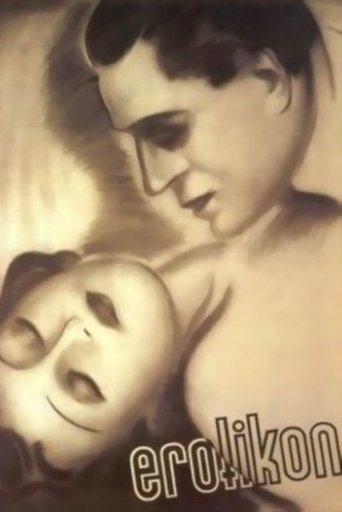
Bohumil Kovář
Actor
- Born
- June 24, 1865, Prague, Austrian Empire (now Czech Republic)
- Died
- January 9, 1931
- Active
- 1885-1931
- Birth name
- Bohumil Josef Kovář
Films 1
About Bohumil Kovář
Bohumil Kovář was a distinguished Czech stage and film actor whose career spanned the formative years of the Czech dramatic arts. Born in Prague in 1865, he began his professional journey in 1885 at the Municipal Theatre in Plzeň before becoming a fixture of the Prague theatrical scene. Kovář was a versatile performer who excelled in comedic roles and eventually transitioned into significant administrative positions, serving as the director of the Uranie Theatre in Holešovice between 1919 and 1922. His film career began in the very infancy of Czech cinema with a role in the 1910 comedy 'Jarní sen starého mládence', though he is most remembered today for his contributions to late silent-era masterpieces. In 1929, he reached a professional peak in film, appearing in five major productions including Gustav Machatý's internationally acclaimed 'Erotikon'. Despite his age, he remained active in the arts, including radio work, until his death in Prague in early 1931.
More about Bohumil Kovář
On screen
Kovář was primarily recognized as a character actor with a strong foundation in comedic timing and 'bon vivant' roles. On stage, he was celebrated for his ability to portray 'gallant fathers' and humorous authority figures. In his later film work, his style matured into more grounded, naturalistic performances, often playing working-class figures or paternal characters with a quiet, dignified presence that suited the visual storytelling of the late silent era.
Impact on culture
Bohumil Kovář represents the bridge between 19th-century traditional Czech theater and the modern era of cinema. By participating in 'Jarní sen starého mládence' in 1910, he helped legitimize the new medium of film for established stage actors. His involvement in 'Erotikon' (1929) placed him at the center of one of the most artistically significant films of the silent era, which gained international acclaim for its avant-garde cinematography and mature themes.
Lasting legacy
His legacy is preserved through his role in the development of the Uranie Theatre, which became a cornerstone of Prague's cultural life under his leadership. In film history, he is remembered as a reliable and expressive character actor who contributed to the 'Golden Age' of Czech silent cinema. His performances serve as a vital record of the acting transitions from the exaggerated gestures of early film to the nuanced realism of the late 1920s.
Who they inspired
Kovář influenced the next generation of Czech actors by demonstrating the viability of a dual career in theatre management and film acting. His work with directors like Machatý and Lamač helped set a standard for character acting that would influence the Czech New Wave decades later.
Off screen
Bohumil Kovář was born into a working-class family; his father was a shoemaker in Prague. He shared his passion for the arts with his brother, Jindřich Kovář, who was also a professional actor. In 1903, Bohumil married Aloisie Veselá, and the couple had a son, also named Bohumil, born later that same year. He spent his final years living in Prague, where he was a well-respected figure in both the theatrical and early film communities.
Education
Kovář initially worked as an accountant and clerk before pursuing acting; specific formal dramatic training is not recorded, as he learned primarily through the apprenticeship system of 19th-century traveling theater troupes.
Career milestones
- Professional stage debut at the Municipal Theatre in Plzeň (1885)
- Became a leading comedic actor at the Švanda Theatre and Pištěk Company in the late 19th century
- Appeared in one of the first Czech feature films, 'Jarní sen starého mládence' (1910)
- Served as the Director of the Uranie Theatre (1919-1922)
- Cast as the Railwayman in the world-renowned silent drama 'Erotikon' (1929)
- Collaborated with legendary director Karel Lamač in 'Hříchy lásky' (1929)
Iconic roles
- The Railwayman in 'Erotikon' (1929)
- The Landlord in 'Jarní sen starého mládence' (1910)
- The Priest in 'Z českých mlýnů' (1925)
- The Director in 'Hříchy lásky' (1929)
- The Father/Miller Horyna in 'Starý hřích' (1929)
Must-see films
- Erotikon (1929)
- Hříchy lásky (1929)
- Jarní sen starého mládence (1910)
- Z českých mlýnů (1929)
- Adjunkt Vrba (1929)
Special recognition
- Recognized as a pioneer of Czech cinematography by the National Film Archive (NFA)
- Commemorated in the Czech Theatre Encyclopedia for his contributions to the Uranie Theatre
Worked often with
- Miroslav Josef Krňanský (Director)
- Gustav Machatý (Director)
- Josef Šváb-Malostranský (Actor/Pioneer)
- Theodor Pištěk (Actor)
- Karel Lamač (Director)
Studios
- Uranie Theatre (Holešovice)
- Švanda Theatre (Smíchov)
- National Film Archive (NFA) Historical Records
Family
- Aloisie Veselá (married 1903)
Did you know?
- Kovář appeared in five different films released in the year 1929 alone.
- He was a popular cabaret performer in Prague before becoming a serious theatre director.
- His first film, 'Jarní sen starého mládence', was long thought to be directed by Jan Kříženecký, but research later credited Josef Křičenský.
- He worked as an accountant and clerk before his acting career took off in 1885.
- He was a member of the Pištěk Company, one of the most influential theatrical groups in Czech history.
- He died in the General Hospital in Prague and is buried in the famous Olšany Cemeteries.
Questions and answers
Who was Bohumil Kovář?
Bohumil Kovář was a prominent Czech stage actor, theatre director, and silent film performer active from the late 19th century until his death in 1931. He is best known for his leadership of the Uranie Theatre and his roles in landmark Czech silent films.
What films is Bohumil Kovář best known for?
He is most famous for playing the Railwayman in Gustav Machatý's 'Erotikon' (1929) and for appearing in the early Czech comedy 'Jarní sen starého mládence' (1910). Other notable works include 'Hříchy lásky' and 'Starý hřích'.
When was Bohumil Kovář born and when did he die?
He was born on June 24, 1865, in Prague, and passed away on January 9, 1931, also in Prague.
What was Bohumil Kovář's acting style?
Kovář was a versatile character actor who specialized in comedic roles and 'paternal' figures. He successfully transitioned from the broad style of cabaret and stage comedy to the more subtle requirements of late silent cinema.
Did Bohumil Kovář win any awards?
While formal film awards like the Oscars did not exist in the Czech film industry during his active years, he was highly honored within the theatrical community and is today recognized as a pioneer of Czech cinema by the National Film Archive.