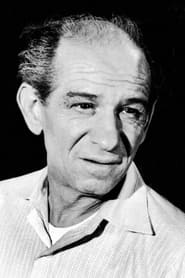
Ned Glass
Actor
Born: November 1, 1906 in Los Angeles, California, USA Died: June 9, 1984 Active: 1929-1977
Films
1 film
About Ned Glass
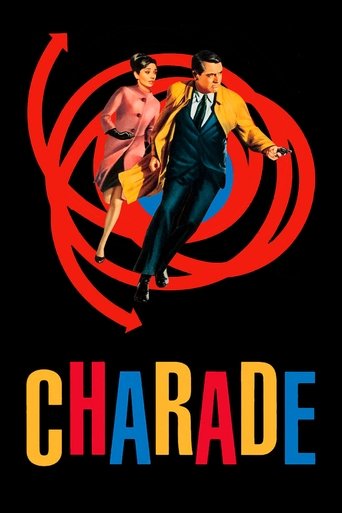
American character actor best remembered for his long career in Hollywood films and television, where his expressive face, wiry energy, and often nervous or shrewd screen presence made him a familiar supporting player. Born in Los Angeles, California, he worked steadily for decades in small but memorable parts, usually playing gangsters, clerks, henchmen, waiters, cab drivers, or other urban types who helped give studio-era films their lived-in texture. He became especially recognizable in the 1940s, 1950s, and 1960s, appearing in a wide range of genres including crime pictures, comedies, westerns, and suspense films. One of his most famous film appearances was in Alfred Hitchcock's Charade (1963), where he contributed to the movie's gallery of suspicious and comic personalities. Glass also became widely known to television audiences through recurring guest roles in popular series, which extended his career well beyond the classic studio era. Although he was never a marquee star, he exemplified the essential Hollywood character actor: highly adaptable, instantly readable, and capable of making even brief appearances memorable. His career reflects the importance of supporting performers in classic cinema, where small roles often carried outsized narrative and atmospheric weight.
The Craft
On Screen
Ned Glass specialized in highly detailed character work, using facial expression, timing, and a slightly nervous or sly demeanor to create vivid supporting figures. He often projected an urban, streetwise energy that made him believable as comic relief, a suspicious bystander, a nervous witness, or a hardened minor hoodlum. His performances were typically economical rather than broad, relying on sharp bits of behavior and voice inflection to establish a character quickly. That efficiency made him especially valuable in ensemble films and television episodes where a role had to be established instantly.
Milestones
- Built a long career as a dependable Hollywood character actor in film and television from the late silent/early sound era into the 1970s
- Appeared in Alfred Hitchcock's Charade (1963), one of his best-known film roles
- Worked across crime dramas, comedies, westerns, and suspense films, often in distinctive supporting parts
- Became a familiar face on television through guest roles and recurring appearances on popular series
- Represented the classic studio-era character actor whose brief appearances enriched many major productions
Best Known For
Iconic Roles
Must-See Films
Working Relationships
Worked Often With
Studios
Why They Matter
Impact on Culture
Ned Glass contributed to the fabric of classic Hollywood by embodying the kind of secondary characters that made studio-era worlds feel authentic. While he was not a star whose name drove box office, his face became part of the visual memory of American genre filmmaking, especially in suspense and crime pictures where minor characters can intensify atmosphere and plot. His work in Charade connected him to one of the great stylish suspense-comedy films of the 1960s, ensuring that his screen presence remains visible to later generations of classic-film fans. Actors like Glass are culturally important because they demonstrate how Hollywood relied on deeply skilled supporting players to sustain pacing, realism, and tonal variety across hundreds of productions.
Lasting Legacy
His legacy lies in the tradition of the American character actor: a performer whose contribution is measured not by stardom but by consistency, versatility, and the ability to leave a strong impression in very little screen time. Ned Glass is remembered by classic-cinema enthusiasts as part of the reliable supporting cast that helped define the look and feel of mid-century Hollywood films. Because he worked in both film and television, he also bridged the transition from the old studio system to the post-studio era, remaining useful as entertainment media changed. His career stands as a reminder that classic cinema depended on many such artists whose names may not always be familiar, but whose faces and performances are deeply embedded in film history.
Who They Inspired
Glass influenced later character actors more by example than by direct mentorship: he demonstrated how a small role could be made vivid through specificity, restraint, and strong screen presence. His type of performance helped establish a model for supporting actors in crime, suspense, and comedy productions, where quick characterization was essential. Through repeated appearances in popular films and television episodes, he contributed to the broader vocabulary of urban supporting characters in mid-century American screen acting. His career exemplifies the craftsmanship that younger performers and casting directors continued to value in ensemble storytelling.
Off Screen
Ned Glass maintained a low public profile compared with many Hollywood performers, and the available record emphasizes his professional work more than his private life. He was born and spent much of his life in Los Angeles, which kept him close to the center of the American film industry. Details about his marriages, family background, and children are not widely documented in standard film-reference sources, suggesting that he did not cultivate the kind of publicity-driven celebrity life associated with leading stars. His career instead appears to have been shaped by steady employment, adaptability, and the reliability valued by studio casting departments.
Education
No reliable public information is consistently documented about his formal education; he appears to have entered the entertainment industry through practical acting work rather than a prominently recorded academic background.
Did You Know?
- He was born in Los Angeles, placing him in the heart of the American film industry from birth.
- Ned Glass was known for playing distinctive character parts rather than leading roles.
- His filmography spans several decades, showing unusual longevity for a supporting actor.
- He appeared in Charade,.
- His face and voice were well suited to nervous, sly, or slightly comic supporting characters.
- He worked in both film and television, which helped keep him visible to audiences over time.
- Like many classic Hollywood character actors, he often played nameless or lightly named roles that nonetheless left a strong impression.
- He is an example of the many reliable performers who gave classic Hollywood its texture and realism.
Frequently Asked Questions
Who was Ned Glass?
Screen credits include many films and television productions across several decades. He was especially valued for playing memorable supporting parts in crime dramas, comedies, and suspense films, including Charade (1963).
What films is Ned Glass best known for?
Titles linked here include Charade (1963), The Killing (1956).
When was Ned Glass born and when did he die?
Born November 1, 1906; died June 9, 1984.
What awards did Ned Glass win?
There are no major awards or nominations that are consistently documented for Ned Glass in the standard film-history record. His career recognition came mainly from the respect earned as a reliable and versatile character actor.
What was Ned Glass's acting style?
Ned Glass specialized in economical, highly specific character acting. He often used nervous energy, sharp timing, and a sly or streetwise presence to make brief roles memorable.
What is Ned Glass's legacy in film history?
His legacy is that of a classic Hollywood character actor who helped films feel authentic and alive. Though he was not a star, he contributed significantly to the atmosphere and realism of studio-era and post-studio productions.