Pramila
Actor
Born: December 30, 1911 in Calcutta (now Kolkata), Bengal Presidency, British India Died: August 6, 2006 Active: 1936-1942 Birth Name: Esther Victoria Abraham
Films
2 films
About Pramila
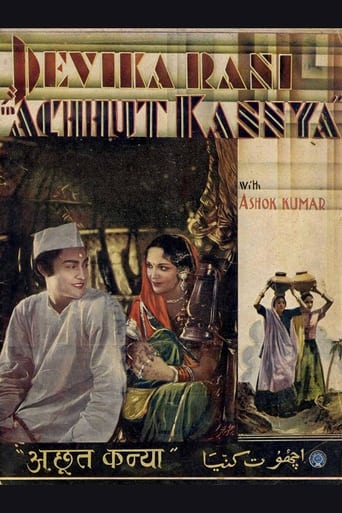
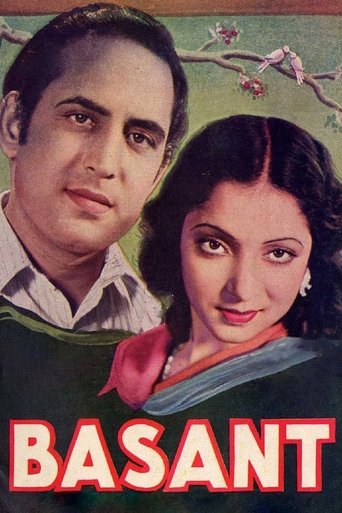
Esther Victoria Abraham, known professionally as Pramila, was an Indian actress of Bene Israel Jewish descent who made significant contributions to early Indian cinema during the 1930s and 1940s. Born into a Jewish family in Calcutta, she entered the film industry during the crucial transition period from silent films to talkies in Indian cinema. Her breakthrough came with the socially conscious film 'Untouchable Girl' (1936), which showcased her ability to handle challenging roles that addressed important social issues. Pramila continued to build her career with notable performances in films like 'Basant' (1942), establishing herself as one of the prominent actresses of her era. She represented the cosmopolitan nature of early Indian cinema, where actresses from diverse religious and cultural backgrounds found success. Beyond her acting career, Pramila made history by becoming the first Miss India in 1947, marking another significant milestone in her remarkable journey. Her the formative years of Indian cinema, contributing to its development during a period of tremendous artistic and technical growth.
The Craft
On Screen
Pramila was known for her graceful screen presence and natural acting style that resonated well with audiences of early Indian cinema. She possessed the ability to convey deep emotions through subtle expressions, a skill particularly valuable in the early talkie era when acting techniques were still evolving. Her performances often combined traditional Indian sensibilities with a modern, cosmopolitan approach that reflected her diverse background. She was particularly effective in dramatic roles that required emotional depth and social consciousness, as demonstrated in 'Untouchable Girl'. Her acting style was characterized by its sincerity and authenticity, making her characters believable and relatable to contemporary audiences.
Milestones
- First Miss India winner in 1947
- actress in early Indian talkies
- Notable performance in 'Untouchable Girl' (1936)
- Starred in the successful film 'Basant' (1942)
- One of the prominent Jewish actresses in early Indian cinema
- Represented the diversity of early Indian film industry
Best Known For
Iconic Roles
Must-See Films
Accolades
Won
- First Miss India (1947)
Special Recognition
- Recognized as one of the actresses of early Indian cinema
- Honored as the first Miss India in Indian pageant history
Working Relationships
Worked Often With
Studios
Why They Matter
Impact on Culture
Pramila's career had significant cultural impact as she represented the diversity and inclusivity of early Indian cinema. As a Jewish actress in a predominantly Hindu-Muslim industry, she broke barriers and demonstrated that talent transcended religious and cultural boundaries. Her role in 'Untouchable Girl' was particularly significant as it addressed the sensitive issue of caste discrimination in Indian society, contributing to the use of cinema as a medium for social reform. By winning the first Miss India pageant in 1947, the year of India's independence, she symbolized the new, modern Indian woman who could balance traditional values with contemporary aspirations. Her success paved the way for other actresses from minority communities to find acceptance and success in Indian cinema.
Lasting Legacy
Pramila's legacy in Indian cinema is that of a trailblazer who helped shape the early years of the industry. She is remembered as one of the actresses who worked during the crucial transition from silent films to talkies, contributing to the development of acting techniques suitable for the new medium. As the first Miss India, she set a precedent for beauty pageants in the country and demonstrated how such platforms could be combined with a successful career in arts. Her story is particularly significant as it highlights the role of the Jewish community in the development of Indian cinema, a contribution that is often overlooked in mainstream film histories. Her daughter's continuation of the family tradition in acting created a multi-generational legacy in Indian entertainment.
Who They Inspired
Pramila influenced subsequent generations of actresses by demonstrating that success in Indian cinema was possible regardless of religious or cultural background. Her natural acting style, which avoided the theatrical excesses common in early cinema, influenced the move towards more realistic performances in Indian films. As a successful actress from a minority community, she inspired other artists from diverse backgrounds to pursue careers in cinema. Her combination of beauty, talent, and education set a standard for actresses who followed, showing that they could be more than just decorative elements in films but could contribute meaningfully to the art of cinema. Her historic win as the first Miss India also influenced how beauty and talent could be combined in the entertainment industry.
Off Screen
Pramila came from the Bene Israel Jewish community of India, one of the oldest Jewish communities in the country. She married Kumar Kumar Sain, a businessman, and they had a daughter together. Her family continued her legacy in the entertainment industry, with her daughter also pursuing a career in acting. Despite being from a minority community, Pramila achieved remarkable success in the predominantly Hindu-Muslim film industry of her time, reflecting the secular and inclusive nature of early Indian cinema. She lived a long life, witnessing the complete transformation of Indian cinema from its early days to the modern era.
Education
Limited information available about her formal education, but she was well-educated for her time, which contributed to her success in the film industry
Family
- Kumar Kumar Sain
Did You Know?
- She was the first ever Miss India, winning the title in 1947
- She belonged to the Bene Israel Jewish community of India
- Her real name was Esther Victoria Abraham
- Her daughter Naqi Jahan also became an actress under the name Nasreen
- She was active during the crucial transition period from silent films to talkies in Indian cinema
- The film 'Untouchable Girl' (1936) was one of the early Indian films to address caste discrimination
- She was one of the few successful actresses from minority communities in early Indian cinema
- She won Miss India in the same year India gained independence (1947)
- Her active years covered the formative years of the Hindi film industry
- She represented the cosmopolitan nature of Bombay's film industry in the 1930s and 1940s
In Their Own Words
Limited documented quotes are available from this early period of Indian cinema, as interviews and press coverage were not as systematically recorded as in later years
Frequently Asked Questions
Who was Pramila?
Pramila, born Esther Victoria Abraham, was an Indian actress of Bene Israel Jewish descent who worked in Hindi cinema during the 1930s and 1940s. She was one of the early actresses in Indian talkies and made history by becoming the first Miss India in 1947.
What films is Pramila best known for?
Titles linked here include Untouchable Girl (1936), Basant (1942).
When was Pramila born and when did she die?
Born December 30, 1911; died August 6, 2006.
What awards did Pramila win?
Pramila's most significant achievement was winning the first Miss India pageant in 1947, a historic accomplishment that came in the same year India gained independence. While formal film awards were not established during her active period, her contributions to early Indian cinema are widely recognized.
What was Pramila's acting style?
Pramila was known for her natural and graceful acting style that avoided the theatrical excesses common in early cinema. She excelled at conveying deep emotions through subtle expressions and was particularly effective in dramatic roles that required emotional depth and social consciousness.
How did Pramila impact Indian cinema?
Pramila impacted Indian cinema as one of the actresses from a minority community who helped establish the inclusive nature of the film industry. Her work in socially relevant films like 'Untouchable Girl' demonstrated cinema's potential as a medium for social reform, while her success paved the way for greater diversity in Indian entertainment.
Did Pramila have family in the film industry?
Yes, Pramila's daughter Naqi Jahan, who acted under the name Nasreen, followed in her mother's footsteps to become an actress. This created a multi-generational legacy of the family's contributions to Indian cinema and entertainment.
What was significant about Pramila winning Miss India in 1947?
Pramila winning the first Miss India in 1947 was historically significant as it occurred in the same year India gained independence from British rule. Her victory symbolized the emergence of the new, modern Indian woman and set a precedent for future beauty pageants in the country.