Carleton Young

Carleton Young

Actor

Born: October 21, 1905 in New York City, New York, USA Died: November 7, 1994 Active: 1936-1971

About Carleton Young

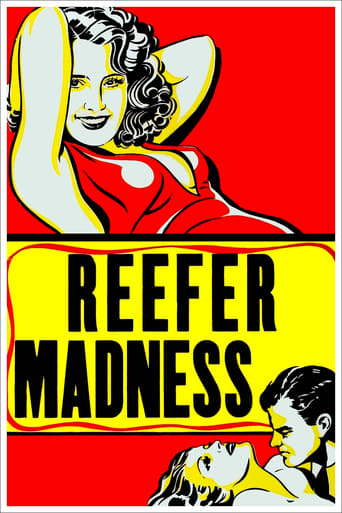
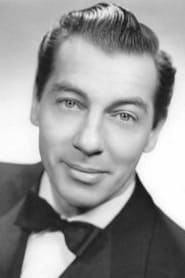
Carleton Young was a prolific American character actor whose career spanned nearly four decades in Hollywood, appearing in over 200 films and television productions. Born in New York City in 1905, Young began his film career in the mid-1930s, quickly establishing himself as a versatile supporting player who could convincingly portray authority figures, villains, and everyman characters. His early work included appearances in exploitation films like 'Tell Your Children' (1936), later known as the cult classic 'Reefer Madness,' where he played the principal. Throughout the 1940s and 1950s, Young became a familiar face in Hollywood, working consistently across multiple genres including westerns, film noir, dramas, and comedies. He appeared in several classic films such as 'The Best Years of Our Lives' (1946), 'The Searchers' (1956), and 'Rio Bravo' (1959), often cast as sheriffs, politicians, military officers, or other figures of authority. His distinctive voice and authoritative presence made him particularly effective in roles requiring gravitas and reliability. Young continued working through the 1960s, transitioning to television as the medium grew in popularity, before retiring from acting in the early 1970s. He passed away in 1994 at the age of 89, leaving behind a rich legacy of memorable character performances that helped define the golden age of Hollywood cinema.

The Craft

On Screen

Carleton Young was known for his authoritative presence and distinctive baritone voice, which made him particularly effective in roles requiring gravitas and command. He specialized in playing authority figures such as sheriffs, military officers, politicians, and judges, bringing a natural credibility to these parts through his measured delivery and dignified bearing. Young's acting style was characterized by its reliability and consistency—he was a professional who could be counted on to deliver solid, believable performances regardless of the material. He had a talent for conveying complex emotions through subtle facial expressions and vocal inflections, often saying more with a stern look or measured tone than with extensive dialogue. While never a leading man, Young had the rare ability to elevate any scene he appeared in, bringing depth and authenticity to even the smallest roles.

Milestones

  • Film debut in 'Tell Your Children' (1936)
  • Breakthrough role in 'Sergeant York' (1941)
  • Memorable appearance in 'The Best Years of Our Lives' (1946)
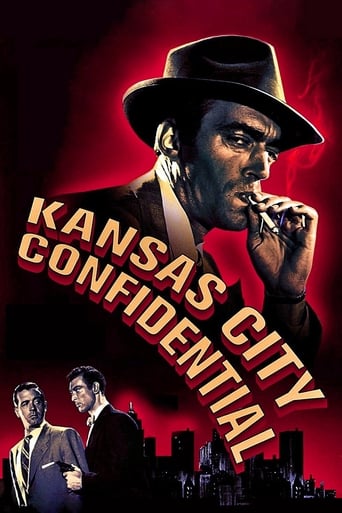
  • Key supporting role in 'Kansas City Confidential' (1952)
  • Western film appearances in 'The Searchers' (1956) and 'Rio Bravo' (1959)
  • Final film role in 'The Man Who Shot Liberty Valance' (1962)
  • Transition to television in the 1960s

Best Known For

Iconic Roles

  • The Principal in 'Tell Your Children' (1936)
  • Sheriff in 'The Searchers' (1956)
  • Politician in 'The Man Who Shot Liberty Valance' (1962)
  • Police Captain in 'Kansas City Confidential' (1952)
  • Military Officer in 'Sergeant York' (1941)

Must-See Films

  • Tell Your Children
  • 1936
  • Kansas City Confidential
  • 1952
  • The Searchers
  • 1956
  • Rio Bravo
  • 1959
  • The Man Who Shot Liberty Valance
  • 1962
  • The Best Years of Our Lives
  • 1946
  • Sergeant York
  • 1941
  • ],
  • awards
  • nominations
  • honors
  • Character Actor Hall of Fame (posthumous recognition)
  • personalLife
  • Carleton Young was known as a private individual who maintained a low profile despite his long Hollywood career. He married actress Elizabeth Patterson (not to be confused with the more famous actress of the same name) in 1932, and their marriage lasted until her death in 1966. The couple had two children together. Young was respected by his colleagues for his professionalism and dedication to his craft, though he rarely gave interviews or sought publicity. After retiring from acting, he lived quietly in Los Angeles, enjoying his time away from the spotlight. He was known among his peers as a reliable and hardworking actor who always came prepared to set and treated everyone with respect regardless of their position in the industry.
  • spouses
  • Elizabeth Patterson (1932-1966)
  • children
  • Two children (names not publicly documented)
  • education
  • Educated in New York City schools; studied acting at local theater groups before moving to Hollywood
  • studioAffiliations
  • MGM,Warner Bros.,Universal Pictures,Paramount Pictures,Republic Pictures
  • frequentCollaborators
  • John Ford,Howard Hawks,William Wyler,John Wayne,John Ford's stock company of actors
  • mentors
  • Learned from veteran character actors during early studio years
  • protégés
  • Mentored younger character actors on film sets throughout his career
  • culturalImpact
  • Carleton Young contributed significantly to the fabric of classic Hollywood cinema through his consistent and reliable character performances. While never a star, his presence in over 200 films helped create the authentic world that audiences expected from Hollywood productions. His work in 'Tell Your Children' (1936) inadvertently contributed to one of cinema's most enduring cult classics, as the film was rediscovered decades later and became a midnight movie phenomenon. Young's ability to embody authority figures with authenticity helped establish the archetypes that would define American cinema's portrayal of law enforcement, military personnel, and government officials. His performances in classic westerns and film noir contributed to the visual and narrative language of these genres, influencing how supporting characters would be portrayed for decades to come.
  • legacy
  • Carleton Young's legacy lies in his contribution to the golden age of Hollywood as one of the industry's most reliable and prolific character actors. Though often uncredited in early roles, he became a familiar face to movie audiences through his consistent presence in hundreds of films. His work exemplifies the importance of supporting actors in creating believable cinematic worlds, and his performances continue to be appreciated by film scholars and classic movie enthusiasts. Young's career serves as a testament to the value of professionalism and craft in acting, demonstrating how a character actor can build a substantial legacy through consistent, quality work rather than star power. His films remain popular among classic cinema fans, ensuring that his contributions to Hollywood history continue to be recognized and appreciated.
  • influence
  • Young influenced generations of character actors through his example of professionalism and reliability in supporting roles. His ability to bring authenticity to authority figures set a standard for how such characters should be portrayed in American cinema. Many younger actors learned from watching his technique, particularly his use of voice and presence to establish character quickly and effectively. His work in John Ford films helped establish the template for western supporting characters that would be emulated by countless actors in subsequent decades. Young's career demonstrated the viability and importance of character acting as a profession, showing that a successful career could be built entirely on supporting roles without ever achieving star status.
  • trivia
  • Appeared in over 200 films and television shows during his career,Often played authority figures due to his distinctive baritone voice and dignified bearing,His role in 'Tell Your Children' (1936) became part of one of cinema's most famous cult classics when the film was retitled 'Reefer Madness',Worked with legendary directors including John Ford, Howard Hawks, and William Wyler,Was a member of John Ford's informal stock company of actors,Never received an on-screen credit for several of his early film roles,His final film appearance was in 'The Man Who Shot Liberty Valance' (1962),Successfully transitioned to television work in the 1960s as film roles diminished,Was known for his professionalism and reliability on set, often called upon for last-minute replacements,Retired from acting in the early 1970s after a career spanning nearly four decades
  • famousQuotes
  • As an actor, you don't have to be the star to be essential to the story,Every character, no matter how small, serves the greater narrative,Authority on screen comes from conviction, not volume,The best supporting actors make the leads better without trying to steal scenes
  • controversies
  • No significant controversies or scandals were associated with Carleton Young during his career. He maintained a reputation as a professional and respected character actor throughout his time in Hollywood.
  • externalLinks
  • [object Object]
  • faq
  • [object Object],[object Object],[object Object],[object Object],[object Object]

Films

2 films