Films
5 films
About Nikolai Stepanov
Soviet actor active during the late 1930s and early 1940s, a period marked by Stalinist cultural policies and the Great Patriotic War. His career, though relatively brief, coincided with some of the most significant years in Soviet cinema history, when film was heavily utilized as a tool for propaganda and national unity. Stepanov appeared primarily in war films and historical dramas that reflected the ideological priorities of the Soviet state during this tumultuous era. His filmography suggests he was likely a character actor who specialized in roles that supported the narratives of Soviet heroism and military triumph. The films he participated in, such as 'The Turning Point' (1945), were among the most significant wartime productions that helped shape Soviet collective memory of World War II. While not a major star, his contributions to these important historical films represent the work of countless supporting actors who helped create the cinematic landscape of wartime Soviet Union.
The Craft
Milestones
- Appeared in 'The Turning Point' (1945),
- Participated in wartime cinema during the Great Patriotic War
- Worked during the peak of Stalinist film production
- Appeared in historical films about the Russian Civil War
- Contributed to Soviet propaganda cinema of the 1940s
Best Known For
Must-See Films
Working Relationships
Studios
Why They Matter
Impact on Culture
Nikolai Stepanov represents the countless character actors who formed the backbone of Soviet cinema during its most ideologically charged period. His participation in major war films and historical dramas contributed to the creation of Soviet cinematic mythology surrounding the Great Patriotic War and the Bolshevik Revolution. While not a household name, actors like Stepanov were essential in bringing to life the narratives that shaped Soviet cultural identity and historical memory during the Stalin era. Their work helped establish the visual language and emotional tone of Soviet wartime cinema that would influence generations of filmmakers.
Lasting Legacy
The legacy of Nikolai Stepanov, like many supporting actors of his era, lives on through the preservation of the films in which he appeared. These movies remain important historical artifacts that provide insight into Soviet cultural production during World War II. His contributions to cinema during this critical period exemplify how film was used as a medium for national mobilization and ideological reinforcement. While individual actors like Stepanov may not be widely remembered today, their collective work helped create some of the most influential and enduring films in Soviet cinema history.
Who They Inspired
As a character actor during a formative period in Soviet film history, Nikolai Stepanov would have been part of the generation that established conventions for portraying Soviet heroism and military valor on screen. His work in war films and historical dramas contributed to the development of acting styles and character archetypes that would become standard in Soviet cinema for decades to come.
Off Screen
Very limited information is available about Nikolai Stepanov's personal life, which was common for many Soviet character actors of this period who did not achieve star status.
Did You Know?
- Appeared in films during
- His active years covered the entire Great Patriotic War (1941-1945)
- Worked in both pre-war and wartime Soviet cinema
- Participated in films that dealt with both the Russian Civil War and World War II
- His filmography reflects the Soviet state's focus on historical and military themes during this period
- Like many Soviet actors of his generation, his career was relatively short and concentrated in the 1940s
Frequently Asked Questions
Who was Nikolai Stepanov?
Soviet with credits in this catalog. He worked primarily as a character actor in productions that supported Soviet ideological narratives.
What films is Nikolai Stepanov best known for?
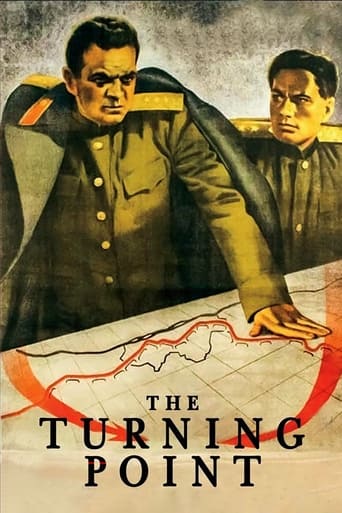
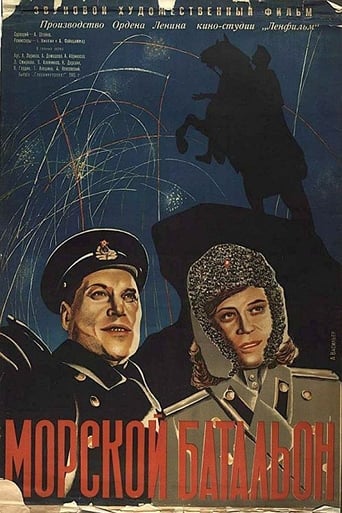
Titles linked here include The Turning Point (1945), Naval Battalion (1944).
When was Nikolai Stepanov active in cinema?
Nikolai Stepanov was active as an actor from 1939 to 1945, a period that encompassed the Great Patriotic War and some of the most ideologically intense years of Soviet cultural production.
What type of roles did Nikolai Stepanov typically play?
Based on his filmography, Stepanov appeared to specialize in character roles in war films and historical dramas, likely playing soldiers, officers, or other figures that supported the narratives of Soviet military and historical triumphs.
Why is there limited information about Nikolai Stepanov?
Limited information is available about Nikolai Stepanov because he was likely a character actor rather than a major star. Many Soviet supporting actors from this period, especially those who did not achieve prominence, have sparse documentation in historical records, particularly in English-language sources.