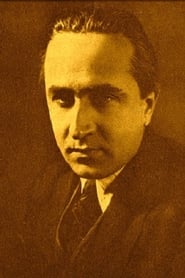
Lev Kuleshov
Actor & Director
Born: January 13, 1899 in Tambov, Russian Empire (now Russia) Died: March 29, 1970 Active: 1917-1942 (as director), continued teaching until 1970 Birth Name: Lev Vladimirovich Kuleshov
Films
8 films
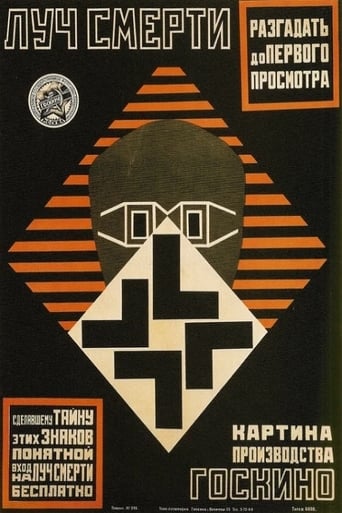
About Lev Kuleshov
Lev Vladimirovich Kuleshov — Soviet filmmaker and film theorist born on January 13, 1899, in Tambov, Russian Empire, who revolutionized cinema through his work on montage theory. Beginning his career as a teenager in the film industry, he worked as a set designer and assistant director before becoming figures in Soviet cinema during the silent era. Kuleshov is most famous for developing the 'Kuleshov effect,' a fundamental principle demonstrating how viewers derive meaning from the interaction of sequential shots rather than individual images in isolation. In 1919, he founded the Kuleshov Workshop at the State Film School (VGIK) in Moscow, where he trained many future Soviet directors including Vsevolod Pudovkin and Boris Barnet. His theoretical writings, particularly 'The Art of Cinema' (1935), established him as a foundational figure in film theory, with his principles of montage becoming universal tools in cinematic expression. Despite facing political persecution during the Stalin era, including accusations of formalism and temporary expulsion from the Communist Party, Kuleshov continued making films and teaching until his death on March 29, 1970, in Moscow, leaving behind a legacy that transformed both Soviet and international cinema.
The Craft
On Screen
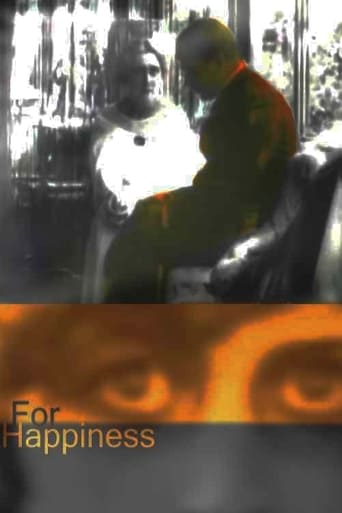
While Kuleshov primarily worked behind the camera, his brief acting appearance in 'For Happiness' (1917) reflected his understanding of performance within the context of montage. He believed that acting should serve the overall composition of shots rather than stand alone, viewing the actor's performance as one element in the larger cinematic equation. His theoretical approach emphasized that meaning was created through the juxtaposition of images, including performance shots, rather than through individual elements.
Behind the Camera
Kuleshov's directing style was revolutionary in its systematic approach to montage, believing that cinema's essence lay in the combination and juxtaposition of shots rather than their individual content. He developed a methodical approach to editing that emphasized the psychological impact of image sequences, creating meaning through the relationships between shots. His style combined American dynamic editing techniques with Russian psychological depth, creating a new cinematic language that prioritized visual storytelling over narrative exposition. Kuleshov's films were characterized by their experimental nature, geometric compositions, and innovative use of editing to create emotional and intellectual responses in viewers.
Milestones
- Developed the revolutionary 'Kuleshov effect' demonstrating the power of montage
- Founded the influential Kuleshov Workshop at VGIK in 1919
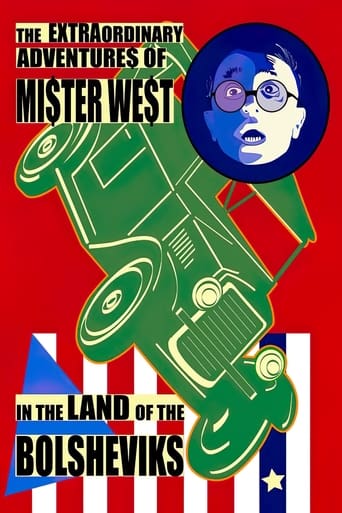
- Directed the groundbreaking film 'The Extraordinary Adventures of Mr. West in the Land of the Bolsheviks' (1924)
- Published seminal theoretical work 'The Art of Cinema' (1935)
- Mentored influential Soviet directors including Vsevolod Pudovkin and Boris Barnet
- Survived political persecution during Stalin's purges while continuing his work
- Received the title of People's Artist of the USSR in 1969
- Established montage theory as a fundamental principle of cinema worldwide
Best Known For
Iconic Roles
Must-See Films
Accolades
Won
- Order of Lenin
- Stalin Prize (1946)
- People's Artist of the USSR (1969)
- Honored Artist of the RSFSR
Nominated
- No formal nominations available for Soviet era awards
Special Recognition
- People's Artist of the USSR (1969)
- Honored Artist of the RSFSR
- Order of the Red Banner of Labour
- Order of the Badge of Honour
Working Relationships
Worked Often With
Studios
Why They Matter
Impact on Culture
Lev Kuleshov fundamentally transformed cinema through his development of montage theory, which became. His famous 'Kuleshov effect' experiment demonstrated that viewers create meaning through the juxtaposition of images, establishing editing as the core of cinematic expression rather than mere storytelling technique. This revelation revolutionized how filmmakers approached their craft, influencing directors from Alfred Hitchcock to contemporary filmmakers and becoming foundational to film education worldwide. His theories helped establish Soviet cinema as a major artistic movement with international influence, and his systematic approach to film language elevated cinema from entertainment to art form worthy of serious academic study.
Lasting Legacy
Kuleshov's lasting legacy is embodied in the universal application of his montage principles across global cinema and film education. His writings, particularly 'The Art of Cinema,' remain essential reading in film schools worldwide, and his concepts continue to influence how filmmakers think about visual storytelling. The Kuleshov Workshop at VGIK became. His work established the intellectual foundation for understanding cinema as a unique art form with its own language and grammar, separate from theater or literature. Even today, filmmakers and editors consciously or unconsciously apply Kuleshov's principles when creating meaning through shot juxtaposition.
Who They Inspired
Kuleshov's influence extends far beyond Soviet cinema to impact international filmmaking practices and film theory globally. His students became major figures in Soviet cinema, spreading his theories through their own work and teaching. International filmmakers, including those in Hollywood, studied and adopted his montage principles, with directors like Alfred Hitchcock explicitly acknowledging his influence. His theoretical framework influenced the development of film studies as an academic discipline, and his concepts remain fundamental to understanding how visual media creates meaning and emotional response. Contemporary filmmakers continue to use his principles in editing everything from feature films to advertisements and music videos, demonstrating the enduring relevance of his discoveries about visual perception and cinematic language.
Off Screen
Kuleshov married actress Aleksandra Khokhlova, who became his frequent collaborator and star in many of his films. Their professional partnership was as significant as their personal relationship, with Khokhlova becoming a prominent figure in Soviet cinema and a dedicated practitioner of his theories. They had one son together. Despite facing political challenges during the Stalin era, including temporary dismissal from VGIK and accusations of formalism, Kuleshov remained dedicated to his artistic and educational work, continuing to teach and influence generations of filmmakers even after his official 'retirement' from filmmaking.
Education
Studied architecture before turning to film; largely self-taught in cinema with practical experience in the early Russian film industry
Family
- Aleksandra Khokhlova (1923-1970)
Did You Know?
- The famous 'Kuleshov effect' experiment used the same neutral facial expression intercut with different images (soup, coffin, woman) to demonstrate how context creates meaning
- He was only 18 years old when he made his directorial debut in 1917
- His workshop was nicknamed the 'Kuleshov Collective' by his devoted students
- He was temporarily expelled from the Communist Party in 1935 for 'formalism' and 'bourgeois tendencies'
- His film 'By the Law' was co-directed with his wife Aleksandra Khokhlova and based on a Jack London story
- He continued teaching film theory even after being officially 'retired' from filmmaking by Soviet authorities
- His theories were initially more influential internationally than in the Soviet Union due to political restrictions
- He was one of the first filmmakers to systematically study the psychological effects of editing on viewers
- His students affectionately called him 'the father of Soviet cinema' for his foundational contributions
- He survived the Great Purge despite many of his colleagues being executed or imprisoned
- His early films were heavily influenced by American cinema, particularly the dynamic editing of D.W. Griffith
- The term 'Kuleshov effect' has entered general usage beyond film studies to describe how context influences perception
In Their Own Words
Cinema is the art of creating images through the juxtaposition of shots.
The essence of cinema lies not in the content of individual shots, but in their combination.
Montage is the nerve of cinema.
We must learn to think in images, not in words.
The film shot is not a photograph, but a building block of cinematic thought.
Art is not a mirror which reflects the world, but a hammer with which to shape it.
The director must be a psychologist who understands how images affect the human mind.
Frequently Asked Questions
Who was Lev Kuleshov?
Soviet filmmaker and film theorist who revolutionized cinema through his development of montage theory. He is best known for the 'Kuleshov effect,' which demonstrated how viewers derive meaning from the juxtaposition of images, and for founding the influential Kuleshov Workshop at VGIK, where he trained many future Soviet directors.
What films is Lev Kuleshov best known for?
Titles linked here include The Extraordinary Adventures of Mr. West in the Land of the Bolsheviks (1924), Death Ray (1925).
When was Lev Kuleshov born and when did he die?
Born January 13, 1899; died March 29, 1970.
What awards did Lev Kuleshov win?
Kuleshov received the Order of Lenin, the Stalin Prize (1946), the title of People's Artist of the USSR (1969), and was recognized as an Honored Artist of the RSFSR. These honors reflected his significant contributions to Soviet cinema and film theory, though his international influence often surpassed his domestic recognition during his lifetime.
What was Lev Kuleshov's directing style?
Kuleshov's directing style was characterized by his innovative use of montage, believing that cinema's essence lay in the combination and juxtaposition of shots rather than their individual content. He developed a systematic approach to editing that emphasized the psychological impact of image sequences, creating meaning through the relationships between shots rather than through narrative alone. His style combined American dynamic editing with Russian psychological depth.
How did Lev Kuleshov influence cinema?
Kuleshov fundamentally transformed cinema through his development of montage theory and the 'Kuleshov effect,' which demonstrated how viewers create meaning through the interaction of sequential images. His theories became foundational to film education worldwide, influencing directors from Eisenstein to Hitchcock and contemporary filmmakers. His workshop at VGIK trained generations of Soviet directors, and his writings on film theory remain essential reading in film schools globally.
What was the Kuleshov effect?
The Kuleshov effect was a groundbreaking film editing experiment that demonstrated how viewers derive more meaning from the interaction of two sequential shots than from a single shot in isolation. By showing the same neutral facial expression intercut with different images (soup, coffin, woman), Kuleshov proved that context and juxtaposition create meaning and emotional response, fundamentally changing how filmmakers understand the psychological power of editing.
Why was Lev Kuleshov important to Soviet cinema?
Kuleshov was crucial to Soviet cinema as one of its founding theorists and practitioners, establishing principles of montage that became central to Soviet film aesthetics. His workshop at VGIK trained many of the most important Soviet directors, and his theoretical writings provided the intellectual foundation for the Soviet montage school. Despite political challenges, his work helped establish Soviet cinema as a major artistic movement with international influence.