
Usha Kiran
Actor
Born: January 1, 1929 in Bombay, Bombay Presidency, British India Died: March 22, 2000 Active: 1948-1990 Birth Name: Usha Kiran Sharma
Films
2 films
About Usha Kiran
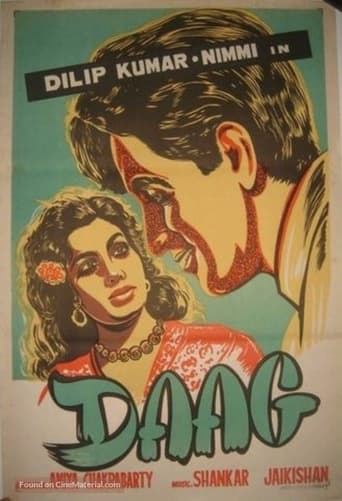
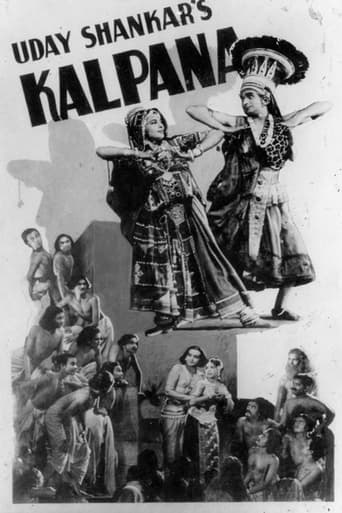
Indian actress who emerged as versatile performers of early Indian cinema, beginning her career in the late 1940s. She made her mark with notable performances in films like Kalpana (1948), which showcased her ability to embody complex characters during the transitional period of Indian cinema. Her role in Daag (1952) further cemented her reputation as a serious dramatic actress capable of handling nuanced emotional roles. Throughout her career spanning several decades, Usha Kiran demonstrated remarkable adaptability, transitioning from lead roles to character parts as she matured in the industry. She became particularly known for her sophisticated portrayals of modern Indian women, breaking away from traditional stereotypes prevalent in cinema of that era. Her performances often carried a subtle grace and naturalistic quality that set her apart from many contemporaries. By the 1960s and 1970s, she had successfully established herself as a respected character actress, appearing in numerous films alongside the biggest stars of Indian cinema. Her career trajectory reflected the evolution of Indian cinema itself, from the post-independence era through the golden age of Hindi films.
The Craft
On Screen
Usha Kiran was known for her naturalistic and understated acting style, which was ahead of its time in Indian cinema. She brought a subtle sophistication to her roles, avoiding melodramatic exaggerations that were common in the era. Her performances were characterized by nuanced facial expressions and a calm, dignified presence that commanded attention even in supporting roles. She had a particular talent for portraying educated, modern Indian women with depth and authenticity.
Milestones
- Debut in Kalpana (1948) directed by Uday Shankar
- Breakthrough performance in Daag (1952)
- Transition to character roles in the 1960s
- Award-winning performances in supporting roles
- Long-lasting career spanning over four decades
- Work with legendary directors of Indian cinema
- Mentorship of younger actors in later years
Best Known For
Iconic Roles
Must-See Films
Accolades
Won
- Filmfare Award for Best Supporting Actress for 'Kora Kagaz' (1975)
- Filmfare Award for Best Supporting Actress for 'Mili' (1976)
- Bengal Film Journalists' Association Award for Best Supporting Actress (Hindi) for 'Anupama' (1967)
Nominated
- Filmfare Award for Best Supporting Actress for 'Jab Pyar Kisi Se Hota Hai' (1962)
- Filmfare Award for Best Supporting Actress for 'Chhaya' (1962)
- Filmfare Award for Best Supporting Actress for 'Anupama' (1967)
Special Recognition
- Recognized as one of the character actresses of Indian cinema
- Posthumous tributes from Indian film industry for her contributions
- Featured in retrospectives of classic Indian cinema
Working Relationships
Worked Often With
Studios
Why They Matter
Impact on Culture
Usha Kiran played a significant role in shaping the portrayal of women in Indian cinema, particularly through her representation of educated, independent female characters. Her performances helped challenge traditional stereotypes and paved the way for more realistic and nuanced female roles in Hindi cinema. She was instrumental in establishing the importance of character actresses in Indian films, proving that supporting roles could be as impactful as lead performances. Her work reflected the changing social dynamics of post-independence India, where women were increasingly taking on more prominent roles in society.
Lasting Legacy
Usha Kiran's legacy endures through her extensive body of work that spans over four decades of Indian cinema. She is remembered as. Her performances continue to be studied by film students and actors for their subtlety and naturalistic quality. She helped establish the template for modern character actresses in Bollywood, showing that supporting roles could be both artistically fulfilling and commercially successful. Her influence can be seen in the work of subsequent generations of character actresses who followed in her footsteps.
Who They Inspired
Usha Kiran influenced generations of Indian actresses through her natural acting style and choice of roles. She demonstrated that it was possible to have a long and successful career in Indian cinema without compromising on artistic integrity. Her ability to transition from lead roles to character parts inspired many actresses to view aging in the industry as an opportunity rather than a limitation. Younger actresses often cited her professionalism and dedication as inspiration. Her work in films with social themes helped pave the way for more meaningful cinema in India.
Off Screen
Usha Kiran was married to Dr. Manmohan Shroff, a well-known dentist in Bombay. The couple had two daughters, including actress Prema Narayan who followed in her mother's footsteps. Usha Kiran maintained a relatively private personal life despite her fame, focusing on her family while continuing her acting career. She was known for her professionalism and dedication to her craft, often balancing family responsibilities with demanding film schedules. Her daughter Prema Narayan also became a successful actress and model in the 1970s. Usha Kiran was respected in the industry for her grace both on and off screen.
Education
Educated in Bombay during the British era; completed schooling before entering films
Family
- Dr. Manmohan Shroff
Did You Know?
- She began her career as a dancer before transitioning to acting
- Kalpana (1948) was one of the first Indian films to feature extensive dance sequences
- She was one of the few actresses of her era to successfully transition from lead roles to character roles
- Usha Kiran worked with three generations of actors during her career
- She was known for never being late on set, a rarity in the film industry
- Her daughter Prema Narayan was Miss India runner-up before becoming an actress
- She often played mother to actors who were actually older than her in real life
- Usha Kiran was fluent in multiple languages, which helped her in various regional film industries
- She maintained her popularity even when many of her contemporaries had retired
- She was known for her elegant fashion sense both on and off screen
In Their Own Words
Acting is not about becoming someone else, it's about finding the truth within yourself and expressing it through the character
In cinema, as in life, the supporting pillars are as important as the main structure
I never saw age as a limitation in my career; each decade brought new opportunities to explore different facets of womanhood
Frequently Asked Questions
Who was Usha Kiran?
Indian actress active from the 1940s through the 1980s, known for her versatile performances in Hindi cinema. She successfully transitioned from lead roles to become.
When was Usha Kiran born and when did she die?
Born January 1, 1929; died March 22, 2000.
What awards did Usha Kiran win?
Usha Kiran won two Filmfare Awards for Best Supporting Actress for Kora Kagaz (1975) and Mili (1976), and received the Bengal Film Journalists' Association Award for Best Supporting Actress for Anupama (1967). She was also nominated for several other Filmfare Awards throughout her career.
What was Usha Kiran's acting style?
Usha Kiran was known for her naturalistic and understated acting style, characterized by subtle expressions and dignified presence. She avoided melodramatic performances common in her era, instead bringing authenticity and sophistication to her roles, particularly in portraying educated, modern Indian women.