Films
3 films

About Aleksey Slavin
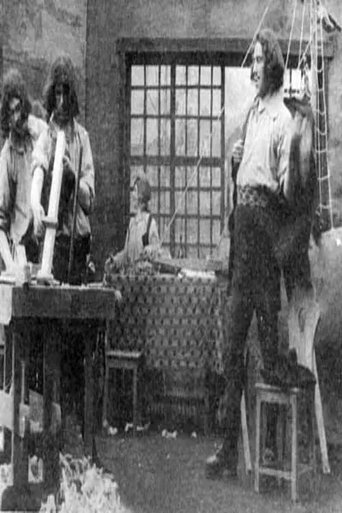
Aleksey Slavin appears in The Death of Ivan the Terrible (1909), Peter the Great (1910) in this catalog. His brief but notable film from 1909 to 1910, during which he participated in two significant historical films that helped establish Russian cinema as a cultural force. Slavin appeared in 'The Death of Ivan the Terrible' (1909), one of the earliest Russian historical epics, and followed this with 'Peter the Great' (1910), another ambitious production from Russia's nascent film industry. These films were produced during a crucial period when Russian filmmakers were beginning to explore their country's rich historical narratives through the new medium of cinema. Like many actors of this early period, Slavin's career was likely shaped by the theatrical traditions of the time, as early cinema heavily borrowed from stage acting techniques. His work represents the foundation of Russian film acting, though detailed records of his performances and techniques have largely been lost to history.
The Craft
Milestones
- Appeared in 'The Death of Ivan the Terrible' (1909), one of Russia's earliest historical films
- Starred in 'Peter the Great' (1910), a Russian epic
- Participated in the foundational period of Russian cinema
Best Known For
Iconic Roles
Must-See Films
Working Relationships
Worked Often With
Studios
Why They Matter
Impact on Culture
Aleksey Slavin represents the generation of Russian film actors who helped establish the country's cinematic traditions. His participation in early historical epics like 'The Death of Ivan the Terrible' and 'Peter the Great' contributed to the development of Russian cinema's fascination with historical narratives that would continue throughout the Soviet era. These early films, featuring actors like Slavin, laid the groundwork for Russia's later cinematic achievements and demonstrated the potential of film as a medium for exploring national history and identity.
Lasting Legacy
Though specific details about Aleksey Slavin's career and performances have largely been lost to time, his work survives as part of the foundation of Russian cinema history. His films represent the ambitious beginnings of Russian filmmaking, when pioneers were first discovering how to translate Russia's rich historical and cultural heritage to the screen. The very existence of these early films, featuring actors like Slavin, demonstrates the rapid development of cinema in Russia during this period.
Who They Inspired
As an actor from the very earliest period of Russian cinema, Slavin's direct influence on later performers is difficult to trace, but he was part of the generation that established basic film acting techniques in Russia. The historical films he appeared in helped create a template for Russian historical cinema that would influence countless later filmmakers and actors throughout the 20th century.
Off Screen
Very little is documented about Aleksey Slavin's personal life, which was common for actors from this very early period of cinema. Many performers from the first decade of Russian film have left minimal biographical traces, as cinema was still considered a novelty rather than a serious artistic profession during their careers.
Did You Know?
- Aleksey Slavin's films were made during the same period that D.W. Griffith was beginning his career in America
- The films he appeared in were among the first Russian productions to tackle historical subjects
- 1909-1910 was a crucial year for Russian cinema, with domestic production beginning to challenge foreign imports
- Early Russian actors like Slavin often came from theatrical backgrounds due to cinema's low social status
- The films he appeared in were likely silent with live musical accompaniment, as was standard for the period
- Russia was one of the world's most productive film industries by 1910, producing over 100 films annually
- Many early Russian films from this period have been lost, making surviving works particularly valuable
- Actors in early Russian cinema were often not credited by name in the films themselves
Frequently Asked Questions
Who was Aleksey Slavin?
Early Russian film with credits in this catalog. He appeared in two significant historical films, 'The Death of Ivan the Terrible' and 'Peter the Great,' which were among Russia's earliest cinematic productions exploring national history.
What films is Aleksey Slavin best known for?
Titles linked here include The Death of Ivan the Terrible (1909), Peter the Great (1910).
When was Aleksey Slavin born and when did he die?
Unfortunately, specific birth and death dates for Aleksey Slavin are not documented in available historical records, which is common for actors from the very earliest period of Russian cinema when biographical details were rarely preserved.
What awards did Aleksey Slavin win?
Aleksey Slavin did not receive any documented awards, as formal award systems for cinema did not exist during his brief career in 1909-1910. This was before the establishment of major film honors like the Academy Awards, which began in 1929.
What was Aleksey Slavin's acting style?
While specific details about Slavin's acting technique are not documented, actors from this period typically employed exaggerated theatrical styles adapted for the screen. Early film acting was heavily influenced by stage traditions, with broad gestures and expressions necessary to convey emotion in silent films.
Why is so little known about Aleksey Slavin?
The scarcity of information about Slavin reflects the challenges of documenting early cinema history. Many records from 1909-1910 were lost during Russia's political upheavals, and cinema was not yet considered a serious art form worthy of detailed documentation during his career.