
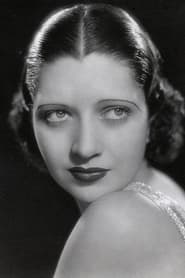
Kay Francis
Actor
Born: January 13, 1905 in Oklahoma City, Oklahoma, USA Died: August 15, 1968 Active: 1929-1946 Birth Name: Katharine Edwina Gibbs
Films
7 films
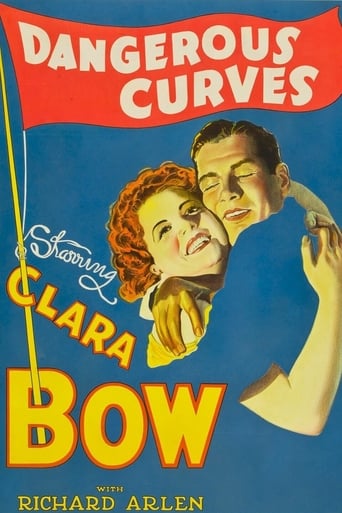
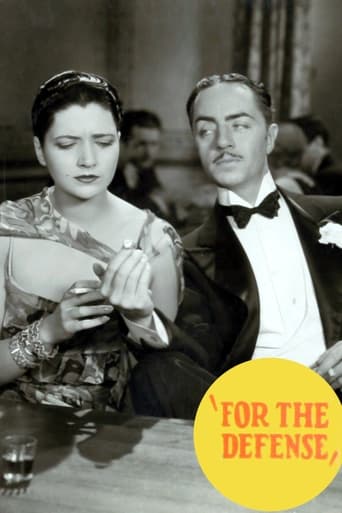
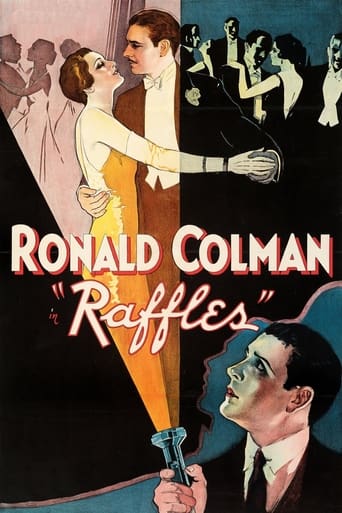
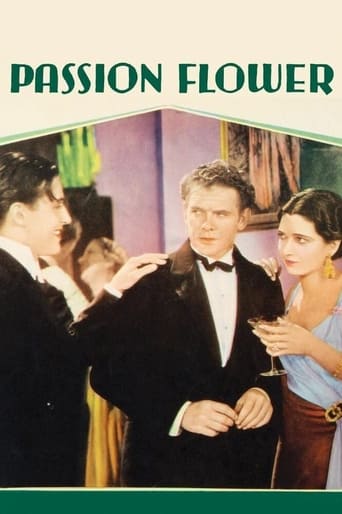
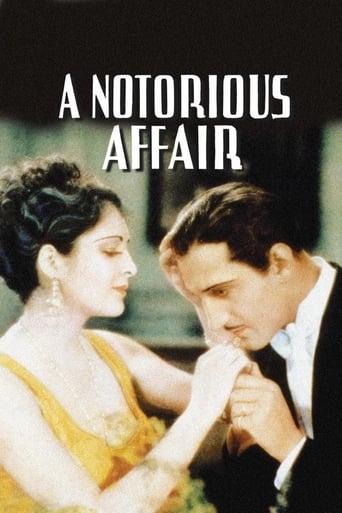
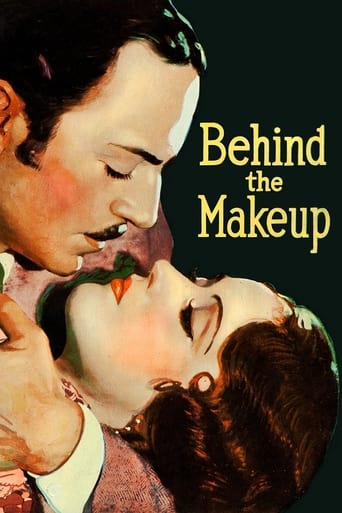
About Kay Francis
Kay Francis was prominent and highest-paid actresses of the early 1930s, known for her sophisticated style and distinctive voice. Born Katharine Edwina Gibbs, she began her career on Broadway before transitioning to films in 1929. Francis quickly rose to stardom at Paramount Pictures, where she developed her signature persona as an elegant, worldly woman often playing dramatic roles in melodramas and sophisticated comedies. Her career peaked in the early-to-mid 1930s when she became Warner Bros.' highest-paid star, earning over $100,000 per year. Despite her immense popularity, her career began to decline in the late 1930s due to typecasting and changing audience preferences. She continued acting in films through the 1940s, though often in supporting roles or B-movies. Francis retired from acting in the early 1950s and spent her later years involved in charitable work before her death from cancer in 1968.
The Craft
On Screen
Kay Francis was known for her sophisticated, elegant acting style characterized by her distinctive husky voice and refined mannerisms. She specialized in playing strong, independent women often involved in complex romantic situations. Her approach combined naturalistic delivery with the theatrical training from her Broadway background, allowing her to excel in both dramatic and comedic roles. Francis was particularly adept at conveying emotion through subtle facial expressions and her characteristic raised eyebrow, which became her trademark.
Milestones
- Film debut in The Cocoanuts (1929)
- Breakthrough role in Girls About Town (1931)
- Became Warner Bros.' highest-paid star in 1935
- Starred in the acclaimed I Found Stella Parish (1935)
- Formed her own production company in 1938
- Received critical acclaim for In Name Only (1939)
- Final film role in Four Jills in a Jeep (1944)
Best Known For
Iconic Roles
Must-See Films
Accolades
Special Recognition
- Hollywood Walk of Fame star at 6766 Hollywood Boulevard
- One of the top ten box office stars in 1934 and 1935
Working Relationships
Worked Often With
Studios
Why They Matter
Impact on Culture
Kay Francis represented the epitome of 1930s Hollywood glamour and sophistication, influencing fashion trends with her elegant wardrobe and distinctive style. Her success as one of the highest-paid actresses of her era helped pave the way for women to achieve financial independence in Hollywood. Francis was also notable for her open bisexuality during a time when such matters were typically concealed, making her a subtle pioneer for LGBTQ visibility in Hollywood. Her films often featured strong female protagonists, contributing to the evolving portrayal of women in cinema during the transition from pre-code to post-code Hollywood.
Lasting Legacy
Kay Francis remains a significant figure in classic Hollywood history, remembered for her contributions to the sophisticated comedies and melodramas of the 1930s. While her star faded during her lifetime, film historians and classic cinema enthusiasts have rediscovered her work, recognizing her talent and cultural significance. Her films, particularly those directed by Ernst Lubitsch, are studied as examples of early sound cinema craftsmanship. Francis' story has become emblematic of the transient nature of Hollywood fame and the challenges faced by aging actresses in the studio system. Her legacy endures through film preservation efforts and renewed appreciation of her contributions to Golden Age Hollywood.
Who They Inspired
Kay Francis influenced a generation of actresses who followed her in playing sophisticated, worldly characters in Hollywood films. Her success in melodramas and sophisticated comedies helped establish templates for female leads in these genres. Her distinctive voice and delivery style influenced vocal techniques in early sound films. Francis' business acumen in forming her own production company demonstrated early examples of actors taking control of their careers, paving the way for future independent production efforts by stars. Her openness about her bisexuality, while subtle, helped create space for greater LGBTQ representation in Hollywood.
Off Screen
Kay Francis had a complex personal life marked by five marriages and numerous relationships with both men and women. She was known for her bisexuality and had affairs with several prominent Hollywood figures, including Tallulah Bankhead and Howard Hughes. Despite her glamorous public image, she struggled with personal insecurities and was known for her generosity to friends and charitable causes. She adopted a son, Edward, in 1943. In her later years, she suffered from health problems including breast cancer, which ultimately led to her death.
Education
Attended Finch College and Katharine Gibbs Secretarial School in New York City
Family
- James Dwight Francis (1922-1925)
- Gaston G. Borchardt (1925-1927)
- Alan Ryan (1931-1933)
- John M. 'Kenny' Morgan (1933-1938)
- J. Harold 'Hal' B. Wallis (1939-1948)
Did You Know?
- Was Hollywood's highest-paid actress in 1935, earning $115,000
- Had a distinctive speech impediment - trouble pronouncing the letter 'R'
- Was known for her extensive wardrobe collection, owning over 500 fur coats
- Her signature look included penciled eyebrows that became a fashion trend
- Was one of the first stars to successfully break her studio contract
- Spent over $1 million on charity during her lifetime
- Was a licensed pilot and enjoyed flying in her personal time
- Her mother was actress Katherine Clinton
- Spoke fluent French and German
- Was originally offered the role that went to Bette Davis in 'Of Human Bondage' (1934)
In Their Own Words
I'm not beautiful. I'm not glamorous. I'm just a plain, simple girl who wants to act.
Hollywood is a place where they'll pay you a thousand dollars for a kiss and fifty cents for your soul.
I've been rich and I've been poor. Rich is better.
The trouble with the movies is that they're too big. They take too much out of you.
Frequently Asked Questions
Who was Kay Francis?
Kay Francis was. She starred in numerous films for Paramount and Warner Bros., specializing in melodramas and sophisticated comedies that showcased her elegant persona.
What films is Kay Francis best known for?
Titles linked here include Trouble in Paradise (1932), One Way Passage (1932).
When was Kay Francis born and when did she die?
Born January 13, 1905; died August 15, 1968.
What awards did Kay Francis win?
While Kay Francis never received Academy Award nominations or major acting awards, she was recognized as one of the top ten box office stars in 1934 and 1935. She received a star on the Hollywood Walk of Fame at 6766 Hollywood Boulevard for her contributions to the film industry.
What was Kay Francis's acting style?
Kay Francis was known for her sophisticated and elegant acting style, characterized by her distinctive husky voice and refined mannerisms. She specialized in playing strong, independent women in complex romantic situations, using subtle facial expressions and her characteristic raised eyebrow to convey emotion effectively.
Why did Kay Francis's career decline?
Kay Francis's career declined in the late 1930s due to several factors including typecasting in similar roles, changing audience preferences, conflicts with studio executives, and the enforcement of the Hays Code which limited the sophisticated themes she excelled in. Her high salary also made studios reluctant to cast her as her box office appeal began to wane.
Was Kay Francis married?
Yes, Kay Francis was married five times throughout her life: to James Dwight Francis (1922-1925), Gaston Borchardt (1925-1927), Alan Ryan (1931-1933), John Morgan (1933-1938), and Hal Wallis (1939-1948). She also adopted a son, Edward, in 1943.