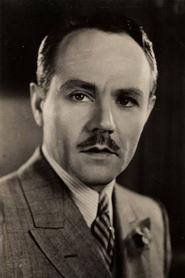
Charles Ruggles
Actor
- Born
- February 2, 1886, Pasadena, California, USA
- Died
- December 23, 1970
- Active
- 1900s-1950s
Films 1
About Charles Ruggles
Charles Ruggles was an American character actor whose long career made him one of the most recognizable comic personalities of classical Hollywood. Born in Pasadena, California, he began in the entertainment business with early stage work and gradually moved into film during the late silent era, where his expressive face, elegant bearing, and famously befuddled manner quickly made him a natural fit for sophisticated comedy. By the early 1930s he had become a major screen presence, often playing witty, fast-talking, vain, or flustered gentlemen whose comic frustrations became a reliable audience pleasure. Although he was capable of broad humor, he was especially effective in lightly satirical roles that balanced urbane polish with verbal and physical exasperation, and he remained a dependable supporting player in features across several decades. His work ranged from screwball comedy and musical films to westerns and character parts in prestige productions, and he also appeared frequently on stage and in later television work. Ruggles was widely admired by colleagues for his timing and professionalism, and his career longevity reflected both his versatility and the enduring appeal of his distinctive comic persona. He remained active well into the 1950s and is remembered as one of the classic-era screen comedians whose supporting performances often stole scenes from the stars.
More about Charles Ruggles
On screen
Ruggles's acting style was rooted in precise comic timing, expressive vocal delivery, and a knack for playing social vanity, confusion, and irritation with great charm. He often portrayed polished but slightly overwhelmed gentlemen whose dignity collapsed in stages, which made him especially effective in drawing-room comedy, farce, and musical comedy. His physical mannerisms were controlled rather than slapstick-heavy, relying on facial reaction, pacing, and vocal emphasis to turn frustration into humor. He could suggest arrogance, bluster, or self-importance while still remaining sympathetic, which made him a versatile supporting actor in both leading comic roles and ensemble casts.
In film history
Charles Ruggles became an important representative of the sophisticated comic supporting player in classical Hollywood. His screen persona helped define a type of upper-class comic male character: vain, querulous, and socially polished, yet never wholly unsympathetic. Audiences recognized him instantly, and that familiarity gave many films an added layer of comic expectation; even when he was not the star, his presence often signaled a particular kind of smart, dialogue-driven humor. Because he transitioned successfully from silent-era stage roots into sound comedy, he also stands as an example of how performers with strong vocal and physical technique adapted to the talkies. His work helped strengthen the ensemble comedy tradition in studio-era film, where a gifted supporting actor could become as memorable as the leads.
Later reputation
Ruggles's legacy lies in the durability of his comic persona and the sheer number of classic films that benefited from his presence. He is remembered as one of the era's great supporting comedians, an actor who could turn irritation, vanity, and social embarrassment into high entertainment without losing realism. Film historians value him as a bridge between stage-derived comic performance and the more conversational rhythms of early sound film. Even in roles that were not central to the narrative, he frequently left an indelible impression, which is why his name remains familiar to classic-cinema enthusiasts. His career also illustrates the importance of dependable character actors in shaping the tone and texture of Hollywood studio films.
Influence
Ruggles influenced later character actors who specialized in urbane comedy, especially performers who played fussy, exasperated, or faintly ridiculous gentlemen. His approach showed how subtle facial reactions and vocal control could produce effective comedy without broad mugging. In the studio era, actors with similar strengths often filled analogous roles in screwball comedies, drawing-room farces, and musicals, and Ruggles helped establish the comic value of that type. His performances remain useful models for actors studying timing, reaction shots, and the balance between hauteur and vulnerability.
Off screen
Charles Ruggles kept much of his private life out of the spotlight compared with many Hollywood contemporaries, but he was known to be active in the social and professional circles of stage and screen performers. He was married more than once, and his family life was not as heavily publicized as his on-screen persona, though he remained a recognizable figure in Hollywood for many years. He had one child, and biographical references note that he maintained a long career rather than a highly publicized celebrity lifestyle. His reputation was that of a dependable professional with an appealing offscreen wit, consistent with the genial comic image he projected on camera.
Education
Educational background is not widely documented in standard classic-cinema references; he is generally described as having entered performance through stage work rather than through a formal theatrical academy.
Credits
- Became a familiar comic character actor in early Hollywood after transitioning from stage performance to films in the late silent and early sound eras
- Delivered memorable supporting performances in major studio comedies and musicals, becoming known for his flustered, pompous, and endearingly baffled screen manner
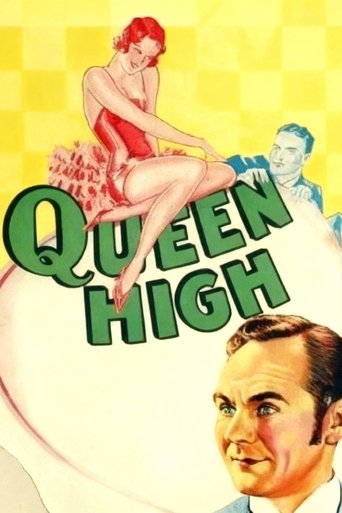
- Appeared in Queen High (1930), an early talkie that reflects his quick adaptation to sound-era dialogue comedy
- Worked steadily through the 1930s and 1940s in films for the major studios, often as a scene-stealing supporting player opposite top-billed stars
- Expanded his career beyond film into stage work and later television, demonstrating notable durability across changing entertainment eras
- Remained one of Hollywood's best-known comic character actors, with a reputation for elegant timing and expressive reactions
Roles
- Flustered comic gentleman
- A vain but lovable socialite
- The exasperated husband or suitor
- The pompous official or businessman
- The befuddled upper-class misfit
Films
- Queen High (1930)
- Bringing Up Father (1930)
- Murder on the Blackboard (1934)
- Ruggles of Red Gap (1935)
- The Phantom of Crestwood (1932)
- The Bride Comes Home (1935)
- Tovarich (1937)
- Too Many Girls (1940)
Awards
- Honorary Academy Award nomination not documented
- No major competitive Academy Award wins are widely documented
Nominations
- Academy Award nomination records do not show a widely cited nomination for Charles Ruggles
Honors
- Hollywood Walk of Fame star
Collaborators
- W. S. Van Dyke
- Howard Hawks
- William A. Seiter
- Marion Davies
- Charlie Ruggles worked frequently in ensemble casts with leading comedic and musical performers of the studio era
Studios
- Paramount Pictures
- Warner Bros.
- Metro-Goldwyn-Mayer
- 20th Century-Fox
- Universal Pictures
Family
- Lillian Ruggles (marriage date not widely verified)
- Marjorie C. Ruggles (marriage date not widely verified)
Notes
- He was born in Pasadena, California, making him one of the notable early Hollywood figures native to the region.
- He was especially adept at playing comic roles that involved social embarrassment, bluster, or baffled outrage.
- His film career extended across the transition from silent pictures to sound, a period in which many actors struggled to adapt.
- He appeared in Queen High (1930), a title that fits well with his early talkie-era comic image.
- He became a familiar face in studio-era ensembles, often stealing scenes with only a few lines or reactions.
- He was associated with the kind of polished, upper-middle-class or upper-class comedy that became popular in the 1930s.
- He remained active long enough to appear in later films and television productions after the classic studio period.
- His name is often remembered by classic film fans for the distinctive comic quality of his voice and mannerisms.
Quotes
No reliably sourced famous quotes from Charles Ruggles are widely documented in standard classic-cinema references.
Questions
Who was Charles Ruggles?
Charles Ruggles was an American actor best known for his comic character roles in classic Hollywood films. He became especially popular in the 1930s and 1940s for playing flustered, vain, or exasperated gentlemen with sharp timing and memorable facial expressions.
What films is Charles Ruggles best known for?
He is especially remembered for Queen High (1930), Ruggles of Red Gap (1935), Too Many Girls (1940), and other studio-era comedies and musicals. His filmography also includes many supporting roles that showcased his skill as a scene-stealing character actor.
When was Charles Ruggles born and when did he die?
Charles Ruggles was born on February 2, 1886, in Pasadena, California, USA. He died on December 23, 1970, after a long career spanning stage, film, and television.
What awards did Charles Ruggles win?
He is not widely documented as a major competitive Academy Award winner, and standard classic-film references do not prominently list major film awards for him. His lasting recognition comes more from his prolific career, his memorable performances, and his Hollywood Walk of Fame star.
What was Charles Ruggles's acting style?
Ruggles specialized in precise comic timing, expressive reactions, and a polished style of dialogue delivery. He often played dignified men whose vanity or composure was undermined by confusion, embarrassment, or frustration, making him especially effective in sophisticated comedy.
What is Charles Ruggles's legacy in film history?
His legacy is that of one of Hollywood's great supporting comedians, an actor who could enrich a film in just a few scenes. He helped define the comic gentleman type in studio-era cinema and remains a favorite among classic film enthusiasts for his distinctive presence.