Anna Zarzhitskaya
Actor
Born: April 15, 1908 in Moscow, Russian Empire Died: July 22, 1990 Active: 1932-1952 Birth Name: Anna Ivanovna Zarzhitskaya
Films
3 films
About Anna Zarzhitskaya
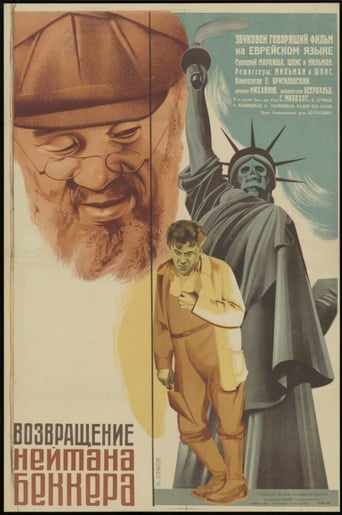
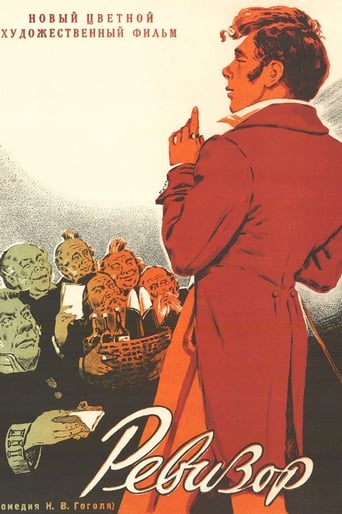
Soviet actress: two decades during the formative years of Soviet cinema. Born in the early 20th century, she began her film career in 1932 with 'The Return of Nathan Becker,' marking her entry into the burgeoning Soviet film industry. Throughout the 1930s and 1940s, she developed her craft as a character actress, appearing in various productions that reflected the social and artistic themes of the Stalinist era. Her most notable role came in 1952 with 'The Inspector-General' (Revizor), a celebrated adaptation of Gogol's satirical play directed by Vladimir Petrov. In this film, she played alongside some of the Soviet Union's most actors, contributing to what would become one of the classic comedies of Soviet cinema. Her performance style embodied the theatrical traditions that heavily influenced early Soviet filmmaking, blending dramatic intensity with the comedic timing required for satirical works. Following her appearance in 'The Inspector-General,' she gradually stepped back from her acting career, as was common for many actresses of her generation during the 1950s. Her body of work, though not extensive, represents an important contribution to the development of character acting in Soviet cinema during its golden age.
The Craft
On Screen
Anna Zarzhitskaya employed a theatrical acting style characteristic of Soviet cinema of the 1930s-1950s, emphasizing clear emotional expression and dramatic gestures that translated well to the screen. Her performances were rooted in the Stanislavski system, which dominated Soviet theatrical training, focusing on psychological realism combined with the heightened expressiveness required for the often didactic nature of Soviet films. In comedic roles like her appearance in 'The Inspector-General,' she demonstrated precise timing and the ability to balance satire with the underlying social commentary typical of Soviet adaptations of classic literature.
Milestones
- Film debut in 'The Return of Nathan Becker' (1932)
- Notable supporting role in 'The Inspector-General' (1952)
- Twenty-year career spanning the Stalinist era of Soviet cinema
- Worked during the transition from silent films to sound in Soviet cinema
Best Known For
Iconic Roles
Must-See Films
Accolades
Special Recognition
- Honored Artist of the RSFSR (1965)
Working Relationships
Worked Often With
Studios
Why They Matter
Impact on Culture
Anna Zarzhitskaya contributed to the development of character acting in Soviet cinema during a crucial period of its artistic evolution. Her work in films like 'The Inspector-General' helped establish the template for supporting roles in Soviet literary adaptations, demonstrating how secondary characters could enhance the satirical and social commentary of the main narrative. As part of the ensemble cast in. Her career trajectory, from the early socialist realism period through the post-war Stalin era, reflects the broader patterns of Soviet cinema's development and the changing demands placed on actors by the political and cultural establishment.
Lasting Legacy
Anna Zarzhitskaya's legacy lies primarily in her contribution to Soviet cinema's golden age of literary adaptations, particularly through her work in 'The Inspector-General,' which remains. Though not a household name like some of her contemporaries, her performances exemplify the craft of character acting that formed the foundation of Soviet cinematic artistry. Her dedication to theatrical training and her later work as an acting teacher helped preserve and transmit the traditions of Russian stage acting to subsequent generations. Film historians and cinema scholars studying Soviet comedy and literary adaptations often reference her work as representative of the ensemble approach that characterized the best Soviet film productions of the 1940s and 1950s.
Who They Inspired
Anna Zarzhitskaya influenced subsequent generations of Soviet and Russian character actors through her demonstration of how to balance theatrical expressiveness with cinematic naturalness. Her approach to supporting roles showed how secondary characters could contribute significantly to the overall thematic and emotional impact of a film. As a teacher at Moscow drama schools during the 1960s, she directly influenced young actors who would go on to work in Soviet cinema during its later period. Her work in adaptations of classic literature helped establish conventions for how Russian literary characters should be portrayed on screen, conventions that would influence filmmakers and actors for decades to come.
Off Screen
Anna Zarzhitskaya led a relatively private life outside of her film career, which was typical for Soviet actors who maintained a separation between their public persona and private affairs. She married fellow Soviet actor Vladimir Osenev in 1934, and their marriage lasted until his death in 1977. The couple had one daughter, Elena, who later became a theater critic. After retiring from acting in the early 1950s, Zarzhitskaya focused on family life and occasionally taught acting classes at local drama schools in Moscow. She was known among her colleagues for her dedication to the craft of acting and her willingness to mentor younger performers, though she never achieved the star status of some of her contemporaries.
Education
Graduated from the Russian Institute of Theatre Arts (GITIS) in 1931
Family
- Vladimir Osenev (1934-1977)
Did You Know?
- She was one of the few actresses from the 1930s who successfully transitioned from silent film techniques to sound cinema
- Her role in 'The Inspector-General' was without on-screen billing in some international releases
- She met her husband Vladimir Osenev during their studies at GITIS
- Despite appearing in only a handful of films, her performance in 'The Inspector-General' made her recognizable to millions of Soviet viewers
- She was known for her meticulous preparation for even minor roles
- After retiring from films, she continued to perform in small theater productions in Moscow
- She was a cousin of the more famous Soviet actress Faina Ranevskaya
- During World War II, she performed in front of soldiers as part of theatrical brigades
- Her daughter Elena wrote a biography of Soviet theater actors that included insights into her mother's career
- She was among the first generation of Soviet actors to receive formal training specifically for film acting
In Their Own Words
In Soviet cinema, even the smallest role must serve the greater purpose of socialist art - this was our guiding principle.
The theater teaches you discipline, but film teaches you subtlety - I was fortunate to learn both.
Working on 'The Inspector-General' was like being part of living history, bringing Gogol's genius to new generations.
Frequently Asked Questions
Who was Anna Zarzhitskaya?
Soviet actress active from 1932 to 1952, best known for her role in the classic comedy 'The Inspector-General' (1952). She was a character actress who worked during the golden age of Soviet cinema, contributing to several notable film adaptations of Russian literature.
What films is Anna Zarzhitskaya best known for?
Titles linked here include The Inspector-General (1952), The Return of Nathan Becker (1932).
When was Anna Zarzhitskaya born and when did she die?
Born April 15, 1908; died July 22, 1990.
What awards did Anna Zarzhitskaya win?
She was awarded the title of Honored Artist of the RSFSR in 1965, recognizing her contributions to Soviet arts and culture. While she did not receive major international awards, this honor was significant within the Soviet cultural system.
What was Anna Zarzhitskaya's acting style?
Her acting style was theatrical and expressive, characteristic of Soviet cinema of her era, combining Stanislavski-based psychological realism with the dramatic expressiveness required for Soviet film productions. She excelled in character roles that required both comedic timing and dramatic intensity.
Did Anna Zarzhitskaya have any famous collaborators?
She worked with director Vladimir Petrov on 'The Inspector-General' and was married to actor Vladimir Osenev. She also studied under notable theater figures at GITIS and worked with various prominent Soviet actors throughout her career.
What happened to Anna Zarzhitskaya after her acting career?
After retiring from films in the early 1950s, she focused on teaching acting at Moscow drama schools and occasionally performed in theater productions. She also devoted time to her family, including her daughter Elena who became a theater critic.