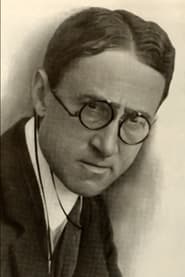
John Emerson
Director
Born: May 29, 1874 in Sandusky, Ohio, USA Died: March 7, 1956 Active: 1912-1920 (primary directing period) Birth Name: Clarence Emerson Kloss
Films
6 films
About John Emerson
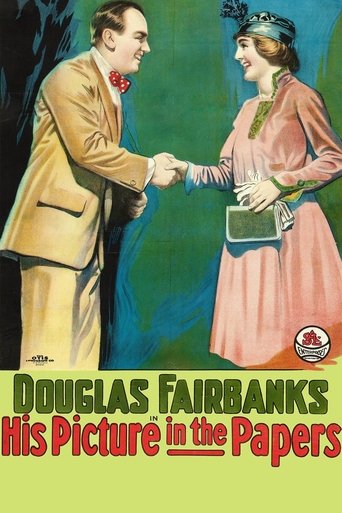
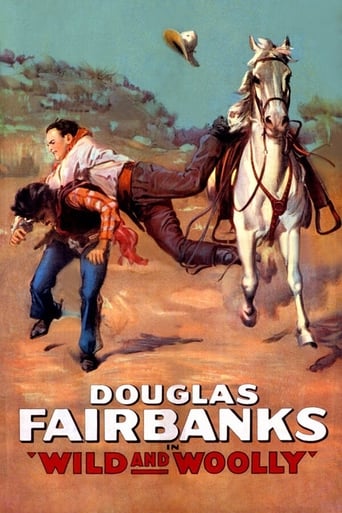
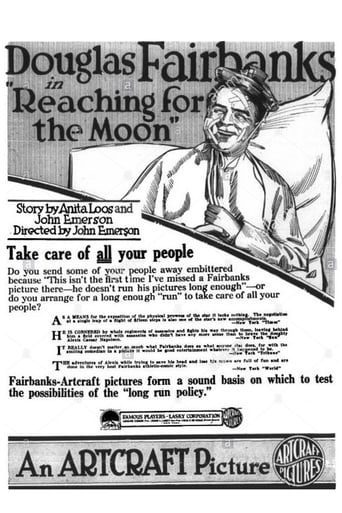
John Emerson, born Clarence Emerson Kloss, was a multifaceted figure in early Hollywood who made significant contributions as a director, actor, and screenwriter during the silent era. Beginning his career as a stage actor in the late 1890s, Emerson successfully transitioned to film in the early 1910s, initially acting before moving behind the camera. He rose to prominence as a director through his successful collaborations with Douglas Fairbanks, directing the swashbuckling star in several popular comedies and adventure films that helped establish Fairbanks as a major box office draw. His most notable directorial works include 'His Picture in the Papers' (1916) and 'Wild and Woolly' (1917), both starring Fairbanks, which showcased Emerson's talent for blending comedy with action and romance. In 1919, he married renowned screenwriter Anita Loos, and the couple often collaborated on projects, with Emerson sometimes contributing to screenwriting. While his directing career was relatively concentrated in the 1910s, Emerson continued working in the film industry in various capacities throughout the 1920s. After his film career diminished, he pursued other business interests and investments, demonstrating the versatility that characterized his professional life. Emerson passed away in Los Angeles in 1956, leaving behind a legacy as an important contributor to early American cinema.
The Craft
Behind the Camera
John Emerson's directing style was characterized by its energetic pace, physical comedy, and theatrical flair honed from his stage background. He favored dynamic camera movement and rapid editing techniques that were innovative for the time, creating a sense of excitement and momentum in his films. Emerson had a particular talent for showcasing Douglas Fairbanks' athletic abilities and charismatic screen presence, often incorporating elaborate stunt sequences and action set pieces. His approach blended slapstick comedy with romantic elements, creating films that appealed to broad audiences. Emerson's visual storytelling was influenced by theatrical staging but adapted effectively to the cinematic medium, with careful attention to composition and visual gags.
Milestones
- Directed Douglas Fairbanks in several hit films including 'His Picture in the Papers' and 'Wild and Woolly'
- Married renowned screenwriter Anita Loos in 1919
- Successfully transitioned from stage acting to film directing
- Helped establish Douglas Fairbanks as a major star through their collaborations
- Co-wrote screenplays with Anita Loos
- Worked with major studios including Fine Arts and Triangle
- Directed over 20 films during his career
Best Known For
Must-See Films
Accolades
Special Recognition
- Contributed to establishing Douglas Fairbanks as a major Hollywood star
- director in early American cinema
Working Relationships
Worked Often With
Studios
Why They Matter
Impact on Culture
John Emerson played a significant role in shaping early American cinema, particularly in the development of action-comedy as a genre. His collaborations with Douglas Fairbanks helped establish the template for the swashbuckling hero that would become a staple of Hollywood cinema. Through his energetic directing style and innovative use of physical comedy, Emerson contributed to the evolution of film language during the transitional period from short films to feature-length productions. His partnership with Anita Loos represented one of early Hollywood's most successful creative collaborations, demonstrating the potential of husband-wife creative teams in the industry. Emerson's work helped establish the star system in Hollywood, particularly in showcasing how a charismatic actor like Fairbanks could become a box office draw through carefully crafted vehicles.
Lasting Legacy
John Emerson's legacy in film history is primarily preserved through the Douglas Fairbanks films he directed, which remain important examples of early American comedy and action cinema. While his name may not be as widely recognized as some of his contemporaries, his influence on the development of the action-comedy genre and his role in establishing Fairbanks as a major star cannot be overstated. The films he directed, particularly 'His Picture in the Papers' and 'Wild and Woolly,' continue to be studied by film historians as important examples of silent-era filmmaking techniques and storytelling. His marriage to Anita Loos and their professional partnership also represents an important chapter in Hollywood history, highlighting the significant contributions of creative partnerships in early cinema.
Who They Inspired
Emerson influenced subsequent generations of action-comedy directors through his innovative blending of physical stunts, comedy, and romantic elements. His work with Douglas Fairbanks helped establish the archetype of the athletic, charming action hero that would be emulated by stars like Errol Flynn and later action heroes. The pacing and visual energy of his films influenced the development of American comedy cinema, particularly in the use of physical gags and rapid-fire storytelling. While not directly mentoring many directors, his techniques and approaches were observed and incorporated by other filmmakers working in the comedy and action genres during the silent era and beyond.
Off Screen
John Emerson was married to Anita Loos, one of Hollywood's most celebrated screenwriters, in 1919. Their marriage was both personal and professional, as they often collaborated on film projects, with Emerson sometimes contributing to Loos's screenplays. The couple remained married until Emerson's death in 1956, spanning 37 years. Prior to his marriage to Loos, Emerson had been married to actress Irene H. Greene from 1912 until their divorce in 1918. Beyond his film career, Emerson was known for his business acumen and made several successful investments. He maintained friendships with many prominent figures in early Hollywood and was respected for his versatility across multiple aspects of filmmaking.
Education
Limited formal education; primarily trained through theater experience and practical film industry experience
Family
- Irene H. Greene (1912-1918)
- Anita Loos (1919-1956)
Did You Know?
- Born Clarence Emerson Kloss but used John Emerson professionally
- Began his career as a stage actor before transitioning to films
- Directed more films starring Douglas Fairbanks than any other director during Fairbanks' early career
- Was married to Anita Loos for 37 years until his death
- Sometimes contributed to screenwriting, often collaborating with his wife
- Made a successful transition from acting to directing relatively early in his film career
- His films often featured elaborate stunts and action sequences
- Worked during a pivotal period when Hollywood was establishing itself as the center of American film production
- After his directing career ended, he remained involved in the film industry through other capacities
- Was known for his business savvy and made several successful investments outside of film
Frequently Asked Questions
Who was John Emerson?
American on YTB.my. He was married to renowned screenwriter Anita Loos and contributed significantly to early American cinema.
What films is John Emerson best known for?
Titles linked here include His Picture in the Papers (1916), Wild and Woolly (1917).
When was John Emerson born and when did he die?
Born May 29, 1874; died March 7, 1956.
What awards did John Emerson win?
John Emerson did not receive major formal awards during his career, as he worked primarily in the 1910s before many of Hollywood's major award institutions were established. His recognition comes from his significant contributions to early cinema and his role in establishing Douglas Fairbanks as a star.
What was John Emerson's directing style?
Emerson's directing style was characterized by energetic pacing, physical comedy, and theatrical flair influenced by his stage background. He favored dynamic camera movement, rapid editing, and innovative action sequences that showcased Douglas Fairbanks' athletic abilities, creating films that blended comedy, romance, and adventure.