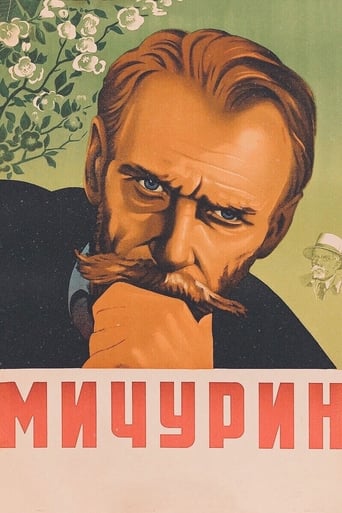
Films
2 films

About Fyodor Grigoryev
Soviet actor active in the late 1940s and early 1950s — known for his appearances in two notable films of the era. His career appears to have been relatively brief, spanning from 1948 to 1951, during which he worked in the Soviet film industry. Grigoryev's performances in 'Life in Bloom' (1948) and 'Truth is Good, But Happiness is Better' (1951) represent his documented filmography, suggesting he may have been a character actor or supporting performer rather than a leading star. Limited information is available about his broader career trajectory, training, or personal background, which was not uncommon for many Soviet-era actors whose careers were not extensively documented in Western film archives.
The Craft
Milestones
- Appeared in 'Life in Bloom' (1948)
- Appeared in 'Truth is Good, But Happiness is Better' (1951)
Best Known For
Must-See Films
Working Relationships
Studios
Why They Matter
Impact on Culture
As a Soviet actor from the post-war period, Fyodor Grigoryev contributed to the cultural landscape of Soviet cinema during a time when the film industry was rebuilding and evolving after World War II. His participation in films during this era reflects the broader cultural production of Soviet society, which used cinema as both entertainment and ideological tool. While his individual impact may not be widely documented in international film scholarship, his work represents the collective efforts of actors who helped shape Soviet cinema during this pivotal period.
Lasting Legacy
Fyodor Grigoryev's legacy is preserved through his film appearances in the late 1940s and early 1950s, representing a specific period in Soviet cinematic history. While detailed documentation of his career and influence may be limited, his contributions to the films in which he appeared remain part of the historical record of Soviet cinema. His work shows the many actors who contributed to the international film history, even when their individual stories were not extensively documented beyond their native film industries.
Who They Inspired
Limited documentation is available regarding Fyodor Grigoryev's specific influence on other actors or filmmakers, which was not uncommon for supporting actors in the Soviet film system whose careers and impacts were not extensively chronicled in Western film literature.
Off Screen
Limited information is available about Fyodor Grigoryev's personal life, which was common for many Soviet-era supporting actors whose biographical details were not extensively documented in international film archives.
Did You Know?
- Appeared in two films during the early post-war Soviet cinema period
- Active during the Stalin era of Soviet filmmaking
- Film active years covered only three years (1948-1951)
- Both documented films have titles reflecting Soviet cultural values
- Representative of the many character actors who contributed to Soviet cinema without achieving international recognition
Frequently Asked Questions
Who was Fyodor Grigoryev?
Screen credits include two films during the late 1940s and early 1950s, known for his roles in 'Life in Bloom' (1948) and 'Truth is Good, But Happiness is Better' (1951). His career was relatively brief, spanning from 1948 to 1951.
What films is Fyodor Grigoryev best known for?
Titles linked here include Life in Bloom (1948), Truth is Good, But Happiness is Better (1951).
When was Fyodor Grigoryev born and when did he die?
Specific birth and death dates for Fyodor Grigoryev are not documented in available film archives, which was not uncommon for Soviet supporting actors whose biographical details were not extensively recorded in international film databases.
What awards did Fyodor Grigoryev win?
There is no documented record of Fyodor Grigoryev receiving major film awards or honors, which was typical for many character actors in Soviet cinema whose contributions were recognized primarily through their work rather than formal accolades.
What was Fyodor Grigoryev's acting style?
Limited documentation exists regarding Fyodor Grigoryev's specific acting style or techniques, as detailed analysis of his performances and artistic approach was not preserved in available film archives or scholarly literature about Soviet cinema.