Films
3 films
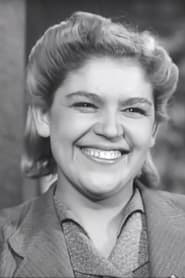
About Nina Petropavlovskaya
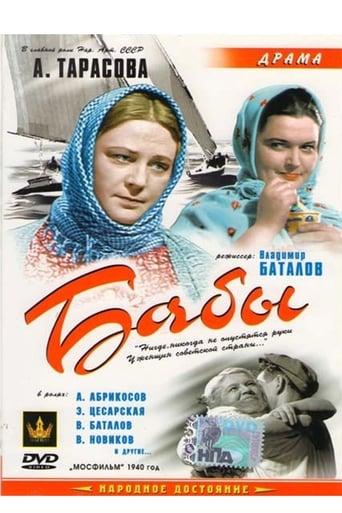
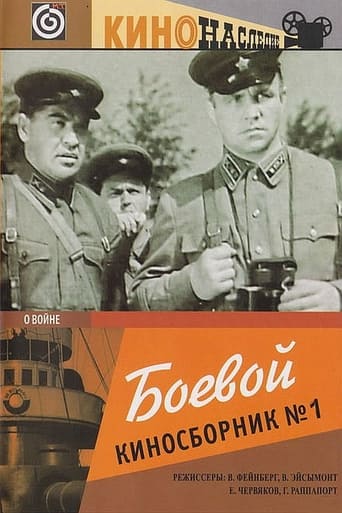
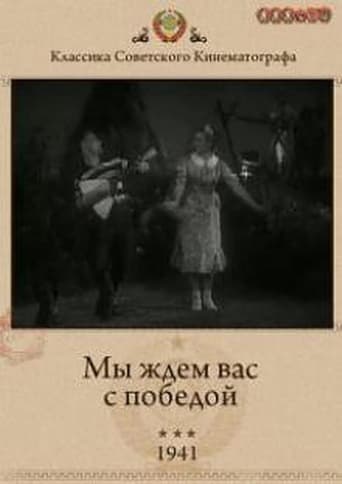
Soviet actress: career was tragically brief but significant during a pivotal moment in Soviet cinema history. Emerging in the early 1940s, her work coincided with the Great Patriotic War, and her filmography reflects the era's patriotic and propagandistic tone. She made her mark in films designed to boost morale and support the war effort, with her most notable role being in the 1940 drama 'Peasant Women' (Krestyanki), which showcased the strength and resilience of Soviet women. Her subsequent films, such as the wartime anthology 'Collection of Films for the Armed Forces #1' and 'We Await Your Victorious Return' in 1941, were directly created for soldiers and the home front. Despite her limited time in the spotlight, Petropavlovskaya's performances captured the stoic and determined spirit of her characters, embodying the idealized Soviet citizen. Her career appears to have been confined to this intense two-year period, after which she seemingly vanished from the public eye and film records, making her a somewhat enigmatic figure of wartime Soviet cinema. Her legacy remains tied to these specific, historically significant productions that served a crucial function during one of the nation's most challenging times.
The Craft
On Screen
Nina Petropavlovskaya's acting style was characteristic of the Socialist Realist aesthetic prevalent in Soviet cinema of the era. Her performances were likely grounded in a direct, earnest, and emotionally accessible approach, designed to be easily understood and relatable for a mass audience. She embodied the archetype of the strong, resilient, and loyal Soviet woman, projecting an image of unwavering resolve and optimism in the face of adversity. Her style eschewed complex psychological ambiguity in favor of clear, heroic characterizations that served the ideological and narrative goals of wartime propaganda.
Milestones
- Debut and leading role in 'Peasant Women' (1940)
- Appearing in the wartime anthology 'Collection of Films for the Armed Forces #1' (1941)
- Starring in the morale-boosting film 'We Await Your Victorious Return' (1941)
Best Known For
Iconic Roles
Must-See Films
Working Relationships
Studios
Why They Matter
Impact on Culture
Nina Petropavlovskaya's cultural impact is intrinsically linked to the specific context of the Soviet Union during World War II. While not a household name like some of her contemporaries, her work contributed to the massive state-sponsored effort to use cinema as a tool for morale and ideological reinforcement. Her films were part of a cultural front that helped sustain the Soviet population's spirit and resolve. By portraying idealized characters of strength and patriotism, she participated in shaping the wartime narrative of national unity and sacrifice. Her performances serve as a historical artifact, offering a glimpse into the cinematic culture and societal values of the Soviet home front during its darkest hours.
Lasting Legacy
The legacy of Nina Petropavlovskaya is that of a representative actress of her time, a window into the function and form of Soviet wartime cinema. Her brief filmography provides valuable material for film historians studying the Socialist Realist style and the role of propaganda in film. While she did not leave a lasting mark as an individual star, her work endures as part of a collective cinematic effort that documented and influenced a critical period in 20th-century history. Her story highlights the transient nature of fame for many actors whose careers were shaped by extraordinary historical circumstances.
Who They Inspired
Given her brief career and the specific, utilitarian nature of her films, there is no documented evidence of Nina Petropavlovskaya directly influencing other actors or directors. Her influence is more accurately understood as part of the broader influence of the Socialist Realist film industry itself, which shaped generations of Soviet filmmakers and performers. She contributed to a cinematic language and set of character archetypes that were pervasive in Soviet culture for decades, even if her individual contribution was not singled out or widely recognized.
Off Screen
Very little is documented about the personal life of Nina Petropavlovskaya, as she was not a major star whose life was widely publicized. Her career was exceptionally short and occurred during a period of immense upheaval, which may account for the scarcity of biographical information. Details about her family, relationships, or life outside of her brief film career are not readily available in historical or cinematic records.
Did You Know?
- Her entire known filmography consists of only three films, all released within a two-year span.
- All of her known film work is directly related to the Soviet war effort, either through themes of rural strength or as content specifically created for the armed forces.
- The 1941 film 'Collection of Films for the Armed Forces #1' was an anthology, meaning her role was likely a short segment within a larger compilation.
- Her career began and ended during the Great Patriotic War (World War II), a period that drastically altered the Soviet film industry.
- Information about her life after 1941 is non-existent in public records, making her post-war life a complete mystery.
- She worked primarily with the Soyuzdetfilm studio, which was originally focused on children's films but shifted its focus to patriotic material during the war.
- Her films are rarely seen outside of specialized film archives and retrospectives dedicated to Soviet cinema.
Frequently Asked Questions
Who was Nina Petropavlovskaya?
Soviet actress active in the early 1940s, known for a brief but significant film career centered on roles in wartime propaganda films. Her work, including 'Peasant Women' (1940), embodied the ideals of Soviet strength and resilience during the Great Patriotic War.
What films is Nina Petropavlovskaya best known for?
Titles linked here include Peasant Women (1940), Collection of Films for the Armed Forces #1 (1941).
When was Nina Petropavlovskaya born and when did she die?
Born 1917; died death date not listed.
What awards did Nina Petropavlovskaya win?
There are no records of Nina Petropavlovskaya receiving any major film awards or nominations. Her career was too short and her films were primarily functional, serving a propaganda purpose rather than seeking artistic accolades.
What was Nina Petropavlovskaya's acting style?
Her acting style was in line with the Socialist Realist school, characterized by earnestness, emotional clarity, and a focus on portraying heroic, idealized Soviet citizens. She projected strength and patriotism, making her characters relatable and inspiring for wartime audiences.
Why is so little known about her life?
Information is scarce because she was not a major star and her career was extremely short, coinciding with the turmoil of World War II. Many records from that period are incomplete, and actors who did not achieve lasting fame often have undocumented personal histories.