Lev Ivanov
Actor
Born: 1900 in Moscow, Russian Empire Active: 1929-1947 Birth Name: Lev Ivanovich Ivanov
Films
4 films
About Lev Ivanov
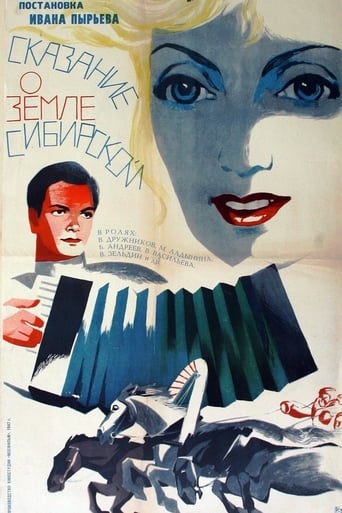
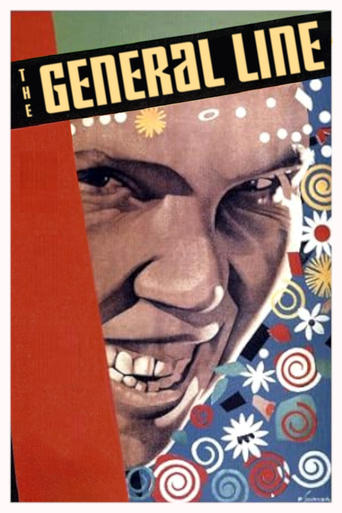
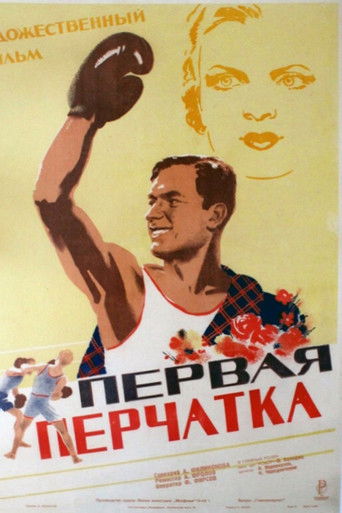
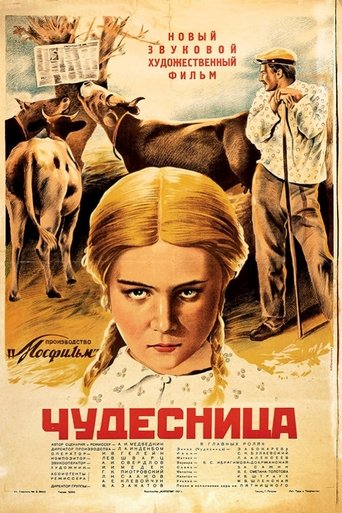
Prominent Soviet actor: the pivotal transition from silent cinema to sound films during the early decades of the Soviet film industry. Born in the Russian Empire, Ivanov began his acting career in the 1920s, appearing in Sergei Eisenstein's influential silent film 'The General Line' (1929), which showcased his ability to convey complex emotions through the physical acting style required in silent cinema. Throughout the 1930s and 1940s, he established himself as a reliable character actor in Soviet cinema, appearing in both dramatic and propaganda films that reflected the cultural and political priorities of the Stalin era. His performances in films like 'The Miracle Worker' (1936) demonstrated his versatility in adapting to the new challenges of sound cinema while maintaining the expressive techniques honed during the silent period. Ivanov's career continued through World War II and into the post-war period, with notable roles in 'The Winner' (1946) and 'Tale of the Siberian Land' (1947), which cemented his reputation as a respected supporting actor in the Soviet film establishment. His filmography, while not extensive, represents a significant cross-section of Soviet cinema's development during its formative years, from the experimental avant-garde of the late 1920s to the more conventional socialist realism of the 1940s.
The Craft
On Screen
Ivanov's acting style was characteristic of the Soviet school of acting, which emphasized physical expressiveness and ideological clarity. His work in silent films demonstrated mastery of pantomime and exaggerated gestures necessary for conveying emotion without dialogue. As sound cinema emerged, he adapted his technique to incorporate naturalistic speech while maintaining the theatrical intensity valued in Soviet performance. His approach combined elements of Stanislavski's system with the demands of socialist realism, creating performances that were both emotionally authentic and ideologically appropriate.
Milestones
- Appeared in Sergei Eisenstein's 'The General Line' (1929)
- Successfully transitioned from silent to sound films
- Established career during Stalin's cultural regime
- Worked throughout World War II period
- Appeared in post-war Soviet cinema
Best Known For
Iconic Roles
Must-See Films
Accolades
Special Recognition
- Honored Artist of the RSFSR
Working Relationships
Worked Often With
Studios
Why They Matter
Impact on Culture
Lev Ivanov's career reflects the broader trajectory of Soviet cinema from its experimental beginnings to its more codified socialist realist phase. His participation in Eisenstein's 'The General Line' places him within. As an actor who successfully navigated the transition from silent to sound films during a period of intense political and cultural transformation, Ivanov represents the adaptability required of artists working under Soviet cultural policy. His body of work, while not widely known internationally, contributes to our understanding of how Soviet cinema developed its distinctive aesthetic and ideological character during its formative decades.
Lasting Legacy
Lev Ivanov's legacy lies primarily in his contribution to the development of Soviet cinema during its crucial early decades. His work in 'The General Line' ensures his place in film history as part of Eisenstein's revolutionary approach to cinematic storytelling. While not a major star, his consistent presence in Soviet films from the late 1920s through the 1940s demonstrates the importance of character actors in building the Soviet film industry's institutional and artistic foundation. His career shows the working actors who formed the backbone of Soviet cinema, adapting to changing technologies and political demands while maintaining their artistic integrity.
Who They Inspired
As a working actor rather than a director or major star, Lev Ivanov's direct influence on other filmmakers and actors is not well documented in historical sources. However, his participation in important Soviet films, particularly those of the montage school, would have contributed to the development of acting techniques specific to Soviet cinema. His ability to transition between silent and sound films while maintaining his career demonstrates a professional adaptability that likely served as a model for other actors navigating the same technological and political changes in the Soviet film industry.
Off Screen
Little detailed information is available about Lev Ivanov's personal life, which was common for many Soviet actors of his generation whose private details were often overshadowed by their public roles and contributions to Soviet cinema. As an actor working during the Stalin era, his life would have been subject to the political pressures and cultural constraints of the period, where artistic work was closely tied to ideological requirements.
Education
Likely attended theater or film school in Moscow during the 1920s, though specific educational details are not well documented in available sources
Did You Know?
- Appeared in Sergei Eisenstein's 'The General Line',
- Successfully navigated the transition from silent to sound films during a volatile period in Soviet cinema
- His active years covered from the avant-garde experimental period of late 1920s Soviet cinema to the more codified socialist realist period of the 1940s
- Worked during the Stalin era when cinema was heavily regulated and used for propaganda purposes
- His filmography includes both artistic/experimental films and more conventional socialist realist productions
- The exact details of his life and career are not well documented in English-language sources
- Like many Soviet actors of his generation, his contributions were often overshadowed by the directors he worked with
- His career demonstrates how Soviet actors adapted to changing political and aesthetic demands over two decades
Frequently Asked Questions
Who was Lev Ivanov?
Screen credits include several notable Soviet films including Sergei Eisenstein's 'The General Line'. He was a character actor who successfully transitioned from silent to sound cinema during a pivotal period in Soviet film history.
What films is Lev Ivanov best known for?
Titles linked here include The General Line (1929), The Miracle Worker (1936).
When was Lev Ivanov born and when did he die?
Born 1900; died death date not listed.
What awards did Lev Ivanov win?
While specific awards are not well documented in available sources, Ivanov was recognized as an Honored Artist of the RSFSR, a significant honor for Soviet cultural workers during his era.
What was Lev Ivanov's acting style?
Ivanov's acting style combined the physical expressiveness required for silent films with the naturalistic approach needed for sound cinema. His work reflected the Soviet school of acting, which emphasized ideological clarity alongside emotional authenticity within the framework of socialist realism.