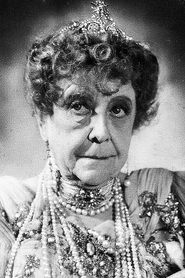
Adele Sandrock
Actor
Born: August 19, 1863 in Rotterdam, Netherlands Died: August 30, 1937 Active: 1880s-1937
Films
3 films
About Adele Sandrock
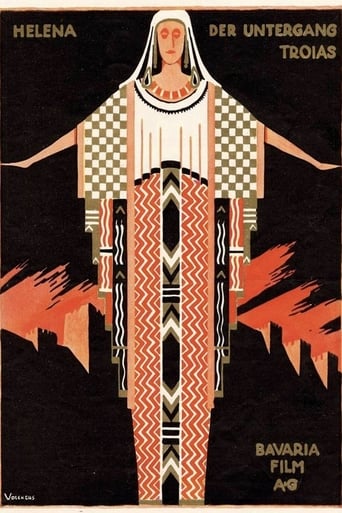
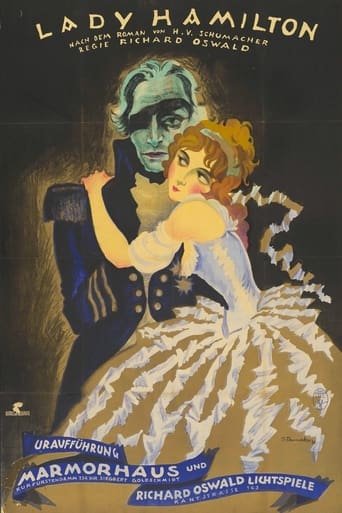
Adele Sandrock was born in Rotterdam to a German father and Dutch mother, moving to Berlin as a child where she began her remarkable career on the stage in the 1880s. She quickly became theater actresses in Germany, known for her powerful performances in both classical and contemporary plays. Sandrock transitioned to cinema during the silent film era, making her film debut in the 1910s and quickly establishing herself as a formidable character actress. Her international breakthrough came with roles in prestigious productions like Lady Hamilton (1921) and Helen of Troy (1924), where her commanding presence translated effectively to the screen. Despite her advancing age, she successfully made the transition to sound films, continuing to work prolifically until her death. Sandrock became particularly famous for playing strong, often domineering matriarchal figures, earning the nickname 'The Iron Lady' of German cinema. Her nearly five decades, making her enduring and respected actresses of her generation.
The Craft
On Screen
Known for her commanding stage presence and powerful voice, Sandrock specialized in portraying strong, authoritative women and domineering matriarchs. Her acting technique combined classical theatrical training with naturalistic emotion, allowing her to convey complex psychological states through subtle facial expressions and gestures. She had a distinctive deep voice that became even more valuable in sound films, and her ability to switch between comedy and drama made her incredibly versatile.
Milestones
- Stage debut at Burgtheater in Vienna
- Leading actress at Berlin's Deutsches Theater
- Successful transition from theater to silent film
- International recognition in Lady Hamilton (1921)
- Star role in Helen of Troy (1924)
- Successful transition to sound films
- Received State Film Prize for lifetime achievement
Best Known For
Iconic Roles
Must-See Films
Accolades
Won
- German State Film Prize (1937)
- Honorary Citizen of Berlin (1933)
- Goethe Medal for Art and Science (1932)
Nominated
- Venice Film Festival Best Actress (1934) for 'Der Herrscher'
Special Recognition
- Star on Berlin's Boulevard of Stars
- Multiple theaters named after her in Germany
- Postage stamp issued in her honor by German postal service
Working Relationships
Worked Often With
Studios
Why They Matter
Impact on Culture
Adele Sandrock significantly influenced German cinema by establishing a new archetype of the strong, independent female character at a time when most women's roles were submissive. Her success helped pave the way for other actresses to maintain careers well into middle age and beyond, challenging the industry's ageism. Sandrock's international films helped bridge German cinema with global audiences during the 1920s, contributing to the golden age of German film. Her theater background elevated the artistic standards of film acting, bringing classical training to the emerging medium.
Lasting Legacy
Adele Sandrock's legacy endures through her extensive filmography and the numerous theaters and cultural institutions bearing her name throughout Germany. She is remembered as a pioneer who demonstrated that women could maintain powerful, respected careers in entertainment well beyond youth. Her influence on German acting techniques continues to be studied in drama schools, and her films remain important examples of Weimar and early Nazi-era cinema. Sandrock's ability to adapt from stage to silent film to sound film makes her a unique figure in film history.
Who They Inspired
Sandrock influenced generations of German actresses through her powerful screen presence and technical mastery. Her approach to character development and her ability to convey authority without resorting to caricature became a model for actors playing similar roles. Contemporary German actresses cite her as an inspiration for maintaining dignity and artistic integrity in the entertainment industry. Her work with directors like Lubitsch helped establish new standards for film acting that influenced both German and international cinema.
Off Screen
Adele Sandrock never married and had no children, dedicating her entire life to her craft. She was known for her independent spirit and was one of the few women of her time to maintain complete financial and personal independence. Sandrock lived in Berlin for most of her adult life, maintaining a salon that became a gathering place for artists and intellectuals. Despite her fame, she remained private about her personal relationships, though she was known to have had a brief romantic involvement with playwright Arthur Schnitzler early in her career.
Education
Studied acting under renowned drama teachers in Vienna and Berlin, trained in classical theater at the Burgtheater acting school
Did You Know?
- Was nicknamed 'Die Sandrock' by German audiences, proof of her iconic status
- Spoke fluent German, Dutch, French, and English, which helped her international career
- Was one of the highest-paid actresses in Germany during the 1920s
- Continued performing until just weeks before her death at age 74
- Her distinctive deep voice made her particularly valuable in early sound films
- Was offered Hollywood contracts but chose to remain in Germany
- Published her memoirs in 1930, which became a bestseller
- Was a passionate advocate for actors' rights and helped establish early actors' unions
- Her performance in 'Der Herrscher' (1937) was her final film role, released posthumously
- Maintained a extensive collection of theatrical costumes and artifacts, now housed in a German museum
In Their Own Words
The stage is my home, but film is my window to the world
An actress never retires, she only changes her stage
Authority comes not from shouting, but from knowing who you are
In every role, I find a piece of myself, and in myself, I find every role
Frequently Asked Questions
Who was Adele Sandrock?
Renowned German-Dutch actress who had a career spanning nearly five decades, from the 1880s to 1937. She was celebrated for her powerful performances in both theater and film, particularly known for playing strong, authoritative female characters in German cinema's silent and early sound eras.
What films is Adele Sandrock best known for?
Titles linked here include Lady Hamilton (1921), Helen of Troy (1924).
When was Adele Sandrock born and when did she die?
Born August 19, 1863; died August 30, 1937.
What awards did Adele Sandrock win?
Sandrock received the German State Film Prize in 1937 for her lifetime achievement in cinema, the Goethe Medal for Art and Science in 1932, and was named an Honorary Citizen of Berlin in 1933. She was also nominated for Best Actress at the Venice Film Festival in 1934 for her role in 'Der Herrscher'.
What was Adele Sandrock's acting style?
Sandrock was known for her commanding presence and powerful performances, specializing in strong, authoritative women and matriarchal figures. Her acting combined classical theatrical training with naturalistic emotion, using her distinctive deep voice and subtle facial expressions to convey complex psychological states with remarkable versatility across comedy and drama.