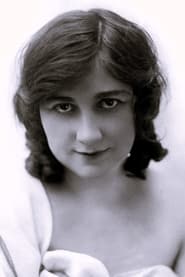
Mary Fuller
Actor
Born: October 5, 1888 in Washington, D.C., United States Died: December 9, 1973 Active: 1907-1917 Birth Name: Mary Claire Fuller
Films
7 films
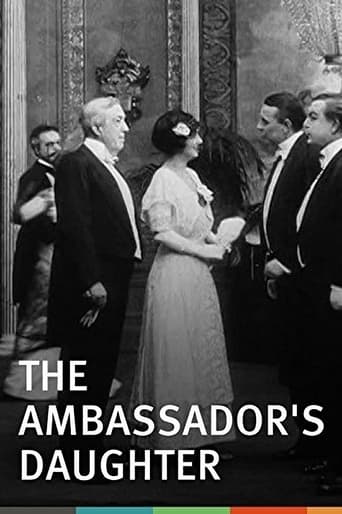
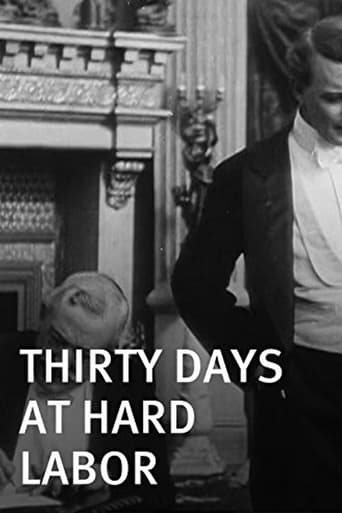
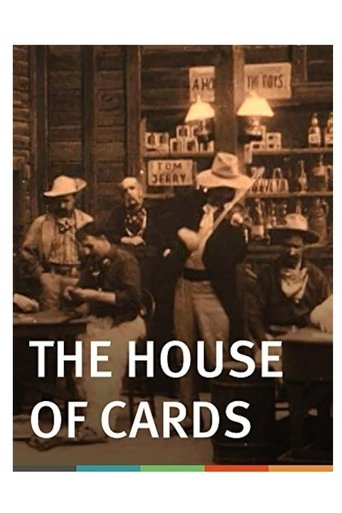
About Mary Fuller
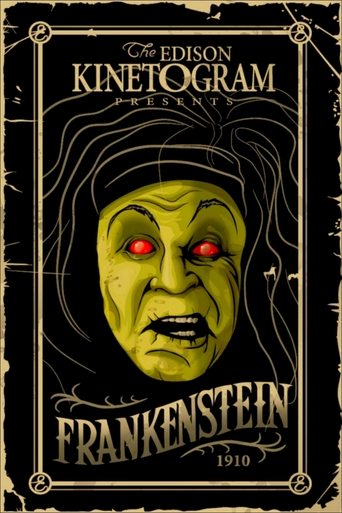
American actress who rose to prominence during the early silent film era, becoming one of the first true movie stars. Born in Washington, D.C., she began her career with Edison Studios in 1907 and quickly became one of their most valuable assets, starring in numerous short films. Fuller achieved particular fame for her role in the 1910 adaptation of Frankenstein, one of the earliest horror films ever made. Her expressive acting style and screen presence made her extremely popular with audiences, and she was known for playing strong, emotional characters in melodramas. At the height of her popularity around 1912-1913, she was earning the equivalent of millions in today's money and was considered one of the biggest stars in the industry. However, her career was relatively brief, as she retired from acting in 1917 at the age of 29, reportedly due to exhaustion and personal issues. Her later years were marked by tragedy, as she suffered from mental health problems and spent much of her adult life in institutions, largely forgotten by the industry she had helped build.
The Craft
On Screen
Fuller was known for her highly expressive and emotional acting style, typical of the melodramatic approach favored in early silent cinema. She utilized exaggerated facial expressions and body language to convey complex emotions to audiences without the benefit of dialogue. Her performances were characterized by intense emotional depth and a naturalistic quality that set her apart from many of her contemporaries.
Milestones
- Starred in the first film adaptation of Frankenstein (1910)
- Became one of Edison Studios' biggest stars
- Considered one of the first genuine movie stars
- Appeared in over 200 films during her career
- Was among the highest-paid actresses of her era
Best Known For
Iconic Roles
Must-See Films
Accolades
Special Recognition
- Pioneer of early cinema
- Recognized as one of the first film stars in history
Working Relationships
Worked Often With
Studios
Why They Matter
Impact on Culture
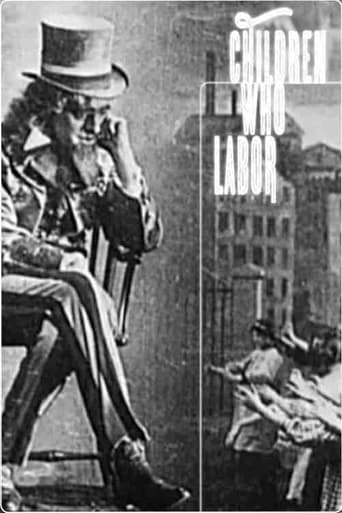
Mary Fuller played a significant role in establishing the star system in early Hollywood, being among the first actors to receive on-screen billing and develop a public following. Her success helped demonstrate that individual performers could become major attractions, paving the way for the star-driven film industry that would dominate Hollywood for decades. Her work in Frankenstein (1910) contributed to the development of the horror genre in cinema, and her advocacy films like Children Who Labor (1912) showed how movies could be used for social commentary and reform.
Lasting Legacy
Despite her enormous popularity during her career, Mary Fuller's legacy has been largely overshadowed by the passage of time and her early retirement. However, film historians recognize her as a crucial figure in early cinema history and one of the first true movie stars. Her surviving films, particularly Frankenstein (1910), remain important artifacts of early American cinema. Her story also serves as a cautionary tale about the fleeting nature of fame in the early film industry and the lack of support systems for performers in that era.
Who They Inspired
Fuller influenced subsequent generations of actresses by demonstrating that emotional depth and screen presence could create a lasting connection with audiences. Her success helped establish the template for the modern film star, showing that individual performers could drive box office success. Her work in dramatic roles helped elevate the artistic ambitions of early cinema, moving it beyond simple novelty to become a legitimate artistic medium capable of complex emotional storytelling.
Off Screen
Mary Fuller's personal life was marked by both early success and later tragedy. She never married and had no children. After retiring from films in 1917, she lived with her mother in Washington, D.C. For several years before experiencing mental health breakdowns. She spent considerable time in various institutions, including St. Elizabeths Hospital in Washington, D.C., where she lived for decades. Her family largely kept her isolated from the public eye, and she died in relative obscurity, with few people aware that this elderly woman had once been.
Education
Limited information available, but she received some formal education in Washington, D.C. Before entering show business
Did You Know?
- Was one of the first actors to receive on-screen credit in films
- Earned approximately $5,000 per week at her peak - equivalent to over $130,000 today
- Appeared in the first film version of Frankenstein, which ran only 16 minutes
- Was so popular that Edison Studios created a special series of 'Mary Fuller' films to capitalize on her fame
- Retired from acting at age 29, at the height of her popularity
- Spent over 40 years in mental institutions after her retirement
- Her films were so popular that they were distributed internationally
- Was known for performing her own stunts in action sequences
- Helped pioneer the 'star system' that would dominate Hollywood for decades
- Was one of the highest-paid women in America during her career peak
In Their Own Words
I have found that the motion picture is the most wonderful thing in the world for the expression of emotion
The screen is a place where dreams can become real, if only for a moment
To be able to make people feel something, even for just a few minutes, is the greatest gift an actor can have
Frequently Asked Questions
Who was Mary Fuller?
American actress who became one of the first major film stars during the silent era. She worked primarily with Edison Studios and was known for her emotional performances in melodramas, most famously starring in the 1910 film adaptation of Frankenstein.
What films is Mary Fuller best known for?
Titles linked here include Frankenstein (1910), A Modern Cinderella (1910).
When was Mary Fuller born and when did she die?
Born October 5, 1888; died December 9, 1973.
What awards did Mary Fuller win?
Mary Fuller did not receive formal awards during her career, as the award systems we know today did not exist in early cinema. However, she was recognized as.
What was Mary Fuller's acting style?
Mary Fuller was known for her highly expressive and emotional acting style, characterized by exaggerated facial expressions and body language typical of early silent cinema. She excelled at melodramatic roles and was praised for her ability to convey deep emotions to audiences without dialogue.
Why did Mary Fuller retire so early?
Mary Fuller retired from acting in 1917 at age 29, reportedly due to exhaustion from her intense work schedule and emerging mental health issues. Her early retirement marked the end of what had been.
What happened to Mary Fuller after she left films?
After retiring, Mary Fuller lived with her mother in Washington, D.C. Before experiencing mental health breakdowns. She spent much of her later life in institutions, including St. Elizabeths Hospital, and died in relative obscurity, largely forgotten by the public who had once adored her.