
Olaf Fønss
Actor
Born: October 17, 1882 in Aarhus, Denmark Died: March 24, 1949 Active: 1912-1925 Birth Name: Olaf Holger Fønss
Films
7 films

About Olaf Fønss
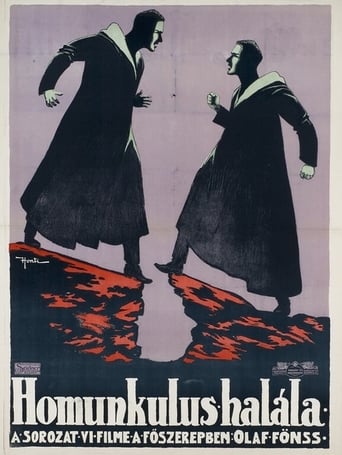
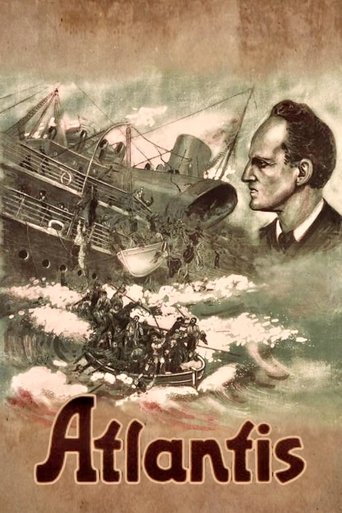
Danish silent film actor who rose to prominence during the golden age of Danish cinema in the 1910s. Beginning his career as a stage actor, he transitioned to film and quickly became one of Denmark's first true movie stars, known for his commanding presence and dramatic intensity. His breakthrough role came in 'Atlantis' (1913), one of the earliest full-length feature films, which brought him international recognition and established him as a leading man in European cinema. Fønss achieved particular fame for his title role in the German science fiction serial 'Homunculus' (1916), where he portrayed an artificial man, showcasing his ability to embody complex, otherworldly characters. Throughout his career, he worked with prominent directors including August Blom and Joe May, appearing in landmark productions that helped shape early cinematic language. By the early 1920s, as his film career waned, Fønss returned to his theatrical roots, eventually becoming a respected theater director in Denmark. His contributions to early European cinema, particularly during the innovative silent era, cement his place as an important figure in film history.
The Craft
On Screen
Fønss was known for his theatrical yet nuanced acting style typical of the silent era, characterized by expressive facial gestures and dramatic body language that effectively conveyed emotion without dialogue. His performances combined the grandiosity of stage acting with the intimacy required for close-up shots, making him particularly effective in roles requiring emotional depth and psychological complexity. He had a commanding screen presence and was especially adept at portraying tormented, intellectual, or otherworldly characters.
Milestones
- Starred in 'Atlantis' (1913), one of cinema's first feature films
- Played the title role in 'Homunculus' (1916), an influential German science fiction serial
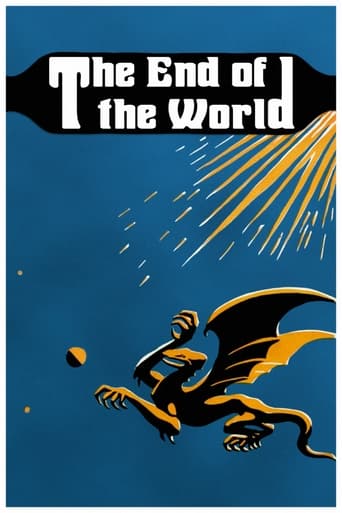
- Appeared in 'The End of the World' (1916), a major Danish production
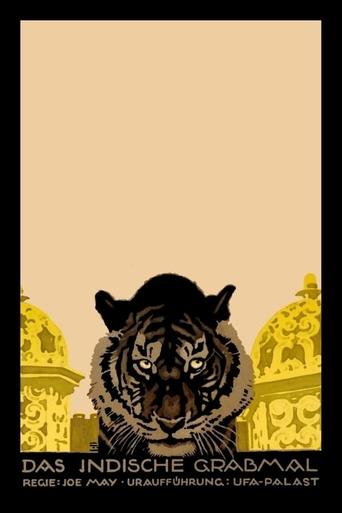
- Starred in 'The Indian Tomb' (1921) directed by Joe May
- Became one of Denmark's first international film stars
- Transitioned successfully to theater direction in later career
Best Known For
Iconic Roles
Must-See Films
Accolades
Special Recognition
- Recognized as one of Denmark's film actors
- Honored in Danish film history archives for contributions to early cinema
Working Relationships
Worked Often With
Studios
Why They Matter
Impact on Culture
Olaf Fønss played a significant role in establishing Danish cinema as an international force during the silent era, helping demonstrate that European films could compete globally with American productions. His work in 'Atlantis' was particularly groundbreaking, as it was one of the first feature-length films to achieve worldwide distribution and critical success, paving the way for longer narrative films. Fønss's performances in German productions like 'Homunculus' also contributed to the early development of science fiction cinema, influencing later works in the genre. As one of the first Danish actors to achieve international stardom, he helped create a template for Scandinavian actors working in international co-productions.
Lasting Legacy
Olaf Fønss's legacy endures as a foundational figure in Danish and European cinema history, representing the transition from theatrical to film acting in the early 20th century. His performances in landmark silent films continue to be studied by film historians as examples of early cinematic acting techniques and the evolution of film language. The preservation of his films, particularly 'Atlantis' and 'Homunculus', has provided valuable insights into early 20th-century filmmaking practices and storytelling methods. His career trajectory from film star to theater director also illustrates the interconnected nature of performing arts in early 20th-century Europe and the challenges faced by silent film actors with the advent of sound.
Who They Inspired
Fønss influenced subsequent generations of Danish actors through his demonstration that Scandinavian performers could achieve international recognition while maintaining their cultural identity. His work in German-Danish co-productions helped establish patterns for international film collaboration that would become increasingly important in European cinema. His portrayal of complex, often tormented characters in silent films contributed to the development of psychological depth in cinematic acting, moving beyond the simplistic melodrama that characterized much early film performance. His successful transition to theater direction also provided a model for film actors seeking to extend their careers beyond the limitations of any single medium.
Off Screen
Olaf Fønss came from a family with artistic inclinations, with his brother Johannes Fønss also becoming a notable actor. He married actress Ellen Diedrich in 1915, forming one of Denmark's prominent theatrical couples of the era. After his film career diminished in the 1920s, Fønss successfully transitioned to theater management and direction, becoming the head of the Aarhus Theatre from 1928-1932. He spent his later years in Copenhagen, remaining connected to the Danish cultural scene until his death in 1949 at the age of 66.
Education
Trained in theater and acting at Danish theatrical institutions, though specific educational details are not extensively documented
Family
- Ellen Diedrich (1915-1949)
Did You Know?
- Was one of the first Danish actors to achieve international stardom
- His brother Johannes Fønss was also a prominent actor
- 'Atlantis' (1913) was one of the first Danish films to be banned in the United States due to its controversial themes
- The 'Homunculus' serial was so popular it spawned multiple sequels
- Fønss was particularly tall for his era, which contributed to his commanding screen presence
- He spoke multiple languages, which helped in his international film career
- After leaving film, he became a successful theater director in Aarhus
- Many of his films have been lost, a common fate for early silent cinema
- His performance in 'Homunculus' influenced later portrayals of artificial humans in science fiction
- He was considered one of the highest-paid actors in Scandinavia during his peak years
In Their Own Words
The camera demands truth, even in fantasy
In silence, the actor's face becomes the voice of the soul
We are pioneers in a new art form, and we must be bold in our experiments
Frequently Asked Questions
Who was Olaf Fønss?
Danish silent film with credits in this catalog. He was known for his roles in landmark early films like 'Atlantis' (1913) and 'Homunculus' (1916), and later became a theater director.
What films is Olaf Fønss best known for?
Titles linked here include Atlantis (1913), Homunculus (1916).
When was Olaf Fønss born and when did he die?
Born October 17, 1882; died March 24, 1949.
What awards did Olaf Fønss win?
While formal awards were not common during the silent era, Fønss received significant recognition as one of Denmark's film actors. His contributions are honored in Danish film history archives, though he did not receive modern-style awards during his lifetime.
What was Olaf Fønss's acting style?
Fønss employed a theatrical yet nuanced style typical of the silent era, characterized by expressive facial gestures and dramatic body language. He was particularly effective at conveying complex emotions and psychological depth, excelling in roles of tormented or otherworldly characters.
How did Olaf Fønss influence cinema?
Fønss helped establish Danish cinema internationally through his work in early feature films and international co-productions. His performances in films like 'Homunculus' contributed to early science fiction cinema, and his career demonstrated the potential for Scandinavian actors to achieve global recognition.
Did Olaf Fønss work in sound films?
No, Fønss's film career ended with the silent era around 1925. He transitioned to theater management and direction, becoming the head of Aarhus Theatre from 1928-1932, thus avoiding the challenges many silent actors faced with the transition to sound.