Films
3 films

About Ernst Ludwig
German actor who appeared briefly during the silent film era, with his entire known filmography consisting of two films released in 1916. He worked in the burgeoning German film industry during World War I, a period when German cinema was developing its distinctive expressionist style. His roles in 'Homunculus' and 'The Artificial Man' placed him in early science fiction cinema, which was new visual storytelling techniques. Unfortunately, like many supporting actors from this early period, detailed records of his life and career are scarce, and he appears to have had a very brief or undocumented film career. His participation in these significant early German science fiction films represents his primary contribution to cinema history. The lack of extensive documentation about his career suggests he may have been a character actor or someone who left the film industry shortly after these appearances.
The Craft
Milestones
- Appeared in the science fiction series 'Homunculus' (1916)
- Participated in early German silent cinema during World War I
- Contributed to the development of German science fiction film genre
Best Known For
Iconic Roles
Must-See Films
Working Relationships
Worked Often With
Why They Matter
Impact on Culture
Ernst Ludwig's contribution to cinema, while modest, represents the collective effort of countless actors who helped establish the foundation of early German cinema. His participation in 'Homunculus,' one of the earliest science fiction film series, places him within the movement that would later influence German Expressionism and the broader development of science fiction cinema. The film itself was groundbreaking for its time, exploring themes of artificial life and the nature of humanity that would become staples of the genre. Though his role was likely minor, he was part of a significant cultural production that reflected German society's engagement with scientific and philosophical questions during World War I.
Lasting Legacy
Ernst Ludwig's legacy is primarily preserved through his association with the historically significant 'Homunculus' film series. While individual details about his career and life remain obscure, his contribution to early German cinema represents the often-overlooked work of supporting actors who helped build the foundation of film history. The films he appeared in are studied by film historians as important examples of early science fiction and German silent cinema, ensuring that his participation, however small, is remembered as part of cinema's developmental years.
Who They Inspired
As a minor actor from the early silent era, Ernst Ludwig's direct influence on subsequent performers or filmmakers is difficult to trace. However, his participation in early German science fiction cinema contributed to a genre that would later influence filmmakers worldwide, including Fritz Lang and other directors of the German Expressionist movement. The collective work of actors like Ludwig in these films helped establish cinematic techniques and storytelling approaches that would become foundational to the science fiction genre.
Off Screen
Very little is documented about Ernst Ludwig's personal life, which is common for supporting actors from the early silent film era. Many records from this period were lost during World War II, and supporting actors often received minimal documentation in film archives.
Did You Know?
- Appeared in films during World War I, when German cinema was experiencing significant growth despite wartime challenges
- Participated in 'Homunculus,' which was one of the earliest multi-part science fiction film series
- The artificial man theme in his films predated later famous works like 'Metropolis' (1927)
- Many German actors from this period had their records destroyed during World War II
- His entire known active years covered only one year, making him representative of many brief careers in early cinema
- The films he appeared in were produced during the early years of the German film studio system
- Silent film actors from this era often had to exaggerate their performances to convey emotion without dialogue
- German cinema of 1916 was beginning to develop the expressionist style that would become famous in the 1920s
Frequently Asked Questions
Who was Ernst Ludwig?
Screen credits include two films in 1916: 'Homunculus' and 'The Artificial Man.' He had a very brief documented career in early German cinema, working during World War I when the German film industry was developing its distinctive style.
What films is Ernst Ludwig best known for?
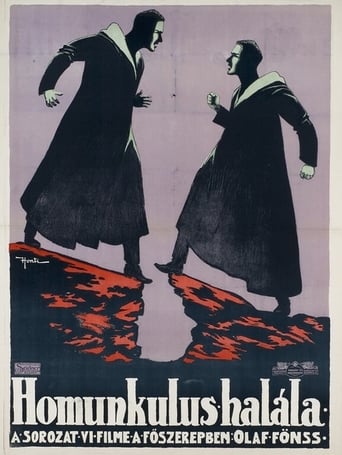
Titles linked here include Homunculus (1916), The Artificial Man (1916).
When was Ernst Ludwig born and when did he die?
Unfortunately, specific birth and death dates for Ernst Ludwig are not documented in available historical records. This is common for many supporting actors from the early silent film era, as detailed biographical information was often not preserved.
What awards did Ernst Ludwig win?
No awards or nominations for Ernst Ludwig are documented, which was typical for most actors during the early silent film period. The major film award systems, including the Academy Awards, were not established until the late 1920s, after his known career had ended.
What was Ernst Ludwig's acting style?
Specific details about Ernst Ludwig's acting style are not documented in available sources. However, actors in German silent films of 1916 typically used exaggerated gestures and expressions to convey emotion, as was common in silent cinema before the development of more naturalistic acting styles.
Why is there so little information about Ernst Ludwig?
The scarcity of information about Ernst Ludwig is typical for supporting actors from the early silent era. Many records were lost during World War II, and supporting actors often received minimal documentation in film archives. His brief career spanning only 1916 also limits the available historical record.