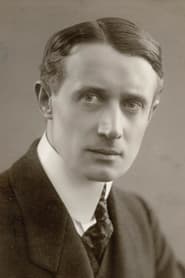
Alf Blütecher
Actor
Born: October 8, 1880 in Kristiania (now Oslo), Norway Died: April 17, 1933 Active: 1913-1926 Birth Name: Alf Anton Blütecher
Films
4 films
About Alf Blütecher
Prominent Norwegian silent film actor who rose to prominence during the golden age of Scandinavian cinema in the 1910s. Born in Kristiania (now Oslo), Norway, he began his acting career on the stage before transitioning to the burgeoning film industry. Blütecher quickly became one of Norway's most recognizable leading men, known for his striking appearance and intense dramatic performances. His career peaked between 1915 and 1919, during which he starred in several of the era's most significant Nordic productions. He worked extensively with Danish director Holger-Madsen and often portrayed romantic heroes and dramatic protagonists in films that explored social themes and psychological depth. Despite his popularity in Scandinavia, his international career was cut short by the transition to sound films and his untimely death in 1933. Blütecher's contributions to early Nordic cinema remain significant, as he helped establish the dramatic acting style that would influence subsequent generations of Scandinavian actors.
The Craft
On Screen
Blütecher was known for his intense, theatrical acting style characteristic of the silent era, featuring exaggerated gestures and dramatic facial expressions that conveyed emotion without dialogue. His performances combined romantic leading man charisma with psychological depth, particularly excelling in roles that required emotional transformation and moral complexity. He employed a naturalistic approach within the constraints of silent film technique, using subtle eye movements and body language to create nuanced characterizations.
Milestones
- Stage debut at Nationaltheatret in Oslo (1905)
- Film debut in 'Under forvandlingens lov' (1911)
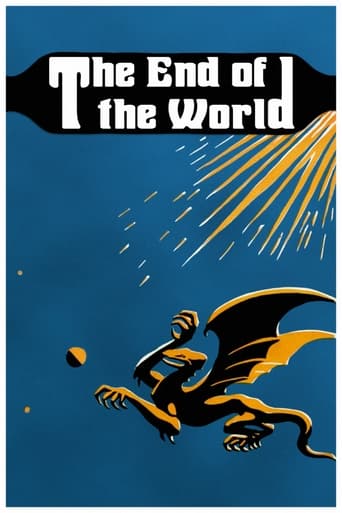
- Leading role in 'The End of the World' (1916)
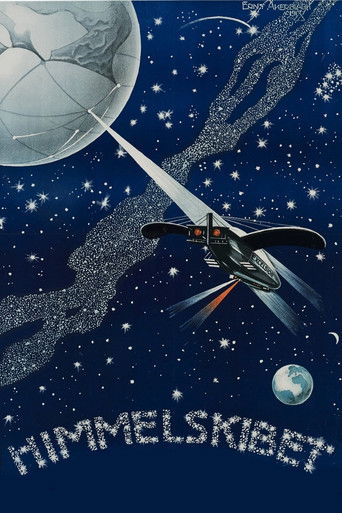
- Starred in 'A Trip to Mars' (1918)
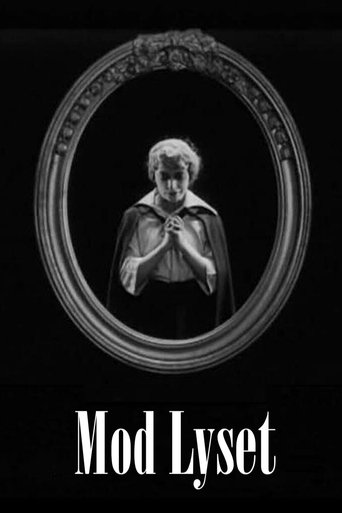
- International recognition in 'Towards the Light' (1919)
- Transition to character roles in the 1920s
- Final film appearance in 'Fager er lien' (1925)
Best Known For
Iconic Roles
Must-See Films
Accolades
Special Recognition
- Honored by the Norwegian Film Institute as a pioneer of Norwegian cinema
- Featured in the Norwegian Silent Film Archive's collection of leading actors
Working Relationships
Worked Often With
Studios
Why They Matter
Impact on Culture
Alf Blütecher played a crucial role in establishing the dramatic acting tradition in Norwegian silent cinema, helping bridge theatrical performance styles with the new medium of film. His work in Danish-Norwegian co-productions contributed to the golden age of Scandinavian cinema, which influenced international filmmaking in the 1910s. Blütecher's performances in science fiction and social drama films helped expand the thematic range of Nordic cinema beyond rural melodramas. His international appeal, particularly in Denmark and Germany, helped establish the viability of Scandinavian film exports in the silent era.
Lasting Legacy
Blütecher's legacy endures through his contributions to the development of Norwegian cinema's dramatic tradition and his role in establishing Scandinavian film as a significant cultural force in the 1910s. His films are preserved and studied by film historians as examples of early Nordic cinematic excellence. The Norwegian Film Institute regularly features his work in retrospectives of silent era cinema, and his acting techniques are analyzed in film studies programs across Scandinavia. His career represents the transition from theatrical to cinematic acting styles in Northern Europe.
Who They Inspired
Blütecher influenced subsequent generations of Norwegian actors by demonstrating how classical theatrical training could be adapted for the film medium. His work in science fiction, particularly 'A Trip to Mars,' paved the way for future Nordic genre filmmaking. Younger actors studying his performances learned techniques for conveying complex emotions through physical expression, a crucial skill in silent cinema. His collaboration with Danish directors helped establish the practice of Nordic film co-production that continues today.
Off Screen
Alf Blütecher was born into a middle-class family in Kristiania and developed an early passion for the performing arts. He married actress Borghild Johannessen in 1915, and the couple became one of Norway's most celebrated theatrical couples. Their marriage lasted until his death in 1933. Blütecher was known for his intellectual pursuits outside of acting, including literature and philosophy, which informed his approach to character development. He struggled with declining health in his later years, which contributed to his reduced film appearances in the 1920s.
Education
Educated at the Norwegian National Academy of Theatre and received classical training in dramatic arts
Family
- Borghild Johannessen (1915-1933)
Did You Know?
- Was one of the first Norwegian actors to achieve international stardom
- His film 'A Trip to Mars' was one of the earliest science fiction films made in Scandinavia
- Often performed his own stunts in action sequences
- Was fluent in Norwegian, Danish, and Swedish, which helped his pan-Scandinavian appeal
- Maintained a successful parallel career in theater throughout his film career
- His distinctive mustache became his trademark and was widely imitated
- Was considered one of the highest-paid actors in Scandinavia during his peak years
- Survived the Spanish flu pandemic of 1918, which claimed many of his contemporaries
- His films were among the first Norwegian movies to be exported to the United States
- Was an accomplished painter in his private life
In Their Own Words
The camera sees what the heart feels - we must learn to show our souls through our eyes.
In silence, the actor's body becomes the voice of the character.
Theater teaches us to project to the back row; film teaches us to whisper to the lens.
Frequently Asked Questions
Who was Alf Blütecher?
Prominent Norwegian silent film with credits in this catalog. He was one of the first Norwegian actors to achieve international recognition, particularly in Denmark and Sweden, and starred in several significant Nordic productions during the golden age of Scandinavian cinema.
What films is Alf Blütecher best known for?
Titles linked here include The End of the World (1916), A Trip to Mars (1918).
When was Alf Blütecher born and when did he die?
Born October 8, 1880; died April 17, 1933.
What awards did Alf Blütecher win?
While formal film awards were not established during Blütecher's active period, he received posthumous recognition from the Norwegian Film Institute as a pioneer of Norwegian cinema. His work is regularly honored in retrospectives of silent era Scandinavian films.
What was Alf Blütecher's acting style?
Blütecher was known for his intense, theatrical acting style typical of the silent era, featuring dramatic gestures and facial expressions. He combined romantic leading man charisma with psychological depth, excelling in roles requiring emotional transformation and moral complexity while maintaining a naturalistic approach within silent film constraints.