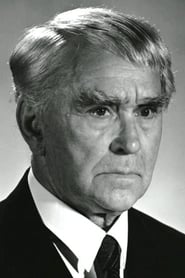
Nicolai Neiiendam
Actor
Born: May 21, 1868 in Copenhagen, Denmark Died: February 4, 1945 Active: 1880s-1945 (stage), 1918-1920 (film) Birth Name: Nicolai Peter Neiiendam
Films
2 films
About Nicolai Neiiendam
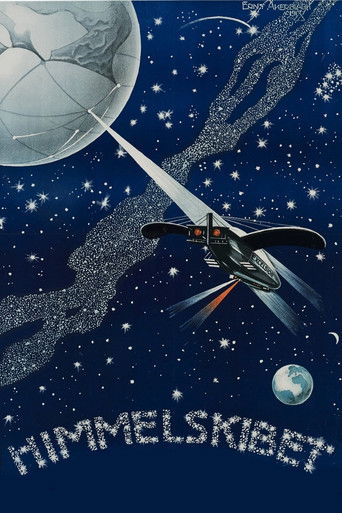
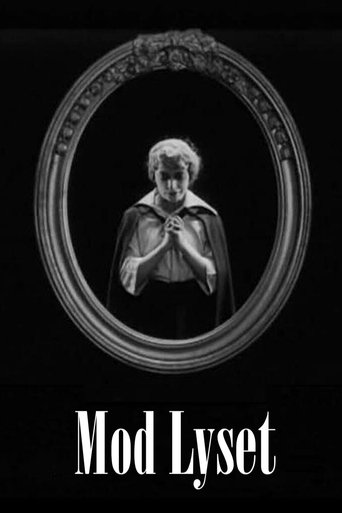
Nicolai Peter Neiiendam — Danish stage and film actor who made his mark during the transition from theater to cinema in the early 20th century. Born into a theatrical family, he began his career on the stage and became respected actors at the Royal Danish Theatre in Copenhagen, where he performed for decades. Neiiendam's transition to film came relatively late in his career, during the golden age of Danish silent cinema in the late 1910s. Nicolai appears in several notable films, most famously in Holger-Madsen's science fiction film 'Himmelskibet' (A Trip to Mars) in 1918, which was one of the earliest feature-length science fiction films ever made. His performance in 'Mod Lyset' (Towards the Light) in 1919 further cemented his reputation as a serious dramatic actor capable of conveying complex emotions through the silent medium. Despite his brief film career, Neiiendam's performances were characterized by their theatrical gravitas and emotional depth, reflecting his extensive stage training. He continued his stage work throughout his life, becoming a beloved figure in Danish cultural circles until his death in 1945.
The Craft
On Screen
Classical theatrical style with dramatic gestures and expressive facial features, adapted for the silent film medium. His performances were characterized by gravitas, emotional depth, and a commanding presence that translated well from stage to screen.
Milestones
- Long-standing career at the Royal Danish Theatre
- Starred in science fiction film 'Himmelskibet' (1918)
- Appeared in 'Mod Lyset' (Towards the Light) (1919)
- Respected figure in Danish cultural and theatrical circles
- Transitioned successfully from stage to silent film medium
Best Known For
Iconic Roles
Must-See Films
Accolades
Special Recognition
- Knight of Dannebrog (Danish royal order)
- Highly regarded figure in Danish theatrical history
Working Relationships
Worked Often With
Studios
Why They Matter
Impact on Culture
Nicolai Neiiendam played a significant role in Danish cultural history as a bridge between the golden age of Danish theater and the emerging medium of cinema. His appearance in 'Himmelskibet' contributed to. As a respected stage actor who successfully transitioned to film, he helped legitimize cinema as an art form worthy of serious dramatic talent in Denmark. His performances exemplified the theatrical traditions that Danish silent cinema drew upon, helping to establish the emotional depth and artistic seriousness that characterized the best of Danish film from this period.
Lasting Legacy
Nicolai Neiiendam's legacy lies primarily in his contributions to Danish theater and his role in early Danish cinema. While his film career was brief, his appearance in 'Himmelskibet' ensures his place in film history as part of a science fiction work. In Danish cultural memory, he is remembered as an actor of the Royal Danish Theatre who embodied the classical theatrical tradition. His influence extended through his family, particularly through his son Aage Neiiendam, who became an important theater director. Neiiendam represents the generation of classically trained actors who helped establish the artistic credibility of cinema as it emerged from the shadow of theater.
Who They Inspired
Neiiendam influenced Danish theater and film through his commitment to classical acting techniques and his willingness to embrace new media. His theatrical approach to film acting influenced other stage actors making the transition to cinema. As a respected figure at the Royal Danish Theatre, he helped maintain high artistic standards during a period of rapid technological and cultural change. His family, particularly his son Aage Neiiendam, continued his artistic legacy in Danish theater, extending his influence into subsequent generations.
Off Screen
Nicolai Neiiendam came from a family with strong theatrical traditions. His brother, William Neiiendam, was also a well-known actor. He married actress Betty Hennings, who was a prominent figure in Danish theater. The couple had children who also pursued careers in the arts. Neiiendam was known for his dedication to the craft of acting and his contributions to Danish cultural life. He lived in the Copenhagen area his entire life and was respected both as an artist and as a cultural figure in Danish society.
Education
Trained at the Royal Danish Theatre's acting school, Copenhagen
Family
- Betty Hennings (married 1896-1934, her death)
Did You Know?
- His 1918 film 'Himmelskibet' (A Trip to Mars) was one of the first feature-length science fiction films ever made
- The film was remarkably progressive for its time, depicting Martians as peaceful beings rather than hostile invaders
- He came from a theatrical family - his brother William was also a prominent Danish actor
- His wife Betty Hennings was one of Denmark's most celebrated actresses of the late 19th and early 20th centuries
- Despite his brief film career, he appeared in some of Denmark's most important early films
- He was awarded the Knight's Cross of the Order of the Dannebrog for his contributions to Danish culture
- His stage active years covered over five decades at Denmark's most prestigious theater
- He was part of the generation of actors who witnessed the birth of cinema and its evolution into a major art form
- His son Aage Neiiendam became a significant theater director in Denmark
- He continued performing on stage well into his 70s, demonstrating remarkable longevity in his career
In Their Own Words
The stage is our temple, and the actor is its priest - we must serve the truth with every gesture and word
Film is but a new stage, and we actors must learn its language while keeping our artistic soul intact
To act is to live many lives, and in each life to find the truth that connects us all
Frequently Asked Questions
Who was Nicolai Neiiendam?
Danish stage and film with credits in this catalog.
What films is Nicolai Neiiendam best known for?
Titles linked here include Himmelskibet (A Trip to Mars) (1918), Mod Lyset (Towards the Light) (1919).
When was Nicolai Neiiendam born and when did he die?
Born May 21, 1868; died February 4, 1945.
What awards did Nicolai Neiiendam win?
Neiiendam was awarded the Knight's Cross of the Order of the Dannebrog, one of Denmark's highest honors, in recognition of his significant contributions to Danish culture and theater.
What was Nicolai Neiiendam's acting style?
Neiiendam employed a classical theatrical style characterized by dramatic gestures and expressive features, which he successfully adapted for the silent film medium. His performances were noted for their gravitas, emotional depth, and commanding presence developed through decades of stage experience.
How did Nicolai Neiiendam influence Danish culture?
As a prominent figure at the Royal Danish Theatre for over five decades, Neiiendam helped maintain high artistic standards in Danish theater. His transition to film helped legitimize cinema as an art form, and his family's continued involvement in the arts extended his cultural influence through subsequent generations.