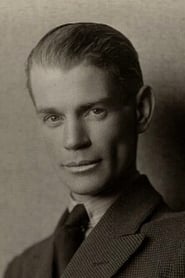
James Whale
Director
Born: July 22, 1889 in Dudley, Worcestershire, England Died: May 29, 1957 Active: 1929-1941
Films
3 films
About James Whale
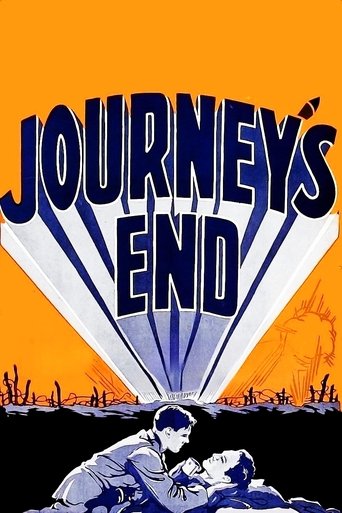
British film director who revolutionized the horror genre in early Hollywood. After serving as a lieutenant in World War I where he was captured and held as a prisoner of war, Whale began his career in theater before transitioning to film in the late 1920s. He moved to Hollywood and directed his first American film 'Journey's End' (1930), which led to his contract with Universal Studios. Whale achieved international acclaim with 'Frankenstein' (1931), which established many conventions of the horror genre and launched Universal's successful horror franchise. He continued to direct landmark films including 'The Invisible Man' (1933) and what many consider his masterpiece 'Bride of Frankenstein' (1935), while also demonstrating versatility with musicals like 'Show Boat' (1936). His career declined in the early 1940s due to changing studio politics and health issues, though he on cinema history. Whale was one of the few openly gay directors in Golden Age Hollywood, and his life ended tragically when he died by suicide in 1957 at age 67.
The Craft
Behind the Camera
James Whale's directing style was characterized by its sophisticated blend of gothic horror, dark humor, and theatrical elegance. He employed innovative camera techniques, striking visual compositions, and atmospheric lighting to create mood and tension. Whale had a unique ability to balance horror with humanity, making his monsters sympathetic and exploring themes of alienation and social outcasts. His background in theater influenced his meticulous attention to set design and his precise blocking of actors. Whale's films often featured baroque visual elements, expressionistic shadows, and a distinctive visual poetry that elevated horror beyond mere shock value into art cinema.
Milestones
- Directed Frankenstein (1931)
- Directed The Invisible Man (1933)
- Directed Bride of Frankenstein (1935)
- Directed Show Boat (1936)
- Pioneered the horror film genre
- One of the first openly gay directors in Hollywood
Best Known For
Must-See Films
Accolades
Won
- Academy Award nomination for Best Director - Frankenstein (1931)
Nominated
- Academy Award for Best Director - Frankenstein (1931)
Special Recognition
- Star on Hollywood Walk of Fame
- Inducted into the Science Fiction and Fantasy Hall of Fame
- Bride of Frankenstein preserved in National Film Registry (1998)
- Frankenstein preserved in National Film Registry (2003)
Working Relationships
Worked Often With
Studios
Why They Matter
Impact on Culture
James Whale fundamentally shaped the horror genre, establishing visual and narrative conventions that continue to influence filmmakers today. His Frankenstein films created the iconic monster mythology and explored themes of creation, responsibility, and alienation that resonated with audiences during the Great Depression. Whale's sophisticated approach elevated horror from B-movie status to artistic cinema, paving the way for more serious treatment of genre films. His openly gay identity, though rarely acknowledged publicly during his lifetime, made him a pioneer for LGBTQ+ representation in Hollywood. Whale's visual style influenced film noir, German expressionism, and countless horror directors who followed.
Lasting Legacy
James Whale's legacy endures through his groundbreaking horror films that remain cultural touchstones more than 80 years after their release. 'Frankenstein' and 'Bride of Frankenstein' are considered masterpieces of early horror cinema, with the latter often cited as superior to the original. Whale's influence extends beyond horror to all genre filmmaking, demonstrating that popular entertainment can achieve artistic merit. His life story was later dramatized in the acclaimed film 'Gods and Monsters' (1998), bringing renewed attention to his contributions. Whale is remembered as a visionary director who brought sophistication, humanity, and visual poetry to the horror genre while challenging social conventions both on and off screen.
Who They Inspired
Whale influenced generations of filmmakers, from Universal's subsequent horror directors like Terence Fisher to modern auteurs like Tim Burton, Guillermo del Toro, and James Wan. His visual techniques, particularly his use of shadows and expressionistic lighting, influenced film noir and psychological thrillers. Whale's approach to making monsters sympathetic characters created a template for complex antagonists in horror cinema. His success as an openly gay director in Hollywood's Golden Age paved the way for greater LGBTQ+ representation in the film industry. Directors like Martin Scorsese and Peter Jackson have cited Whale as an influence on their visual storytelling, particularly his ability to create atmosphere and mood through composition and lighting.
Off Screen
James Whale was openly gay during a time when homosexuality was taboo in Hollywood. He had a long-term relationship with producer David Lewis from 1930 to 1952. Whale was known for his wit, sophistication, and sharp tongue, often challenging studio executives. He suffered from depression following a stroke in 1948 and his declining health. Whale was also an accomplished painter and created many watercolors throughout his life. His final years were marked by increasing isolation and health problems, leading to his suicide by drowning in his swimming pool in 1957.
Education
Attended Dudley Blue Coat School, left at age 14 to work in a factory, later studied art at the Dudley School of Arts and Crafts
Family
- David Lewis (1930-1952, long-term partner)
Did You Know?
- Was a prisoner of war during World War I and used his theatrical skills to entertain fellow prisoners
- His film 'Frankenstein' was banned in several countries for being too horrifying
- Discovered Boris Karloff and cast him in Frankenstein against studio wishes
- Was an accomplished watercolor painter whose works are now collector's items
- His home in Hollywood was known for elaborate parties attended by Hollywood elite
- The character of 'Frankenstein's Monster' never speaks in Whale's first film
- Bride of Frankenstein was his personal favorite among his films
- He made a cameo appearance as a villager in 'Frankenstein'
- His last completed film was 'Hello Out There' (never released)
- The swimming pool where he died was designed by himself
- His films often featured themes of outsiders and misunderstood characters
- He was one of the few directors who successfully transitioned from British to Hollywood cinema
In Their Own Words
Horror is the future of cinema - and I'm going to be its king
I have always been interested in the grotesque and the beautiful, and the way they can exist together
The monster is the most human character in the picture
I don't direct horror pictures, I direct pictures about human beings
A director must be a bit of a dictator, but a benevolent one
The camera is my pencil, light is my paint
Every film should have a touch of poetry, even the horrors
Frequently Asked Questions
Who was James Whale?
British on YTB.my. He directed classic films including 'Frankenstein' (1931), 'The Invisible Man' (1933), and 'Bride of Frankenstein' (1935), establishing many conventions that continue to influence horror cinema today.
What films is James Whale best known for?
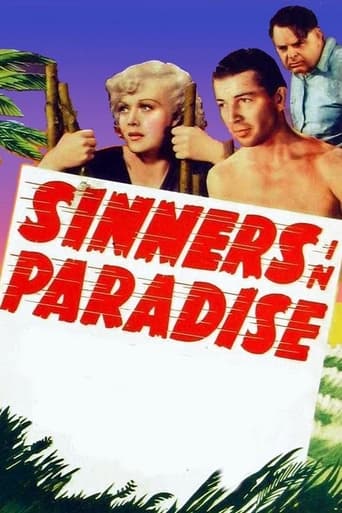
Titles linked here include Frankenstein (1931), The Old Dark House (1932).
When was James Whale born and when did he die?
Born July 22, 1889; died May 29, 1957.
What awards did James Whale win?
James Whale received an Academy Award nomination for Best Director for 'Frankenstein' (1931). While he didn't win competitive Oscars during his lifetime, his films have been preserved in the National Film Registry and he has received posthumous honors including a star on the Hollywood Walk of Fame.
What was James Whale's directing style?
Whale's directing style combined gothic horror with theatrical elegance, using innovative camera techniques, atmospheric lighting, and striking visual compositions. He brought sophistication and humanity to horror films, making monsters sympathetic and exploring themes of alienation and social outcasts.
Was James Whale really only active in 1938?
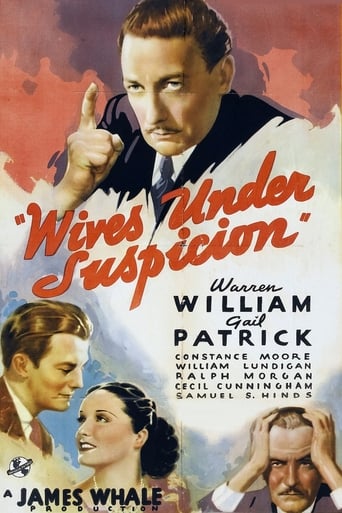
No, James Whale's active years covered from 1929 to 1941. The 1938 films you mentioned represent just a small portion of his work. His most famous and influential films were made in the early 1930s, particularly his horror classics for Universal Studios.
How did James Whale influence cinema?
Whale revolutionized the horror genre, establishing visual and narrative conventions still used today. He elevated horror to artistic cinema, influenced film noir with his lighting techniques, and paved the way for more sophisticated genre films. His success as an openly gay director also made him a pioneer for LGBTQ+ representation in Hollywood.