Nikolai Tseretelli
Actor
Born: 1890 in Tiflis, Russian Empire (now Tbilisi, Georgia) Died: 1942 Active: 1920s-1940s Birth Name: Nikolai Mikhailovich Tseretelli
Films
2 films
About Nikolai Tseretelli
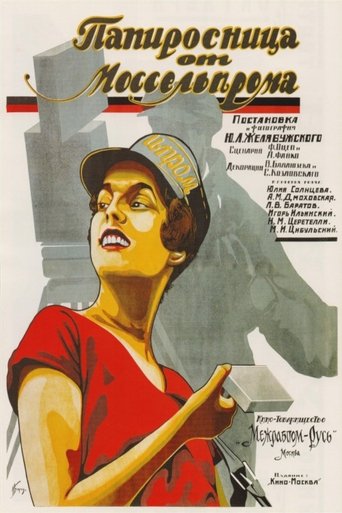
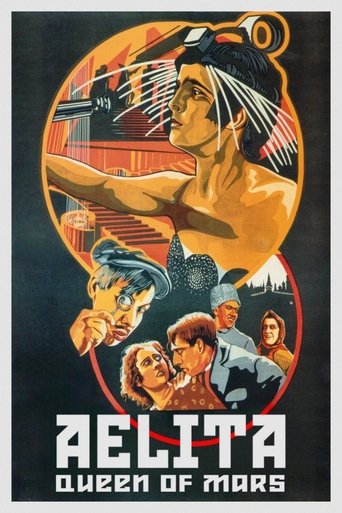
Actor of early Soviet cinema, born into a Georgian aristocratic family in Tiflis (now Tbilisi) in 1890. He began his artistic career in theater, studying and performing with the avant-garde director Vsevolod Meyerhold, whose biomechanics acting system profoundly influenced Tseretelli's distinctive performance style. His transition to cinema coincided with the golden age of Soviet silent film, and he quickly became recognizable faces of this era. Tseretelli achieved his greatest fame in 1924 with two landmark films that would define his legacy: 'The Cigarette Girl of Mosselprom,' a satirical comedy about Soviet advertising, and 'Aelita: Queen of Mars,' one of the first science fiction films ever made. His performances were characterized by exaggerated, expressionist gestures and a theatrical intensity that reflected his Meyerhold training. Despite his success in the 1920s, Tseretelli's film career was relatively brief, as the advent of sound and changing political climates in the Soviet Union created new challenges for actors of his generation. He continued working primarily in theater throughout the 1930s, adapting to the new socialist realist aesthetic, until his death in 1942 during the Second World War, leaving behind a legacy as distinctive and innovative actors of early Soviet cinema.
The Craft
On Screen
Tseretelli's acting style was heavily influenced by Meyerhold's biomechanics system, characterized by exaggerated, stylized movements and expressionist techniques. His performances featured deliberate, mechanical gestures and heightened emotional expressions that suited the avant-garde aesthetic of early Soviet cinema. In his film work, he maintained a theatrical intensity that him from more naturalistic actors of the period, using his entire body as an expressive instrument. His approach was particularly effective in the symbolic and allegorical nature of 1920s Soviet films, where actors needed to convey complex ideas through physical performance.
Milestones
- Breakthrough role in 'The Cigarette Girl of Mosselprom' (1924)
- Iconic performance as Engineer Los in 'Aelita: Queen of Mars' (1924)
- Collaboration with avant-garde director Vsevolod Meyerhold
- work in early Soviet science fiction cinema
- Transition from theater to film during the revolutionary period
Best Known For
Iconic Roles
Must-See Films
Accolades
Special Recognition
- Recognition as an actor of Soviet cinema
- Cultural significance in Russian film history
Working Relationships
Worked Often With
Studios
Why They Matter
Impact on Culture
Nikolai Tseretelli played a significant role in shaping the aesthetic of early Soviet cinema through his distinctive acting style and memorable performances. His work in 'Aelita: Queen of Mars' helped establish the visual language of science fiction cinema globally, influencing countless future films in the genre. The film itself became a cultural touchstone, representing Soviet ambitions in both artistic and technological realms. Tseretelli's performances embodied the revolutionary spirit of the 1920s Soviet avant-garde, contributing to a uniquely Soviet cinematic language that blended political messaging with artistic experimentation. His collaboration with Meyerhold helped bridge the worlds of avant-garde theater and cinema, creating cross-pollination between these art forms that would influence generations of Soviet performers.
Lasting Legacy
Tseretelli's legacy endures through his iconic performances in two of the most important films of early Soviet cinema. 'Aelita: Queen of Mars' remains. His work represents the brief but brilliant flowering of artistic freedom in 1920s Soviet cinema before the imposition of socialist realism. Film historians and scholars continue to study his performances as examples of the distinctive acting techniques developed in the Soviet avant-garde theater tradition. His contributions helped establish Soviet cinema as a major force in international film during the silent era, influencing filmmakers and actors both within and beyond the Soviet Union.
Who They Inspired
Tseretelli's biomechanics-based acting approach, learned from Meyerhold, influenced subsequent generations of Soviet actors who sought to develop a uniquely Soviet performance style distinct from Western naturalism. His work in early science fiction cinema helped establish archetypes and performance conventions that would be adopted by actors in the genre for decades. The theatrical intensity and physical expressiveness he brought to film roles demonstrated how stage acting techniques could be adapted for the cinema screen. His performances continue to be studied by actors and directors interested in alternative approaches to realistic acting, particularly in genres requiring stylized or expressionist performance styles.
Off Screen
Born into a Georgian aristocratic family, Tseretelli grew up during the final years of the Russian Empire and witnessed the dramatic social and political transformations of the revolutionary period. His aristocratic background presented both advantages and challenges during the early Soviet years. He married fellow actress and maintained connections within the artistic community throughout his career. His life spanned.
Education
Studied under Vsevolod Meyerhold at his theater workshop, learning the innovative biomechanics acting system that would define his performance style
Family
Did You Know?
- His surname 'Tseretelli' indicates Georgian noble heritage
- Worked with Vsevolod Meyerhold,
- 'Aelita: Queen of Mars' was one of the first major science fiction films produced anywhere in the world
- The film featured elaborate Constructivist sets designed by Isaac Rabinovich and Aleksandr Ekster
- Tseretelli's performance style reflected the biomechanics acting system developed by Meyerhold
- Despite his fame in the 1920s, his film career was relatively brief, spanning mainly the silent era
- His aristocratic background was notable given the revolutionary context of early Soviet cinema
- The Martian scenes in 'Aelita' were filmed in Germany, making it an early international co-production
- His character in 'Aelita' travels to Mars and leads a workers' revolution, reflecting Soviet ideological themes
- The film's costumes for the Martians influenced fashion and design in the 1920s
In Their Own Words
Frequently Asked Questions
Who was Nikolai Tseretelli?
Russian/Soviet with credits in this catalog.' He was trained in the avant-garde theater tradition under Vsevolod Meyerhold and brought a distinctive, stylized acting style to early Soviet cinema.
What films is Nikolai Tseretelli best known for?
Titles linked here include The Cigarette Girl of Mosselprom (1924), Aelita: Queen of Mars (1924).
When was Nikolai Tseretelli born and when did he die?
Born 1890; died 1942.
What was Nikolai Tseretelli's acting style?
Tseretelli's acting style was heavily influenced by Meyerhold's biomechanics system, featuring exaggerated, stylized movements and expressionist techniques. His performances were characterized by theatrical intensity, deliberate gestures, and a mechanical quality that suited the avant-garde aesthetic of early Soviet cinema.
How did Nikolai Tseretelli influence cinema?
Tseretelli helped establish the visual language of early Soviet cinema and contributed to the development of science fiction as a film genre through his work in 'Aelita.' His biomechanics-based acting approach influenced subsequent generations of Soviet actors and demonstrated how avant-garde theater techniques could be adapted for cinema.
What was Nikolai Tseretelli's connection to theater?
Tseretelli began his career in theater and studied under the influential avant-garde director Vsevolod Meyerhold. This theatrical training profoundly shaped his film acting style, and he maintained connections to theater throughout his career, even as his fame grew through cinema.
Why is 'Aelita: Queen of Mars' significant in film history?
'Aelita: Queen of Mars' is significant as one of the first major science fiction films ever made, featuring elaborate Constructivist sets and costumes that influenced design and fashion. The film's blend of revolutionary themes with science fiction elements made it a unique Soviet contribution to early cinema, with Tseretelli's performance as Engineer Los becoming an archetype for the conflicted scientist protagonist.