Robert Middleton
Actor
Born: May 13, 1911 in Cincinnati, Ohio, USA Died: June 5, 1977 Active: Early 1950s-1970s
Films
2 films
About Robert Middleton
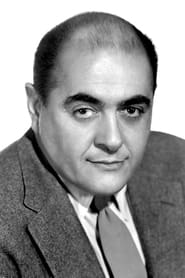
American character actor: imposing presence and resonant voice made him a familiar face in postwar Hollywood films and television. Born in Cincinnati, Ohio, he trained as an actor and worked on the stage before moving into screen roles in the early 1950s, when his broad shoulders, sharp features, and commanding delivery made him especially effective as authority figures, heavy villains, and stern professionals. His film work includes appearances in noir and crime pictures such as "The Big Combo" and larger-scale productions such as "Duck and Cover," which connected him to both dramatic cinema and the era's civic-minded educational filmmaking. Over the course of the 1950s and 1960s, he built a steady career as a reliable supporting player in Westerns, thrillers, adventure films, and television episodes, often leaving a memorable impression in relatively brief appearances. Middleton was particularly valued for bringing force and gravity to his roles without overplaying them, giving even minor characters a sense of weight and authority. He continued acting into the 1970s, and his career reflects the importance of strong character actors in classic American cinema. He died in 1977, leaving behind a body of work that is remembered for durability, professionalism, and distinctive screen presence.
The Craft
On Screen
Middleton's acting style was forceful, grounded, and highly economical, relying on physical authority, a steady gaze, and a deep, deliberate vocal delivery. He was especially effective in roles requiring intimidation, discipline, or moral ambiguity, and he rarely needed excessive movement or melodrama to command a scene. In supporting roles, he often projected an aura of danger or stern competence that sharpened the dramatic stakes around the lead actors. His performances tended to be concise but memorable, making him a classic example of the dependable American character actor.
Milestones
- Became a recognizable Hollywood character actor in the 1950s after beginning on stage
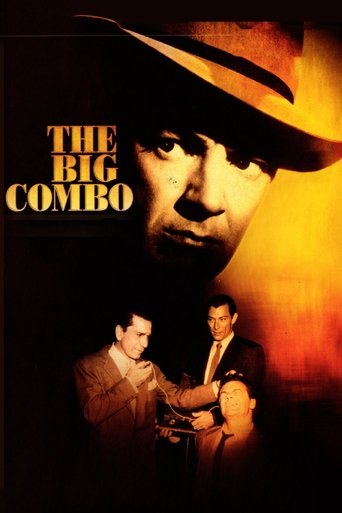
- Appeared in the noir classic "The Big Combo" (1955), one of his best-known film roles
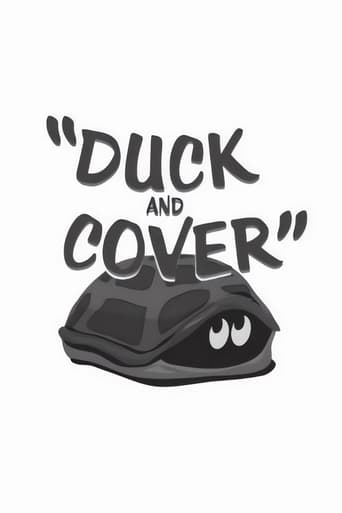
- Took part in "Duck and Cover" (1952), the widely circulated Cold War-era civil defense film
- Worked steadily in Westerns, crime dramas, adventure films, and television throughout the 1950s and 1960s
- Built a reputation for playing formidable villains, officials, and hard-edged professionals
- Remained a dependable supporting actor across multiple genres through the later part of the Golden Age and beyond
Best Known For
Iconic Roles
Must-See Films
Working Relationships
Worked Often With
Studios
Why They Matter
Impact on Culture
Robert Middleton's cultural impact lies less in stardom than in the essential role he played as a character actor in mid-century American screen culture. He helped define the look and feel of postwar genre cinema by providing believable intimidation, institutional authority, and moral pressure in supporting roles. His participation in "Duck and Cover" also places him within the history of Cold War public-information film, a widely remembered artifact of American culture. For many viewers, his face and voice became part of the texture of classic noir, Western, and suspense storytelling, where strong supporting actors were crucial to the atmosphere and credibility of the films.
Lasting Legacy
Middleton's legacy is that of a consummate professional character actor whose contributions strengthened countless films and television episodes during the Golden Age and its aftermath. He is remembered by classic cinema enthusiasts for his memorable presence in noir and crime pictures, especially "The Big Combo," where his authority and menace fit the genre perfectly. His career demonstrates how supporting actors could become indispensable to studio-era storytelling even without top billing. In retrospective film history, Middleton stands as a representative example of the sturdy, visually distinctive performers who gave mid-century American cinema much of its dramatic texture and realism.
Who They Inspired
While he was not a marquee star whose style spawned direct imitation, Middleton influenced the standard for the modern screen heavy and the reliable authority figure in mid-century genre filmmaking. Later actors playing police captains, gangsters, officers, judges, or businessmen often worked in the same concise, unsentimental register that Middleton exemplified. His screen manner contributed to the broader tradition of American character acting in which presence, vocal control, and precision could define a role in only a few moments.
Off Screen
Robert Middleton kept his personal life relatively private compared with many Hollywood stars, and the surviving public record focuses more on his professional work than on detailed family history. He was married, but widely circulated film references do not consistently preserve extensive information about his spouse or domestic life. He was not known as a major scandal figure, and his reputation in the industry was that of a dependable working actor. Because he was a character player rather than a marquee name, many biographical accounts emphasize his screen persona and steady employment rather than celebrity biography.
Education
He studied acting before entering film, but detailed formal educational records are not widely documented in standard film references.
Did You Know?
- He is often remembered by classic film fans for his deep voice and imposing physical presence.
- Although his film career began in the early 1950s, he remained active for decades across film and television.
- He appeared in "Duck and Cover," a famous Cold War educational film that has become a pop-culture artifact.
- He was especially effective in noir and crime stories, where his stern demeanor gave scenes extra tension.
- Like many strong character actors of the era, he often played authority figures, villains, or tough professionals rather than romantic leads.
- His career demonstrates the importance of supporting actors in sustaining the atmosphere of classic Hollywood genre cinema.
- He is not to be confused with other entertainers of similar name, including later performers or non-acting figures.
Frequently Asked Questions
Who was Robert Middleton?
American character with credits in this catalog. He frequently played villains, officials, and hard-edged supporting characters, making him a familiar face in classic genre cinema.
What films is Robert Middleton best known for?
Titles linked here include The Big Combo (1955), Duck and Cover (1952).
When was Robert Middleton born and when did he die?
Born May 13, 1911; died June 5, 1977.
What awards did Robert Middleton win?
There are no major mainstream awards or nominations widely documented for Robert Middleton in standard classic cinema references. His reputation rests primarily on the quality and consistency of his supporting performances rather than on formal award recognition.
What was Robert Middleton's acting style?
His acting style was direct, forceful, and controlled, with an emphasis on presence rather than broad gesture. He was particularly effective in roles that required intimidation, authority, or quiet menace, and he often conveyed a great deal with a look, a pause, or a carefully delivered line.
What is Robert Middleton's legacy in film history?
His legacy is that of a dependable and memorable character actor who helped define the texture of mid-century Hollywood genre films. He is especially valued by classic film historians and noir enthusiasts for bringing credibility and weight to supporting roles that might otherwise have been forgettable.