
Charles Boyer
Actor
Born: August 28, 1899 in Figeac, Lot, France Died: August 26, 1978 Active: 1920-1976
Films
5 films

About Charles Boyer
French actor who became one of Hollywood's most sophisticated leading men during the Golden Age of cinema. Beginning his career in French silent films in the 1920s, he successfully transitioned to talkies and made his mark in Hollywood with his breakthrough role in Algiers (1938). Known for his romantic, continental persona and distinctive French accent, Boyer specialized in playing charismatic, often tormented characters who captivated audiences with their emotional depth and European elegance. He received four Academy Award nominations for Best Actor and was honored with an honorary Oscar in 1942 for his contributions to American cinema. Beyond acting, Boyer also became a successful producer and continued working in film and television through the 1970s. His over five decades, making him enduring and respected international stars of classic cinema.
The Craft
On Screen
Boyer was renowned for his sophisticated, romantic acting style characterized by his distinctive French accent and continental charm. He specialized in portraying charismatic, often tormented characters with a blend of European elegance and emotional intensity. His technique involved subtle gestures, expressive eyes, and a velvety voice that could convey both passion and vulnerability. Boyer excelled at playing complex characters who were simultaneously charming and dangerous, romantic and tragic. His performances often featured a psychological depth that set him apart from typical Hollywood leading men of his era.
Milestones
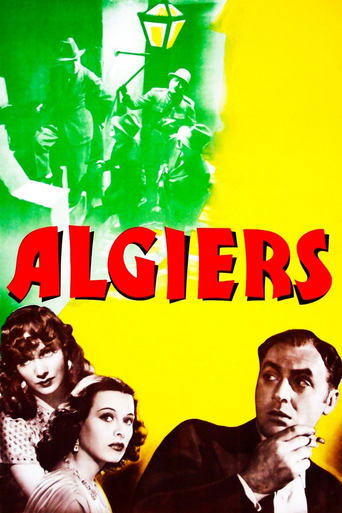
- Breakthrough role in Algiers (1938) establishing his romantic leading man persona
- Four Academy Award nominations for Best Actor
- Received honorary Academy Award in 1942
- Successful transition from French cinema to Hollywood stardom
- Star on Hollywood Walk of Fame
- Founded Boyer Productions, becoming a successful producer
Best Known For
Iconic Roles
Must-See Films
Accolades
Won
- Honorary Academy Award (1942)
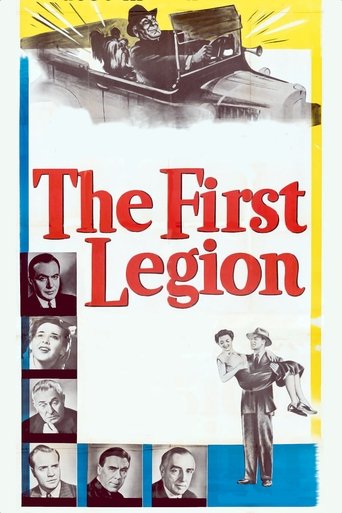
- Golden Globe for Best Actor (1952) for 'The First Legion'
- New York Film Critics Circle Award for Best Actor (1937) for 'Conquest'
- Venice Film Festival Volpi Cup for Best Actor (1937) for 'Conquest'
- National Board of Review Award for Best Actor (1938) for 'Algiers'
Nominated
- Academy Award nomination for Best Actor for 'Conquest' (1937)
- Academy Award nomination for Best Actor for 'Algiers' (1938)
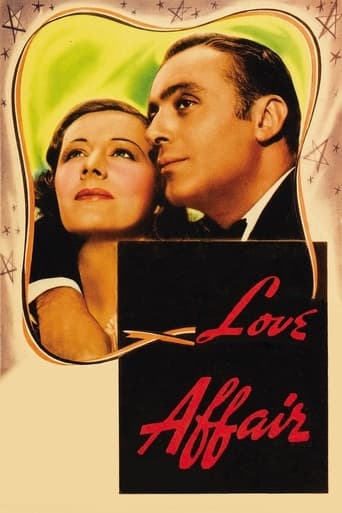
- Academy Award nomination for Best Actor for 'Love Affair' (1939)
- Academy Award nomination for Best Actor for 'Hold Back the Dawn' (1941)
- Golden Globe nomination for Best Actor for 'Fanny' (1961)
- Emmy Award nomination for Outstanding Single Performance by an Actor for 'The Four-Poster' (1957)
Special Recognition
- Star on Hollywood Walk of Fame (6260 Hollywood Boulevard)
- Commander of the Legion of Honour (France)
- Knight of the Order of St. Gregory the Great (Vatican)
- AFI Life Achievement Award nomination (1973)
- Cannes Film Festival Honorary President (1960)
Working Relationships
Worked Often With
Studios
Why They Matter
Impact on Culture
Charles Boyer significantly impacted both American and international cinema by bridging French and Hollywood film cultures during the Golden Age. He helped establish the archetype of the sophisticated, romantic European leading man in Hollywood, paving the way for other international actors. His role in Algiers (1938) popularized the 'pepe le moko' character type and influenced countless film noir protagonists. Boyer's success demonstrated that foreign actors could achieve superstardom in Hollywood while maintaining their cultural identity, challenging the industry's tendency toward Americanization. His performances in psychological dramas like Gaslight contributed to the development of the film noir genre and influenced how complex, morally ambiguous characters were portrayed in American cinema.
Lasting Legacy
Charles Boyer's legacy endures as one of classic Hollywood's most elegant and sophisticated leading men. He remains a symbol of the international star who brought European refinement and depth to American cinema. His four-decade active years covered the transition from silent films to modern cinema, making him a living link between different eras of filmmaking. Boyer's influence extends to his role as a producer, where he helped bring quality European productions to international audiences. His tragic personal story, particularly the loss of his son, has also become part of his legacy, adding depth to the public's understanding of the man behind the sophisticated screen persona. Today, he is remembered for his contributions to establishing the romantic thriller genre and for elevating the standard of acting in Hollywood's Golden Age.
Who They Inspired
Boyer influenced generations of actors through his distinctive blend of European sophistication and emotional accessibility. His success opened doors for other international actors in Hollywood, proving that audiences would embrace foreign stars who maintained their cultural identity. Actors like Omar Sharif, Louis Jourdan, and even later stars like Antonio Banderas owe a debt to Boyer for establishing the romantic foreigner archetype. His technique of using subtle gestures and vocal modulation influenced method actors who followed. As a producer, he influenced independent filmmaking by demonstrating that quality productions could succeed outside the major studio system. His approach to playing complex, morally ambiguous characters helped pave the way for the anti-heroes that would dominate cinema in subsequent decades.
Off Screen
Charles Boyer led a relatively private personal life marked by his long and happy marriage to British actress Pat Paterson. The couple met in 1934 and married the same year, remaining together for 44 years until Boyer's death. They had one son, Michael Charles Boyer, who tragically died by suicide in 1965 at age 21, an event that deeply affected Boyer for the rest of his life. Despite his Hollywood success, Boyer maintained strong ties to his French heritage and was known for his intellectual pursuits, including philosophy and literature. He was fluent in multiple languages and was respected for his cultural sophistication both on and off screen.
Education
Studied at the Sorbonne in Paris, attended the Conservatoire National Supérieur d'Art Dramatique (French National Academy of Dramatic Arts)
Family
- Pat Paterson (1934-1978)
Did You Know?
- Was offered the role of Captain Renault in 'Casablanca' but turned it down; the role went to Claude Rains
- Spoke fluent English, French, Italian, and Spanish
- Turned down the role of Don Corleone in 'The Godfather' (1972)
- His famous line from 'Algiers' - 'Come with me to the Casbah' - was never actually said in the film
- Was a licensed pilot who owned several aircraft
- Was friends with Albert Einstein and corresponded with him about physics and philosophy
- His wife Pat Paterson proposed to him on their second date
- Was nominated for an Oscar four times but never won competitively, only receiving an honorary award
- Served as a cultural ambassador for France and was decorated by the French government
- His son Michael's death led Boyer to establish a foundation for mental health awareness
- Was considered for the role of Professor Henry Higgins in 'My Fair Lady' (1964)
- Appeared on a U.S. Postage stamp as part of the 'Legends of Hollywood' series
In Their Own Words
Love is a dangerous game, but it's the only game worth playing.
The French have a word for it - 'panache.' That little extra something that makes all the difference.
Acting is not about being someone different. It's finding the similarity in what is apparently different, then finding myself in there.
I have been lucky enough to live through the entire history of the cinema, from its birth to its maturity.
In America, you have to be different. In France, you have to be the same. That is the difference between the two countries.
The greatest thing in the world is to know how to belong to oneself.
Frequently Asked Questions
Who was Charles Boyer?
French with credits in this catalog.
What films is Charles Boyer best known for?
Titles linked here include Algiers (1938), Love Affair (1939).
When was Charles Boyer born and when did he die?
Born August 28, 1899; died August 26, 1978.
What awards did Charles Boyer win?
Charles Boyer received an honorary Academy Award in 1942, won a Golden Globe for The First Legion (1952), and won the Venice Film Festival Volpi Cup for Conquest (1937), among other honors.
What was Charles Boyer's acting style?
Boyer was known for his sophisticated, romantic acting style characterized by his distinctive French accent, European elegance, and ability to portray complex, emotionally intense characters with subtle gestures and expressive eyes.
Was Charles Boyer married and did he have children?
Yes, Charles Boyer was married to British actress Pat Paterson from 1934 until his death in 1978, and they had one son, Michael, who tragically died by suicide in 1965 at age 21.
How many times was Charles Boyer nominated for an Academy Award?
Charles Boyer was nominated four times for the Academy Award for Best Actor (for Conquest, Algiers, Love Affair, and Hold Back the Dawn) but never won competitively, though he received an honorary Oscar in 1942.
What was Charles Boyer's legacy in cinema?
Charles Boyer's legacy includes establishing the archetype of the sophisticated European leading man in Hollywood, bridging French and American cinema, contributing to the development of film noir, and paving the way for international actors in Hollywood.