
Maresco Marisini
Actor
- Active
- 1924-1924
Films 1
About Maresco Marisini
Maresco Marisini appears to have been a very obscure performer from the silent-film era, and reliable biographical documentation about his life is extremely limited. The available film record identifies him as an actor associated with The White Shadow (1924), the early Hitchcock-linked production often cited as one of the key surviving reference points for his name. Beyond this single on-screen credit, standard reference sources and widely used film databases do not provide enough corroborated information to reconstruct a full career path, personal history, or later professional activity with confidence. Because of that scarcity, it is not possible to responsibly claim detailed facts about his training, origin, later work, or whether he continued acting beyond 1924. His surviving significance is therefore primarily archival: he is remembered as part of the broad roster of early film performers whose names remain attached to individual silent-era credits even when their larger biographies have been lost to time. In film-historical terms, his importance lies in how such unassuming, minimally documented names help scholars map the production culture of the 1920s and the many working actors who populated British and international cinema during the silent period. Any fuller biography would require new archival discovery, such as trade-paper references, studio records, census data, or surviving theater programs.
More about Maresco Marisini
In film history
Maresco Marisini's cultural impact is difficult to measure directly because so little biographical and career information survives, but his name has value as part of the historical fabric of silent cinema. Performers like him remind researchers that early film production depended on large numbers of supporting and bit players whose contributions were rarely preserved in contemporary publicity. His presence in The White Shadow connects him to a film now important in discussions of early British cinema and Alfred Hitchcock's apprenticeship period, giving his otherwise obscure name a small but real place in film history. In broader cultural terms, he stands for the many forgotten working actors of the 1920s whose screen labor helped create the look, rhythm, and social texture of silent-film storytelling.
Later reputation
His legacy is archival rather than celebrity-based: Maresco Marisini survives in the record as a credited actor whose name offers evidence of the personnel involved in early 1920s cinema. For historians and database curators, such names are important because they help reconstruct cast lists, production networks, and the often incomplete labor history of silent film. Even without a fuller biography, his credit in The White Shadow ensures that he remains part of the documented lineage of classic cinema. The broader legacy is the reminder that film history is not made only by stars and directors, but also by the many lesser-known performers whose work may be visible in a single surviving title.
Influence
There is no documented evidence that Maresco Marisini directly influenced later actors or filmmakers in a traceable way. His influence is instead indirect and historiographic: he contributes to the completeness of silent-era cast records and the preservation of production history. In that sense, his name helps modern scholars and enthusiasts understand the breadth of talent that participated in early film culture, even when individual biographies have not survived.
Off screen
No dependable public information has been located about Maresco Marisini's personal life, including family background, marriages, children, residence, or later years. Because surviving records are so sparse, any specific claim about his private life would be speculative and is therefore omitted here. He appears in the historical record primarily as a cast-credit name rather than as a documented celebrity figure of the silent era.
Credits
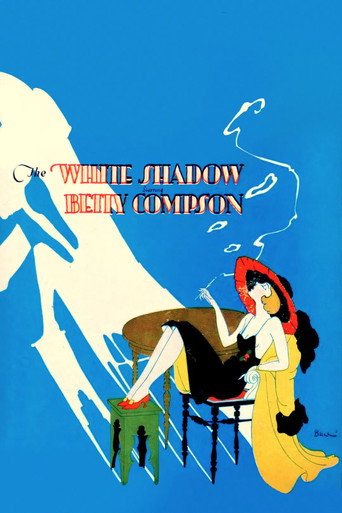
- Credited as an actor in The White Shadow (1924), one of the principal surviving references to his screen work
- Represents the type of little-documented silent-era performer whose name remains in filmographies despite scarce personal records
- Associated with an historically important early 1920s production connected to Alfred Hitchcock's formative period
Roles
- Role in The White Shadow (1924) is the only reliably documented screen role currently identifiable
Films
- The White Shadow (1924)
Notes
- He is chiefly identifiable today through a single known screen credit in The White Shadow (1924).
- No reliable birth or death details are currently established in widely accessible reference sources.
- He is an example of a silent-era performer whose name persists even though personal documentation has largely vanished.
- His film credit places him in the orbit of one of Alfred Hitchcock's early productions, giving his work historical significance beyond the obscurity of the role itself.
- Because of the limited record, he is best treated as a filmography entry supported by archival evidence rather than as a fully biographically documented public figure.
- His case illustrates how many silent-film actors remain under-researched compared with star performers of the same period.
Questions
Who was Maresco Marisini?
Maresco Marisini was a little-documented silent-era actor known from the 1924 film The White Shadow. Very little biographical information survives about him, so he is best understood as an obscure early-cinema performer whose name remains in cast records.
What films is Maresco Marisini best known for?
He is best known for The White Shadow (1924), which is the principal surviving screen credit associated with his name. No other firmly verified film appearances are currently established in the available record.
When was Maresco Marisini born and when did he die?
His birth and death dates are not currently documented in reliable, widely accessible sources. At present, the historical record does not provide enough evidence to state where or when he was born or whether he is deceased.
What awards did Maresco Marisini win?
No awards or nominations are documented for Maresco Marisini in the surviving record. His significance lies in his credited participation in early cinema rather than in formally recorded honors.
What was Maresco Marisini's acting style?
No detailed descriptions of his acting style survive. Since he is known primarily from a single silent-era credit, any assessment of his technique would be speculative.
Why is Maresco Marisini important to film history?
He is important as part of the historical cast record for The White Shadow and as an example of the many silent-era performers whose names survive even when their biographies do not. Such figures help film historians reconstruct the personnel and production networks of early cinema.