
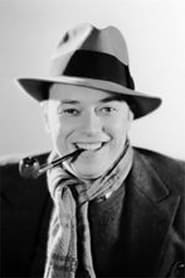
Robert Florey
Actor & Director
Born: September 14, 1900 in Paris, France Died: May 16, 1979 Active: 1923-1970 Birth Name: Robert Jules Florey
Films
3 films
About Robert Florey
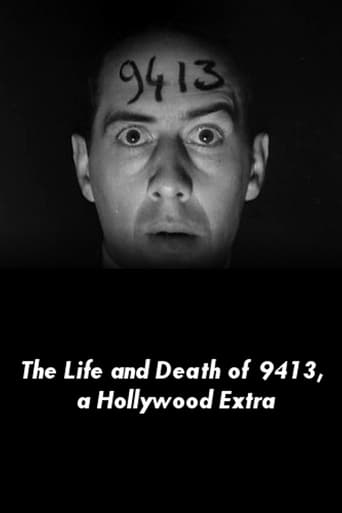
Made significant contributions during the transition from silent cinema to sound films. Born in Paris in 1900, he began his career as a film journalist and critic before moving to Hollywood in 1921. Florey gained early recognition for his avant-garde experimental short film 'The Life and Death of 9413: A Hollywood Extra' (1928), co-directed with Slavko Vorkapich, which showcased innovative visual techniques and social commentary. He directed the Marx Brothers' first feature film 'The Cocoanuts' (1929), successfully adapting their stage act to the screen and demonstrating his skill with early sound technology. Throughout the 1930s and 1940s, Florey became a prolific director at major studios, particularly known for his work in film noir and horror genres, including 'The Beast with Five Fingers' (1946) and 'The Crooked Way' (1949). He also directed numerous B-movies and low-budget productions, often bringing artistic flair to otherwise routine projects. Florey's over four decades, during which he directed more than 60 films and worked extensively in television in his later years. His experimental background and European sensibility brought a distinctive visual style to American cinema, particularly in his use of shadow, composition, and psychological themes.
The Craft
On Screen
While primarily known as a director, Florey did appear in 'The Life and Death of 9413: A Hollywood Extra' in a supporting role, demonstrating his understanding of performance from both sides of the camera.
Behind the Camera
Florey's directing style was characterized by his European artistic sensibility, innovative visual techniques, and ability to work efficiently within studio constraints. He was particularly skilled at creating atmospheric moods through lighting and composition, often employing German Expressionist influences. His early experimental work showed a penchant for avant-garde techniques, which he later adapted to commercial filmmaking. Florey was adept at handling both comedy and drama, with a special talent for psychological thrillers and film noir, where he used shadows and camera angles to enhance tension and mystery.
Milestones
- Directed the avant-garde masterpiece 'The Life and Death of 9413: A Hollywood Extra' (1928)
- Directed the Marx Brothers' first film 'The Cocoanuts' (1929)
- Pioneered early sound film techniques
- Directed classic film noir 'The Crooked Way' (1949)
- Created the horror classic 'The Beast with Five Fingers' (1946)
- Transitioned successfully to television directing in the 1950s-60s
- Directed over 60 feature films throughout his career
Best Known For
Iconic Roles
Must-See Films
Accolades
Won
- Academy Award nomination for Best Short Subject (Live Action) for 'The House of Rothschild' (1934)
Nominated
- Academy Award nomination for Best Short Subject (Live Action) for 'The House of Rothschild' (1934)
Special Recognition
- Honored at the Telluride Film Festival for his contributions to cinema
- Recognized by film historians as a pioneer of avant-garde filmmaking in Hollywood
Working Relationships
Worked Often With
Studios
Why They Matter
Impact on Culture
Robert Florey's most significant cultural impact came through his experimental short film 'The Life and Death of 9413: A Hollywood Extra,' which demonstrated that avant-garde cinema could exist within the Hollywood system. This film influenced countless experimental filmmakers and showed that social commentary and artistic innovation could be achieved even in commercial cinema. His successful direction of 'The Cocoanuts' helped establish the template for adapting stage comedy to film, influencing how comedy was filmed in the early sound era. Florey's work in film noir contributed to the development of the genre's visual language, particularly his use of shadows and psychological tension. His ability to bring artistic merit to low-budget productions proved that creativity wasn't dependent on big budgets, influencing generations of independent filmmakers.
Lasting Legacy
Robert Florey's legacy lies in his role as a bridge between European avant-garde cinema and Hollywood commercial filmmaking. He demonstrated that experimental techniques could enhance rather than hinder commercial success, paving the way for more artistic freedom in Hollywood. His early sound films showed how to use the new technology creatively rather than just as a recording device. Florey's extensive work in B-movies elevated the quality and artistic merit of genre films, influencing how studios approached lower-budget productions. His later career as an educator at USC ensured that his knowledge and experience were passed to future generations. Film scholars now recognize Florey as an important figure in the development of American cinema, particularly in the areas of sound film technique, film noir, and the integration of avant-garde elements into mainstream movies.
Who They Inspired
Florey influenced numerous filmmakers through his innovative visual techniques and his ability to work efficiently within studio systems while maintaining artistic integrity. His experimental approach influenced directors like Orson Welles and Alfred Hitchcock in their use of camera angles and psychological storytelling. His work in film noir helped establish the visual vocabulary that directors like Billy Wilder and Fritz Lang would later perfect. The way he brought European artistic sensibilities to Hollywood productions influenced other immigrant directors who followed. His success in adapting stage comedy to film influenced how comedy was directed throughout the 1930s and beyond. Many B-movie directors of the 1940s and 1950s learned from his example of bringing artistic flair to limited budgets.
Off Screen
Robert Florey emigrated from France to the United States in 1921, initially working as a film journalist for European publications. He married Virginia Florey, with whom he had one child. Florey was known for his intellectual approach to filmmaking and maintained connections with European artistic circles throughout his career. He was fluent in both French and English, which gave him unique advantages in Hollywood's international community. Florey was also an accomplished author, writing several books on cinema including 'Hollywood d'hier et d'aujourd'hui' and 'Polonais et Juifs'. His later years were spent teaching film at the University of Southern California, sharing his extensive knowledge with new generations of filmmakers.
Education
Studied at the Sorbonne in Paris, worked as film journalist and critic in France before moving to Hollywood
Family
- Virginia Florey (1930-1979)
Did You Know?
- Was originally considered to direct 'Frankenstein' (1931) before James Whale got the job
- His experimental short 'The Life and Death of 9413' cost only $97 to make
- Was one of the first directors to successfully adapt the Marx Brothers to film
- Spoke five languages fluently, which helped him work with international casts
- Wrote extensively about cinema theory and history in both French and English
- Was a close friend of Charlie Chaplin and worked as his assistant on several projects
- His film 'The Beast with Five Fingers' was one of Peter Lorre's most successful American films
- Directed episodes of many popular TV shows including 'The Twilight Zone' and 'Alfred Hitchcock Presents'
- Was instrumental in bringing German Expressionist techniques to American cinema
- His early career as a film critic gave him unique insights into what made films successful
In Their Own Words
The camera is not just a recording instrument, it's a creative tool that can transform reality into art.
In Hollywood, you learn to make art with one hand tied behind your back - the challenge is to make it look like you wanted it that way.
The best films are those that entertain while they enlighten, that move while they make you think.
Sound didn't kill silent cinema, it gave it a new voice - the problem was most directors didn't know how to make it speak.
Every film, no matter how small the budget, deserves to be treated as if it could change the world.
Frequently Asked Questions
Who was Robert Florey?
French-American on YTB.my. He was known for his experimental work, particularly 'The Life and Death of 9413: A Hollywood Extra,' and for directing the Marx Brothers' first film 'The Cocoanuts.' Florey directed over 60 films and was influential in developing film noir and horror genres.
What films is Robert Florey best known for?
Titles linked here include The Life and Death of 9413: A Hollywood Extra (1928), The Cocoanuts (1929).
When was Robert Florey born and when did he die?
Born September 14, 1900; died May 16, 1979.
What awards did Robert Florey win?
Robert Florey received an Academy Award nomination for Best Short Subject (Live Action) for 'The House of Rothschild' in 1934. While he didn't win major competitive awards during his career, he has been posthumously recognized by film scholars and festivals for his contributions to cinema, particularly in experimental filmmaking and early sound techniques.
What was Robert Florey's directing style?
Florey's directing style combined European artistic sensibilities with Hollywood commercial efficiency. He was known for his innovative visual techniques, atmospheric lighting, and ability to bring artistic merit to genre films. His background in experimental cinema influenced his use of camera angles, shadows, and psychological storytelling, particularly evident in his film noir and horror works.