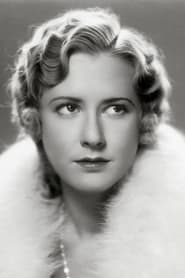
Mae Clarke
Actor
Born: August 16, 1910 in Philadelphia, Pennsylvania, USA Died: April 29, 1992 Active: 1930-1964 Birth Name: Violet Mary Klotz
Films
3 films
About Mae Clarke
Mae Clarke, born Violet Mary Klotz, was a versatile American actress who rose to prominence during the transition from silent films to talkies in the early 1930s. After beginning her career as a dancer and stage performer in Philadelphia and New York, she made her film debut in 1930 and quickly became one of Hollywood's most recognizable faces during the pre-Code era. Clarke's breakthrough came with her role as Elizabeth in Universal's horror classic 'Frankenstein' (1931), followed by her unforgettable performance as Mae in 'The Public Enemy' (1931), where James Cagney's grapefruit-smashing scene created one of cinema's most moments. Throughout the 1930s, she appeared in numerous films for major studios including Warner Bros., Universal, and MGM, often playing sophisticated leading ladies or troubled women of the world. Her over two decades, with her film appearances gradually decreasing in the 1940s and 1950s, though she continued working in television and smaller film roles until the early 1960s. Clarke's legacy endures through her contributions to early sound cinema and her memorable performances in some of Hollywood's most celebrated films from the Golden Age.
The Craft
On Screen
Mae Clarke was known for her naturalistic acting style that helped bridge the gap between theatrical silent film performances and the more subtle approach required for talkies. She possessed a unique ability to convey vulnerability and strength simultaneously, often portraying complex women who were both sophisticated and emotionally accessible. Her performances were characterized by clear diction, expressive eyes, and a modern sensibility that resonated with contemporary audiences of the early 1930s.
Milestones
- Breakthrough role in 'Frankenstein' (1931)
- Iconic grapefruit scene in 'The Public Enemy' (1931)
- Leading roles at Universal Studios in early 1930s
- Transition from silent films to talkies
- Worked with major directors like James Whale and William Wellman
- Appeared in over 80 films during her career
Best Known For
Iconic Roles
Must-See Films
Accolades
Special Recognition
- Hollywood Walk of Fame star (located at 6606 Hollywood Blvd)
Working Relationships
Worked Often With
Studios
Why They Matter
Impact on Culture
Mae Clarke made an indelible mark on American cinema through her roles in some of the most significant films of the early sound era. Her performance in 'The Public Enemy' created one of cinema's most enduring images - the grapefruit scene - which has been parodied and referenced countless times in popular culture, from cartoons to modern films. As Elizabeth in 'Frankenstein,' she helped establish the template for the classic horror film heroine, combining beauty with vulnerability in a way that influenced generations of horror cinema. Clarke's work during the pre-Code era exemplified the more adult, sophisticated storytelling that characterized Hollywood before the Production Code enforcement, making her an important figure in understanding this crucial transitional period in film history.
Lasting Legacy
Mae Clarke's legacy endures through her contributions to early Hollywood cinema and her iconic performances that continue to be studied and celebrated by film historians and enthusiasts. She represents the archetype of the versatile leading lady who successfully navigated the challenging transition from silent films to talkies, adapting her craft to meet the new demands of sound cinema. Her roles in landmark films like 'Frankenstein' and 'The Public Enemy' have secured her place in cinema history, while her extensive filmography provides valuable insight into the evolution of Hollywood storytelling during the Golden Age. Clarke's career shows the talent and resilience of actresses who helped shape American cinema during its most formative decades.
Who They Inspired
Mae Clarke influenced subsequent generations of actresses through her naturalistic acting style and ability to portray complex, multidimensional female characters. Her work demonstrated that actresses could be both glamorous and emotionally authentic, paving the way for more realistic performances in sound cinema. The grapefruit scene in 'The Public Enemy' became so iconic that it influenced how filmmakers would depict domestic conflict and power dynamics on screen for decades to come. Her portrayal of Elizabeth in 'Frankenstein' helped establish conventions for horror film heroines that would be referenced and reimagined throughout cinema history.
Off Screen
Mae Clarke had a colorful personal life marked by multiple marriages and relationships with prominent Hollywood figures. She was married three times: first to Stevens Bancroft from 1928 to 1930, then to Herbert Lang from 1937 to 1946, and finally to Edward Lasker from 1946 to 1954. She had no children from any of her marriages. In her later years, she struggled with health issues but remained active in Hollywood social circles and occasionally appeared at film festivals and retrospectives celebrating classic cinema.
Education
Attended public schools in Philadelphia, studied dance and dramatic arts locally before moving to New York to pursue professional training
Family
- Stevens Bancroft (1928-1930)
- Herbert Lang (1937-1946)
- Edward Lasker (1946-1954)
Did You Know?
- The famous grapefruit scene in 'The Public Enemy' (1931) was improvised by James Cagney and Mae Clarke during filming
- She was originally cast as the female lead in 'Dracula' (1931) but was replaced by Helen Chandler
- Her birth name was Violet Mary Klotz, which she changed to Mae Clarke when entering show business
- She began her career as a dancer in Broadway chorus lines before transitioning to acting
- During her peak years in the early 1930s, she was one of Hollywood's highest-paid actresses
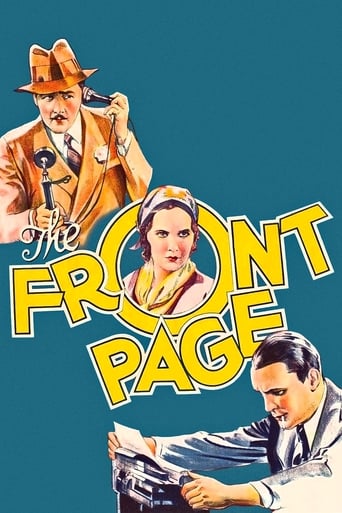
- She appeared in three different film adaptations of 'The Front Page' (1931, 1940, 1974) in various roles
- Her performance in 'Waterloo Bridge' (1931) was considered so powerful that it was remade multiple times
- She was a close friend of fellow actress Bette Davis during their Warner Bros. Years
- In her later years, she worked as a real estate agent in Los Angeles
- She was one of the few actresses to successfully work at all major Hollywood studios during the Golden Age
In Their Own Words
Being an actress in those days was wonderful. We worked hard, but we had fun. The studios took care of us - on the set, we had the best of everything.
That grapefruit scene. People still ask me about it after all these years. It was just another day's work for us then, but it became part of film history.
Frankenstein was a special picture. We knew we were making something different, something that would last. Boris Karloff was such a gentleman, and James Whale was a genius.
Frequently Asked Questions
Who was Mae Clarke?
American actress who rose to fame during the early sound era of Hollywood, best known for her roles in classic films like 'Frankenstein' (1931) and 'The Public Enemy' (1931). She was a versatile performer who successfully transitioned from silent films to talkies and appeared in over 80 films during her career spanning from 1930 to 1964.
What films is Mae Clarke best known for?
Titles linked here include Frankenstein (1931), The Public Enemy (1931).
When was Mae Clarke born and when did she die?
Born August 16, 1910; died April 29, 1992.
What awards did Mae Clarke win?
While Mae Clarke did not receive major competitive awards during her career, she was honored with a star on the Hollywood Walk of Fame located at 6606 Hollywood Blvd. This recognition acknowledges her significant contributions to American cinema, particularly during the Golden Age of Hollywood.
What was Mae Clarke's acting style?
Mae Clarke was known for her naturalistic acting style that helped bridge the gap between theatrical silent film performances and the more subtle approach required for talkies. She excelled at portraying complex, multidimensional characters with a unique blend of vulnerability and strength, making her particularly effective in dramatic roles during the pre-Code era.