
Ginger Rogers
Actor
- Born
- July 16, 1911, Independence, Missouri, USA
- Died
- April 25, 1995
- Active
- 1929-1987
- Birth name
- Virginia Katherine McMath
Films 1
About Ginger Rogers
Ginger Rogers was an American actress, singer, and dancer who became one of the defining stars of classic Hollywood, celebrated for her wit, charm, and extraordinary partnership with Fred Astaire. Born Virginia Katherine McMath in Independence, Missouri, she grew up in Texas and entered show business through vaudeville and stage performance before moving into films in the late 1920s and early 1930s. She appeared in early talkies and musical comedies, including Queen High in 1930, before rising to major stardom in RKO’s elegant Astaire-Rogers musicals. During the 1930s she proved that she was not merely a dance partner but a major dramatic actress as well, winning the Academy Award for Best Actress for Kitty Foyle in 1940. Rogers continued to work in film, radio, television, and stage over several decades, moving between musicals, comedies, dramas, and later character roles. Her screen persona combined sophistication, comedic timing, emotional intelligence, and a remarkable ability to make demanding dance routines look effortless. She remained an enduring symbol of Hollywood’s Golden Age, admired for both her technical skill and her warmth on screen.
More about Ginger Rogers
On screen
Rogers was known for a lively, intelligent, and emotionally accessible acting style that balanced elegance with down-to-earth wit. In musicals, she excelled at light comedy, expressive timing, and an ability to match Fred Astaire’s precision while maintaining her own individuality and screen authority. In dramatic roles, she brought restraint, credibility, and a natural emotional realism that helped her succeed beyond the musical genre. Her performances often conveyed self-possession, resilience, and a subtle comic spark that made her characters memorable and relatable.
In film history
Ginger Rogers became one of the most recognizable faces of 1930s Hollywood and a central figure in the history of the movie musical. Her partnership with Fred Astaire helped define the romantic elegance of the studio-era musical and established a standard for screen dancing that influenced countless later films. At the same time, her success in dramatic roles, especially Kitty Foyle, demonstrated that a performer known for light entertainment could also command serious critical respect. She helped broaden public expectations of what a musical star could do, combining glamour, comic intelligence, and emotional depth in a way that resonated with audiences across generations. Her persona also contributed to a lasting ideal of the modern, independent heroine in classic American cinema.
Later reputation
Rogers’ legacy rests on both artistry and adaptability: she was a consummate entertainer whose film work helped define the musical genre, and she was also an award-winning dramatic actress whose range expanded her reputation far beyond dancing. Her films with Fred Astaire remain among the most beloved and studied works in Hollywood history, admired for choreography, cinematography, and the apparent effortlessness of their performances. Kitty Foyle ensured that she would not be remembered merely as a dance partner, but as a major star capable of anchoring prestige drama. In film history, she stands as a model of classic stardom: technically accomplished, commercially successful, and culturally enduring. Her image and performances continue to shape how audiences and filmmakers think about romantic musical storytelling and the artistry of screen performance.
Influence
Rogers influenced generations of actresses, dancers, and musical performers by demonstrating that a performer could combine technical dance skill with strong acting and comic timing. Her screen partnership with Fred Astaire became a template for romantic musical chemistry, with later film pairings often measured against the elegance and balance they achieved together. She also influenced perceptions of female agency in musicals, as her characters often projected intelligence, independence, and emotional self-possession rather than passivity. Performers in both classic and modern cinema have drawn on her blend of glamour and relatability, and her dramatic success encouraged studios to cast musical stars in more serious roles.
Off screen
Ginger Rogers was born Virginia Katherine McMath and was raised largely by her mother and maternal family after her parents separated. Her mother, Lela, played a major role in guiding her early career, helping her move from regional performance into professional entertainment. Rogers married and divorced several times and remained a prominent figure in Hollywood social life, though she was also known for periods of privacy and independence. She did not have children. Beyond her film career, she was active in stage work, charitable activity, and public appearances, and she remained professionally engaged well past the classic studio era.
Education
She attended local schools in Texas and did not follow a conventional higher-education path, instead entering entertainment through vaudeville, stage work, and performance training in her youth.
Credits
- Broke into prominence in early talkies after work on stage and in vaudeville
- Starred in a string of celebrated RKO musicals with Fred Astaire, becoming one of Hollywood’s most famous dance partners
- Won the Academy Award for Best Actress for Kitty Foyle (1940), proving her range beyond musical comedy
- Established herself as a box-office and critical star in both comedy and drama throughout the 1930s and 1940s
- Appeared in memorable films such as 42nd Street, Flying Down to Rio, The Gay Divorcee, Top Hat, Swing Time, and Shall We Dance
- Built a long career across film, stage, radio, and television, remaining a recognized American screen icon for decades
- Received major lifetime recognition for her contributions to American cinema and popular culture
Roles
- Terry Rawlings in Top Hat
- Barkley 'Jerry' Travers’s dance partner and romantic lead in Flying Down to Rio
- Mimi Glossop in The Gay Divorcee
- Penny Carroll in Swing Time
- Dale Tremont in Shall We Dance
- Kitty Foyle in Kitty Foyle
Films
- 42nd Street
- Flying Down to Rio
- The Gay Divorcee
- Top Hat
- Swing Time
- Shall We Dance
- Kitty Foyle
- Bachelor Mother
Awards
- Academy Award for Best Actress for Kitty Foyle (1940)
- Honorary Academy Award lifetime recognition for her contributions to the screen and entertainment industry
- Golden Globe recognition for motion picture work and career achievement
- Various retrospective honors from film organizations celebrating her status as a Hollywood legend
Nominations
- Academy Award nomination for Best Actress for Kitty Foyle (1940)
- Academy Award nomination for Best Actress for Primrose Path (1940)
- Academy Award nomination for Best Actress for Tom, Dick and Harry (1941)
- Academy Award nomination for Best Actress for The Major and the Minor (1942)
- Academy Award nomination for Best Actress for Lady in the Dark (1944)
Honors
- Hollywood Walk of Fame star
- Recognition as one of the greatest classic Hollywood actresses in multiple film polls and retrospectives
- AFI and other film-history tributes acknowledging her place in American cinema
- Kennedy Center Honors recognition for lifetime contribution to the arts
Collaborators
- Fred Astaire
- Mark Sandrich
- George Stevens
- Kathryn Scola
- Ginger Rogers’ mother and early stage-management support from family
- Adolph Green and Betty Comden in later musical-related work and tributes
- James Stewart
- William Powell
- Ray Milland
Studios
- RKO Radio Pictures
- Paramount Pictures
- Warner Bros.
- 20th Century-Fox
- MGM
- Columbia Pictures
Family
- Jack Culpepper (1929-1931)
- Lew Ayres (1934-1941)
- Jack Briggs (1943-1949)
- Jacques Bergerac (1953-1957)
- William Marshall (1961-1971)
Notes
- She was born Virginia Katherine McMath, and 'Ginger' was a childhood nickname that stuck throughout her life and career.
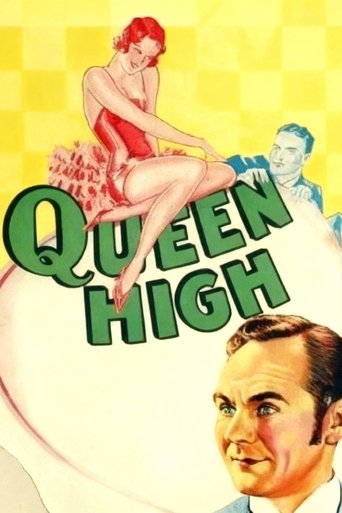
- She made one of her earliest screen appearances in Queen High (1930), fitting the early-talkie stage of her career.
- She is widely regarded as one half of the most famous dance partnership in classic Hollywood history with Fred Astaire.
- In their famous routines, Astaire and Rogers often made highly complex choreography appear graceful and effortless.
- She won the Academy Award for Best Actress for Kitty Foyle, one of the most important turning points in her career.
- Unlike some studio-era stars, she had major success in both musical comedies and serious dramas.
- She was an accomplished Broadway and stage performer before becoming a major film star.
- She remained active for decades after her 1930s peak, working in film and later television and stage projects.
- She was known for her versatility, moving from screwball comedy to romance to socially minded melodrama.
- Her partnership films with Astaire are still regularly revived and studied for choreography, composition, and star chemistry.
Quotes
Ginger Rogers is not widely documented as having a single universally accepted signature quote comparable to some other stars, but she was frequently celebrated in contemporary publicity for her wit and self-awareness.
Contextually, she often emphasized professionalism and hard work in performance, particularly in discussions of dancing and screen acting, rather than presenting herself as simply glamorous.
Questions
Who was Ginger Rogers?
Ginger Rogers was a major American actress, singer, and dancer of classic Hollywood, famous for her film musicals with Fred Astaire and her Academy Award-winning dramatic performance in Kitty Foyle. She was one of the great stars of the 1930s and 1940s, admired for her charm, versatility, and screen intelligence.
What films is Ginger Rogers best known for?
She is best known for 42nd Street, Flying Down to Rio, The Gay Divorcee, Top Hat, Swing Time, Shall We Dance, Kitty Foyle, and Bachelor Mother. Her Astaire-Rogers musicals are especially celebrated as landmarks of the classic American movie musical.
When was Ginger Rogers born and when did she die?
She was born on July 16, 1911, in Independence, Missouri, USA. She died on April 25, 1995, in Rancho Mirage, California, USA.
What awards did Ginger Rogers win?
Her most important award was the Academy Award for Best Actress for Kitty Foyle (1940). She also received an honorary Academy Award and other lifetime recognition, along with numerous tributes honoring her place in film history.
What was Ginger Rogers's acting style?
Her style blended sparkling comic timing, emotional warmth, and a polished screen presence that worked equally well in musicals and dramas. In dance films, she matched precision with ease, while in serious roles she favored naturalism and restraint.
Why is Ginger Rogers important in film history?
She helped define the classic Hollywood musical and became one of its most beloved stars through her work with Fred Astaire. At the same time, her dramatic success proved she was a complete actress, making her one of the most important and versatile performers of the studio era.