Fred Astaire
Actor
Born: May 10, 1899 in Omaha, Nebraska, USA Died: June 22, 1987 Active: 1925-1981 Birth Name: Frederick Austerlitz
Films
2 films
About Fred Astaire
Fred Astaire was born Frederick Austerlitz in Omaha, Nebraska, and began his career in vaudeville alongside his sister Adele before transitioning to Broadway in the 1920s. He made his film debut in 1933 with 'Dancing Lady' and quickly became one of Hollywood's most beloved musical stars, particularly through his partnership with Ginger Rogers at RKO Pictures in the 1930s. Astaire revolutionized dance on film with his innovative choreography, technical precision, and seemingly effortless style, often performing complex numbers in single, unedited takes. After Rogers, he continued his successful career dancing with partners like Eleanor Powell, Cyd Charisse, and Judy Garland, while also branching into dramatic roles in films like 'On the Beach' and 'The Towering Inferno'. He received an honorary Academy Award in 1950 for his unique artistry and contributions to motion pictures, and continued performing into his 70s, with his final film appearance in 1981. Astaire's influence extended beyond film to television, where he hosted his own specials and appeared in various shows, cementing his status as an American cultural icon and one of the greatest entertainers of the 20th century.
The Craft
On Screen
Astaire was known for his light, sophisticated comedic touch and charming screen presence, often playing the debonair gentleman dancer. His acting style was characterized by understated elegance and natural charm, never overshadowing his dancing but complementing it perfectly. He had a unique ability to make complex dance sequences appear effortless while maintaining character development throughout musical numbers. In his dramatic roles, he displayed remarkable versatility, moving from light comedy to serious dramatic performances with equal skill.
Milestones
- Legendary partnership with Ginger Rogers (1933-1939)
- Honorary Academy Award for unique artistry (1950)
- Transition to dramatic acting in the 1950s-70s
- Television specials and variety show appearances
- Kennedy Center Honors recipient (1978)
- AFI Life Achievement Award (1981)
- Revolutionary dance techniques and choreography
- Successful career spanning six decades
Best Known For
Iconic Roles
Must-See Films
Accolades
Won
- Academy Honorary Award (1950)
- Golden Globe for Best Actor - Motion Picture Musical or Comedy (1975)
- BAFTA Award for Most Promising Newcomer (1936)
- National Board of Review Award for Best Acting (1937)
Nominated
- Academy Award for Best Actor - 'The Towering Inferno' (1974)
- Academy Award for Best Actor - 'The Bells of St. Mary's' (1945)
- Golden Globe for Best Actor - 'The Towering Inferno' (1974)
- Golden Globe for Best Actor - 'Finian's Rainbow' (1968)
- Emmy Award for Outstanding Single Performance by an Actor in a Leading Role (1959)
- Emmy Award for Outstanding Single Performance by an Actor in a Leading Role (1961)
Special Recognition
- Kennedy Center Honors (1978)
- AFI Life Achievement Award (1981)
- Hollywood Walk of Fame Star (1960)
- National Medal of Arts (1989, posthumous)
- Presidential Medal of Freedom (posthumously considered)
- Grammy Hall of Fame inductions for multiple recordings
- U.S. Postal Service commemorative stamp (1999)
- Inducted into the International Dance Hall of Fame
Working Relationships
Worked Often With
Studios
Why They Matter
Impact on Culture
Fred Astaire fundamentally transformed dance in cinema, elevating it from mere spectacle to an integral part of storytelling and character development. His innovative use of camera techniques to capture dance sequences, including his insistence on full-body shots and minimal editing, set new standards for filming choreography. Astaire's sophisticated style and technical perfection influenced not only film but also Broadway, television, and popular dance culture worldwide. He helped establish the Hollywood musical as a legitimate art form and created a template for the male dancer as a romantic lead that persists in entertainment today. His influence extended to fashion, setting trends in men's formal wear, and to music, with many of his songs becoming standards.
Lasting Legacy
Fred Astaire's legacy endures as the gold standard for dance in film, with his techniques and style still studied by dancers and choreographers today. He is consistently ranked among the greatest screen performers of all time, with the American Film Institute naming him the fifth greatest male star of Classic Hollywood cinema. His films remain popular through home media and television, introducing new generations to his artistry. The term 'Astaire-like' has become synonymous with effortless grace and technical perfection in dance. His influence can be seen in countless performers, from Gene Kelly to Michael Jackson, and his work continues to inspire contemporary musical films and television shows. The preservation and restoration of his films ensure that his contributions to cinema will continue to be appreciated by future audiences.
Who They Inspired
Astaire's influence on dance and film is immeasurable, directly inspiring performers like Gene Kelly, who adapted and expanded upon his innovations. His choreographic techniques, particularly his integration of props and everyday objects into dance routines, have been emulated by countless dancers and performers. Michael Jackson cited Astaire as a major influence, particularly in his use of rhythm and musicality in movement. Contemporary musical theater and film choreographers regularly reference Astaire's work, and his approach to filming dance sequences continues to influence directors and cinematographers. His perfectionism and artistic standards set a benchmark for excellence in performance that continues to inspire artists across various disciplines.
Off Screen
Fred Astaire was married twice, first to socialite Phyllis Potter from 1933 until her death in 1954, with whom he had two children, Fred Jr. And Ava. He married horse jockey Robyn Smith in 1980, seven years before his death from pneumonia at age 88. Astaire was known for his perfectionism and intense work ethic, often rehearsing dance numbers for hundreds of hours. Despite his fame, he remained relatively private and was known for his humility and dedication to his craft. He was an avid horse racing enthusiast and owned several racehorses with his second wife.
Education
Limited formal education; attended local schools in Omaha and later in New York, but left to pursue dance career with his sister Adele. Trained extensively in dance from childhood, studying ballet, tap, and ballroom dancing.
Family
- Phyllis Potter (1933-1954)
- Robyn Smith (1980-1987)
Did You Know?
- Astaire's first screen test for MGM reportedly stated 'Can't act. Can't sing. Balding. Can dance a little.'
- He insisted on filming dance sequences with full-body shots in single takes to showcase the complete choreography.
- Astaire's dance shoes had steel taps on the heels and toes to create his distinctive sound.
- He was a skilled horseman and owned several successful racehorses.
- Astaire made his film debut at age 34, considered old for a Hollywood leading man.
- He was an accomplished amateur photographer and took many behind-the-scenes photos on his film sets.
- Astaire turned down the role in 'The Wizard of Oz' that eventually went to Jack Haley (the Tin Man).
- He performed with his sister Adele on Broadway for 20 years before coming to Hollywood.
- Astaire — perfectionist who rehearsed some dance numbers over 100 times.
- He was one of the first performers to receive a percentage of his films' profits.
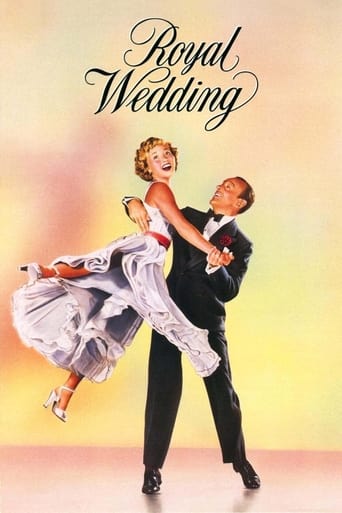
- Astaire's dance with a coat rack in 'Royal Wedding' was achieved using innovative camera techniques.
- He was offered a knighthood by the British government but declined.
- Astaire's final public performance was in 1981 at age 81.
- He never retired, stating 'I'm not going to quit as long as I'm having fun.'
In Their Own Words
The higher up I go, the more amazed I am by Fred Astaire's dancing. - Gene Kelly
I don't want to be the oldest dancer in town, I want to be the youngest dancer in town. - Fred Astaire
I'm a very lucky man and I'm thankful for everything that has happened. - Fred Astaire
Either I'm dancing or I'm not. There's no in-between. - Fred Astaire
Some people seem to think that I'm teaching them to dance. I'm not. I'm teaching them to feel. - Fred Astaire
The hardest job kids face today is learning good manners without seeing any. - Fred Astaire
I just put my feet in the air and move them around. - Fred Astaire (when asked about his dancing technique)
Old age is like everything else. To make a success of it, you've got to start young. - Fred Astaire
Frequently Asked Questions
Who was Fred Astaire?
American dancer, singer, with credits in this catalog. He revolutionized dance in cinema through his legendary partnership with Ginger Rogers and his subsequent solo career, setting new standards for technical excellence and artistic innovation in musical films.
What films is Fred Astaire best known for?
Titles linked here include Top Hat (1935), Swing Time (1936).
When was Fred Astaire born and when did he die?
Born May 10, 1899; died June 22, 1987.
What awards did Fred Astaire win?
Astaire received an honorary Academy Award in 1950 for his unique artistry and contributions to motion pictures. He also won a Golden Globe for 'The Towering Inferno' (1974), received the Kennedy Center Honors (1978), and was honored with the AFI Life Achievement Award (1981). He was nominated for the Best Actor Oscar twice.
What was Fred Astaire's dancing style?
Astaire's style was characterized by technical precision, effortless grace, and innovative choreography. He was known for his ballroom and tap dancing, often incorporating props and everyday objects into routines. His filming technique emphasized full-body shots and minimal editing to showcase complete choreography, revolutionizing how dance was captured on film.
Did Fred Astaire have any famous dance partners?
While Ginger Rogers remains his most famous partner from their 10 films together, Astaire also danced with Eleanor Powell, Cyd Charisse, Judy Garland, Audrey Hepburn, Leslie Caron, and Barrie Chase in his television specials. Each partnership showcased different aspects of his versatile dancing abilities.
How did Fred Astaire influence later performers?
Astaire influenced generations of performers including Gene Kelly, who adapted his innovations, and Michael Jackson, who cited him as a major influence. His techniques in filming dance, choreographic innovations, and integration of dance into storytelling continue to influence contemporary musical films and performers across various genres.