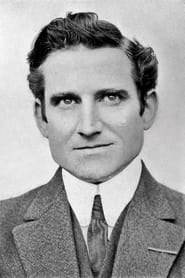
Murdock MacQuarrie
Actor
Born: June 25, 1878 in San Francisco, California, USA Died: August 20, 1951 Active: 1912-1939 Birth Name: Murdo MacQuarrie
Films
2 films
About Murdock MacQuarrie
American character actor of the silent film era — known for his commanding presence and versatile performances. Born in 1878 in San Francisco, California, he began his acting career on the stage before transitioning to motion pictures in the early 1910s. MacQuarrie quickly established himself as a reliable character actor at Universal Studios, where he appeared in numerous Westerns and dramas throughout the 1910s. His most notable collaborations were with director Francis Ford and his younger brother John Ford, appearing in many of their early silent films. MacQuarrie's the entire silent era and continued into the early sound period, though he primarily worked in smaller, uncredited roles during the talkie era. He was particularly skilled at playing authority figures, villains, and paternal characters, bringing gravitas and depth to even minor roles. By the late 1930s, his screen appearances had diminished, but he left behind a substantial body of work that exemplified the craft of silent film acting. He passed away in 1951, having witnessed the complete transformation of cinema from its primitive beginnings to the sophisticated medium it had become.
The Craft
On Screen
MacQuarrie was known for his naturalistic yet expressive acting style, which adapted well to the demands of silent cinema. He employed subtle facial expressions and controlled gestures to convey emotion, avoiding the exaggerated mannerisms common in early silent films. His stage background gave him a commanding presence and clear diction that served him well in both silent and sound pictures. MacQuarrie specialized in bringing depth to character roles, often playing authority figures with a mixture of sternness and underlying warmth.
Milestones
- Transition from stage to silent films in 1912
- Regular character actor at Universal Studios (1914-1920)
- Collaboration with the Ford brothers (Francis and John)
- Survived the transition from silent films to talkies
- Appeared in over 200 films during his career
Best Known For
Iconic Roles
Must-See Films
Accolades
Special Recognition
- Star on the Hollywood Walk of Fame
Working Relationships
Worked Often With
Studios
Why They Matter
Impact on Culture
Murdock MacQuarrie represents the archetype of the reliable character actor who formed the backbone of early Hollywood cinema. His work helped establish the conventions of character acting in silent films, particularly in the Western genre which was dominant during his peak years. MacQuarrie's ability to transition from stage to screen and later from silent films to talkies demonstrated the adaptability required of actors during this revolutionary period in cinema history. His collaborations with the Ford brothers contributed to the development of their distinctive directorial styles that would later transform American cinema.
Lasting Legacy
Murdock MacQuarrie's legacy lies in his substantial contribution to the foundation of American cinema through his extensive body of work in silent films. As one of Universal Studios' most reliable character actors, he helped establish the studio's reputation for quality productions in the 1910s. His active years covered the most transformative decades in film history, from the primitive one-reelers of the early 1910s to the sophisticated sound productions of the late 1930s. While not a major star, MacQuarrie's consistent performances in supporting roles provided essential structure and depth to countless films, exemplifying the crucial role character actors play in cinema. His work continues to be studied by film historians and silent film enthusiasts as representative of the craft of silent film acting.
Who They Inspired
MacQuarrie influenced subsequent generations of character actors through his demonstration of how to build a sustainable career in supporting roles. His naturalistic acting style, which avoided the excesses common in early silent films, helped pave the way for more subtle approaches to screen performance. His longevity in the business provided a model for other actors facing the transition from silent to sound films. The professionalism and consistency he brought to his work set standards for character actors that continue to be relevant in contemporary cinema.
Off Screen
Murdock MacQuarrie led a relatively private life away from the cameras, maintaining a steady career through the tumultuous changes in the film industry. He was part of a family that embraced the arts, with his brothers also involved in entertainment. Despite the challenges faced by many silent film actors with the advent of sound, MacQuarrie managed to continue working, albeit in increasingly smaller roles. He was respected by his colleagues for his professionalism and reliability on set, qualities that helped sustain his long career in Hollywood.
Education
Educated in San Francisco; likely received formal theatrical training given his stage background
Family
- Norris MacQuarrie (1905-1951)
Did You Know?
- His birth name was Murdo MacQuarrie, but he used 'Murdock' professionally
- He appeared in over 200 films during his 27-year career
- Was a close friend and frequent collaborator of director John Ford
- His brother was actor and director Albert MacQuarrie
- Survived the 1906 San Francisco earthquake before moving to Los Angeles
- Often played the same type of character roles but brought unique depth to each
- Was one of the few silent actors who successfully transitioned to sound films
- Appeared in uncredited roles in several John Ford classics of the 1930s
- Was known for his distinctive mustache and authoritative presence
- His stage experience made him particularly skilled at projecting emotion without dialogue
In Their Own Words
The difference between stage acting and film acting is learning that the camera can see your thoughts.
In silent pictures, we had to speak with our eyes; now we must learn to listen with them.
Frequently Asked Questions
Who was Murdock MacQuarrie?
American character with credits in this catalog. He was known for his work with Universal Studios and frequent collaborations with directors Francis and John Ford, appearing in over 200 films throughout his career.
What films is Murdock MacQuarrie best known for?
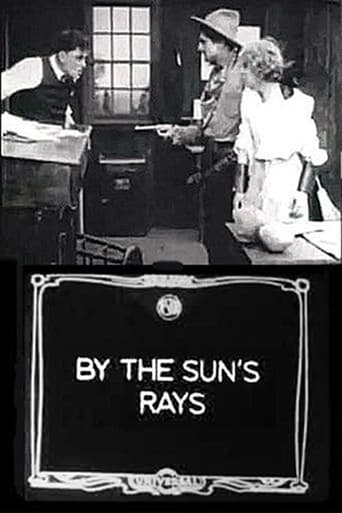
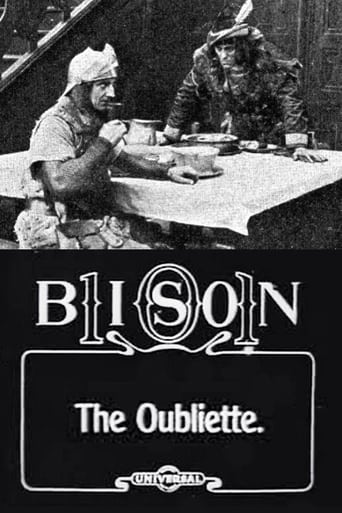
Titles linked here include By the Sun's Rays (1914), The Oubliette (1914).
When was Murdock MacQuarrie born and when did he die?
Born June 25, 1878; died August 20, 1951.
What awards did Murdock MacQuarrie win?
While Murdock MacQuarrie did not receive major acting awards during his lifetime, he was posthumously honored with a star on the Hollywood Walk of Fame in recognition of his contributions to the film industry.
What was Murdock MacQuarrie's acting style?
MacQuarrie was known for his naturalistic and controlled acting style, which was more subtle than typical silent film performances. His stage background gave him a commanding presence, and he specialized in bringing depth to character roles through expressive facial work and restrained gestures.
How did Murdock MacQuarrie transition from silent to sound films?
Unlike many silent film stars, MacQuarrie successfully made the transition to sound films, though primarily in smaller, often uncredited roles. His stage experience and clear diction helped him adapt, and he continued working through the 1930s in character parts.
What was Murdock MacQuarrie's relationship with John Ford?
MacQuarrie — frequent collaborator with both Francis Ford and his younger brother John Ford during their early careers. He appeared in many of their silent films and continued to work with John Ford in the sound era, often in uncredited character roles in Ford's classic Westerns.