Hank Worden
Actor
- Born
- July 23, 1901, Rolfe, Iowa, USA
- Died
- December 6, 1992
- Active
- 1937-1992
- Birth name
- Norton Earl Worden
Films 1
About Hank Worden
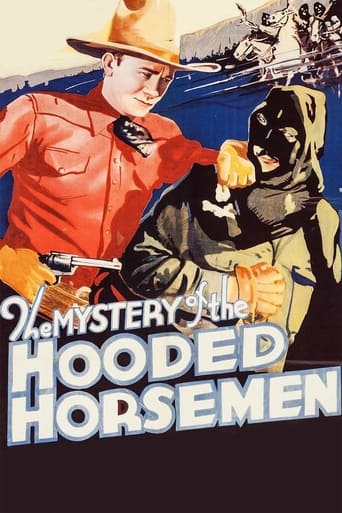
Hank Worden was an American character actor best remembered for his long, distinctive career in Westerns and for his unmistakable lanky frame, weathered face, and warm, comic presence. Born Norton Earl Worden on July 23, 1901, in Rolfe, Iowa, he grew up in the American West and eventually found his way into Hollywood after a varied early life that included work as a cowboy and rodeo performer. He began appearing in films in the late 1930s, with early credits including The Mystery of the Hooded Horsemen (1937), and soon became a familiar supporting player in Republic and other Western productions. Worden’s career expanded dramatically through his association with John Ford, who cast him in many films over several decades, including major Westerns that made him a beloved fixture of American cinema. He was especially admired for his ability to balance humor, pathos, and plainspoken authenticity, often playing eccentric old-timers, drifters, lawmen, or townspeople who seemed to come directly from the frontier world itself. In addition to Ford’s films, he appeared in many other notable productions and later reached new generations of audiences through television and late-career film appearances. Worden remained active for decades, becoming one of the most recognizable and enduring character actors in classic Hollywood, and he died on December 6, 1992, in Los Angeles, California.
More about Hank Worden
On screen
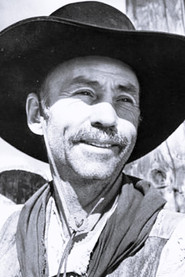
Worden’s acting style was understated, naturalistic, and rooted in authentic Western character work. He specialized in playing slightly odd, humble, or comic supporting figures whose humanity often emerged through subtle expressions, pauses, and a plainspoken delivery. His tall, lean physique and weathered features gave him an instantly recognizable silhouette, while his performances often blended dry humor with melancholy or shrewd observational wit. He was particularly effective in ensemble scenes, where he could create a vivid character with very little screen time.
In film history
Hank Worden became one of the great recognizable faces of the American Western, helping to shape the lived-in texture that classic Hollywood audiences associated with frontier stories. Though rarely a leading man, he contributed enormously to the credibility and atmosphere of Western films by embodying characters who felt drawn from real life rather than polished studio invention. His recurring presence in John Ford’s films helped establish the importance of the character actor as a crucial part of the genre’s emotional and visual identity. Worden’s gentle comic timing and eccentric authenticity made him a favorite among classic-film fans, and his performances continue to be cited as examples of how supporting actors can become essential to a film’s world-building.
Later reputation
Worden’s legacy rests on his extraordinary longevity, his association with some of the most revered Westerns ever made, and his ability to be instantly memorable in small parts. He is part of the indispensable supporting-cast tradition of classic Hollywood, where actors who were not major stars nonetheless helped define the tone, realism, and charm of the era’s best films. His work with John Ford especially secured his place in film history, since Ford’s Westerns remain central to the canon of American cinema. Today, Worden is remembered as one of the quintessential Western character actors: a performer whose face, voice, and manner made even brief appearances feel authentic and alive. His career also illustrates how a steady working actor can become culturally iconic without ever being a marquee name.
Influence
Worden influenced later character actors by showing how a highly individualized screen presence could leave a lasting impression without elaborate showy technique. His work demonstrated the power of restraint, timing, and physical identity in support roles, especially in Westerns where authenticity mattered as much as dialogue. Filmmakers and actors working in the genre have often looked to performers like Worden as models for creating memorable frontier atmospheres. His recurring presence in John Ford films also helped reinforce the idea that a repertory of trusted supporting players could deepen a director’s signature style.
Off screen
Hank Worden maintained a relatively private personal life compared with many Hollywood personalities, and most public attention centered on his film work rather than celebrity associations. He was known as a hardworking professional who moved comfortably between film sets, television work, and character parts that drew on his Western background. He did not cultivate a high-profile public persona, and surviving biographical accounts emphasize his modesty, longevity, and steady presence in the industry. He lived long enough to see his early Western work rediscovered by classic-film audiences and to benefit from renewed appreciation for his collaborations with John Ford.
Education
Formal educational background is not well documented in standard film-reference sources; he is generally identified more strongly with practical Western experience and early work as a cowboy and rodeo performer than with academic training.
Credits
- Began screen acting in 1937 and quickly became a dependable Western character actor
- Developed a long professional association with director John Ford, appearing in multiple Ford films across several decades
- Appeared in landmark Westerns and frontier dramas that helped define the American Western genre
- Worked steadily in film and television for more than half a century, becoming a familiar face to multiple generations of viewers
- Became especially memorable for his deadpan humor, gentle eccentricity, and authentic frontier mannerisms
Roles
- Blinky, the taciturn and memorable old prospector-type figure associated with John Ford Westerns
- Comic Western side characters and frontier bystanders who added texture to ensemble casts
- Plainspoken old-timers, drifters, and ranch hands in classic Western films
Films
- The Searchers
- The Man Who Shot Liberty Valance
- Rio Grande
- The Horse Soldiers
- The Comancheros
- She Wore a Yellow Ribbon
- The Quiet Man
- The Mystery of the Hooded Horsemen
Collaborators
- John Ford
- John Wayne
- Maureen O'Hara
- Victor McLaglen
- Ward Bond
- Ben Johnson
Studios
- Republic Pictures
- RKO Radio Pictures
- 20th Century-Fox
- Warner Bros.
- MGM
- Paramount Pictures
Notes
- He was born Norton Earl Worden, though he is known professionally as Hank Worden.
- He is often remembered as one of John Ford’s favorite character actors.
- His first screen year is commonly listed as 1937, beginning with The Mystery of the Hooded Horsemen.
- He was especially associated with Westerns, but he also worked in other genres and on television.
- His tall, gaunt appearance made him instantly recognizable even in small roles.
- He remained active in the industry for more than five decades.
- He is one of the classic Hollywood supporting actors whose face is widely recognized even when specific role names are not.
- His performances often mixed comedy, melancholy, and frontier authenticity.
Questions
Who was Hank Worden?
Hank Worden was an American character actor best known for Westerns and for his long association with director John Ford. He specialized in memorable supporting roles that brought humor, authenticity, and a weathered frontier presence to classic Hollywood films.
What films is Hank Worden best known for?
He is especially remembered for The Searchers, The Man Who Shot Liberty Valance, Rio Grande, The Horse Soldiers, The Comancheros, She Wore a Yellow Ribbon, and The Quiet Man. His early screen credit includes The Mystery of the Hooded Horsemen (1937).
When was Hank Worden born and when did he die?
He was born on July 23, 1901, in Rolfe, Iowa, USA, and died on December 6, 1992, in Los Angeles, California, USA. He lived to the age of 91.
What awards did Hank Worden win?
No major competitive film awards are widely documented for Hank Worden in standard reference sources. His recognition came more from his long career, his association with major Westerns, and his lasting popularity with classic-film audiences.
What was Hank Worden's acting style?
Worden’s style was understated, natural, and highly individualized, often built around dry humor and authentic Western mannerisms. He excelled at small but memorable supporting roles, using his distinctive appearance and timing to create characters that felt genuine and lived-in.
What was Hank Worden's legacy in film history?
His legacy lies in his status as one of the great character actors of the American Western. He helped define the texture of John Ford’s films and showed how supporting performers can become essential to the identity and atmosphere of classic cinema.