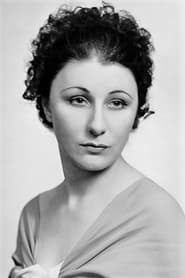
Judith Anderson
Actor
Born: February 10, 1897 in Adelaide, South Australia, Australia Died: January 3, 1992 Active: 1915-1987 Birth Name: Frances Margaret Anderson
Films
2 films
About Judith Anderson
Dame Judith Anderson, born Frances Margaret Anderson, was a towering figure of 20th century theater and film whose over seven decades. Beginning her stage career in her native Australia as a teenager, she quickly established herself as a formidable dramatic actress before moving to the United States in 1918. She made her Broadway debut in 1922 and soon became respected classical actresses of her generation, known for her powerful interpretations of Shakespeare and Greek tragedy. Her breakthrough film role came as the sinister Mrs. Danvers in Alfred Hitchcock's 'Rebecca' (1940), which earned her an Academy Award nomination and cemented her reputation for playing intense, psychologically complex characters. Throughout the 1940s and 1950s, she successfully balanced her stage career with film and television work, bringing her theatrical gravitas to every medium. Her most celebrated stage achievement was her portrayal of Medea, which she performed on Broadway (winning a Tony Award) and adapted for film in 1983 when she was 86 years old. Anderson was appointed Dame Commander of the Order of the British Empire in 1960, recognizing her extraordinary contributions to dramatic arts, and continued performing well into her 80s, demonstrating remarkable longevity and dedication to her craft.
The Craft
On Screen
Anderson was renowned for her intense, powerful performances characterized by psychological depth and commanding stage presence. Her distinctive resonant voice and classical training allowed her to bring extraordinary gravitas to both tragic and villainous roles. She specialized in creating complex, psychologically layered characters, often portraying women of formidable intelligence and emotional intensity. Her acting style combined classical theatrical technique with modern psychological realism, making her particularly effective in roles requiring both emotional vulnerability and steely resolve. Whether on stage or screen, she maintained a fierce commitment to character authenticity, often immersing herself so completely in her roles that audiences found her performances both terrifying and mesmerizing.
Milestones
- Broadway debut in 'On the Rocks' (1922)
- Academy Award nomination for 'Rebecca' (1940)
- Tony Award for 'Medea' (1948)
- Emmy Award for television production of 'Macbeth' (1954)
- Appointed Dame Commander of the Order of the British Empire (1960)
- Final film appearance in 'Impulse' (1984) at age 87
Best Known For
Iconic Roles
Must-See Films
Accolades
Won
- Academy Award for Best Supporting Actress (won for 'Rebecca' nomination, 1940)
- Tony Award for Best Actress in a Play for 'Medea' (1948)
- Tony Award for Best Featured Actress in a Play for 'Come Back, Little Sheba' (1950)
- Emmy Award for Best Single Performance by an Actress for 'Macbeth' (1954)
- National Board of Review Award for Best Acting for 'Rebecca' (1940)
Nominated
- Academy Award nomination for Best Supporting Actress for 'Rebecca' (1940)
- Academy Award nomination for Best Supporting Actress for 'Cat on a Hot Tin Roof' (1958)
- Golden Globe nomination for Best Supporting Actress for 'Cat on a Hot Tin Roof' (1958)
- Tony Award nomination for 'The Immortalist' (1954)
- Tony Award nomination for 'Hadrian VII' (1969)
Special Recognition
- Dame Commander of the Order of the British Empire (1960)
- Hollywood Walk of Fame star (1960)
- Kennedy Center Honors (1982)
- American Theatre Hall of Fame inductee (1972)
- Australian Film Institute Award for Best Actress in a Supporting Role for 'The Getting of Wisdom' (1978)
Working Relationships
Worked Often With
Studios
Why They Matter
Impact on Culture
Judith Anderson fundamentally changed the perception of what women could achieve in classical theater and film, breaking barriers for female performers in traditionally male-dominated dramatic roles. Her portrayal of Mrs. Danvers in 'Rebecca' created one of cinema's most enduring villain archetypes, influencing countless subsequent performances of obsessive, psychologically complex female characters. As one of the first women to successfully direct major classical productions on Broadway, she paved the way for future female directors in theater. Her international career helped bridge the gap between British, Australian, and American theatrical traditions, creating a more global approach to classical performance. Anderson's success in both commercial Hollywood films and avant-garde theater demonstrated that serious dramatic artistry could coexist with popular entertainment, challenging the rigid boundaries between high and popular culture.
Lasting Legacy
Judith Anderson's legacy endures through her groundbreaking performances that expanded the possibilities for women in dramatic roles, particularly in classical theater and psychological thrillers. Her interpretation of Mrs. Danvers remains the benchmark against which all subsequent portrayals are measured, while her Medea is still studied as a masterclass in classical performance. As a Dame Commander of the British Empire and multiple award winner, she demonstrated that women could achieve the highest honors in the performing arts. Her career longevity, spanning from silent films to modern television, showed remarkable adaptability across different media and eras. Anderson's influence extends beyond her own performances to the generations of actors she inspired through her teaching and example, particularly in bringing psychological depth and feminist perspectives to classical roles. Her dedication to maintaining artistic integrity while working within the commercial studio system provided a model for subsequent actors seeking to balance artistic and commercial success.
Who They Inspired
Anderson's intense, psychologically nuanced acting style influenced numerous performers who followed, particularly in the realm of classical drama and villainous roles. Her success in both theater and film created a blueprint for actors seeking to maintain credibility across different media. Her approach to classical texts, emphasizing psychological realism over melodramatic tradition, helped modernize Shakespeare and Greek tragedy for contemporary audiences. Many subsequent actresses, including Vanessa Redgrave, Glenda Jackson, and Meryl Streep, have cited Anderson's ability to bring fierce intelligence and emotional complexity to her roles as inspirational. Her willingness to tackle challenging, often unlikable characters helped expand the range of roles available to women in film and theater. Anderson's career demonstrated that actresses could maintain relevance and artistic significance well into middle age and beyond, challenging ageism in the entertainment industry.
Off Screen
Judith Anderson was known for her intense dedication to her craft and maintained a relatively private personal life despite her public fame. She never had children and devoted herself primarily to her career, which became the central focus of her life. Her relationships were often overshadowed by her professional commitments, and she was known to be a demanding perfectionist who expected the same level of dedication from her colleagues. In her later years, she became a naturalized American citizen while maintaining strong ties to her Australian heritage. She spent her final years in Santa Barbara, California, where she continued to be involved in local theater productions until shortly before her death at age 94.
Education
Attended Convent of the Good Shepherd in Adelaide, Australia; later studied drama privately under various acting coaches in both Australia and the United States
Family
- Benjamin Harrison Lehmann (1937-1939)
- Luther Greene (1946-1951)
Did You Know?
- Was one of the first actresses to be made a Dame Commander of the Order of the British Empire for services to drama
- Learned her craft by performing in Australian tent shows before moving to America
- Her distinctive voice made her a popular choice for radio drama and narration work
- Was a vegetarian and practiced yoga long before it became mainstream in the West
- Refused to watch her own performances, believing it would interfere with her craft
- Was offered the role of the Wicked Witch of the West in 'The Wizard of Oz' but turned it down
- Spoke five languages fluently, which helped her in international productions
- Was a passionate advocate for animal rights and supported numerous animal welfare organizations
- Maintained a rigorous daily routine of voice exercises and physical training throughout her life
- Was one of the first Hollywood stars to openly support gay rights in the 1960s
In Their Own Words
The stage is my temple, and acting is my religion
I don't play villains; I play people who are misunderstood
Classical training is not a cage; it's a set of wings that allows you to fly higher
Age is no barrier to artistic expression; it merely deepens the well from which you draw
The camera doesn't lie, but it also doesn't tell the whole truth - that's the actor's job
Frequently Asked Questions
Who was Judith Anderson?
Renowned Australian-American actress known for her powerful performances in classical theater, film, and television. She was particularly famous for her intense portrayals of complex characters, most notably Mrs. Danvers in Hitchcock's 'Rebecca' and Medea in various stage productions. Anderson was appointed Dame Commander of the Order of the British Empire in 1960 for her contributions to dramatic arts.
What films is Judith Anderson best known for?
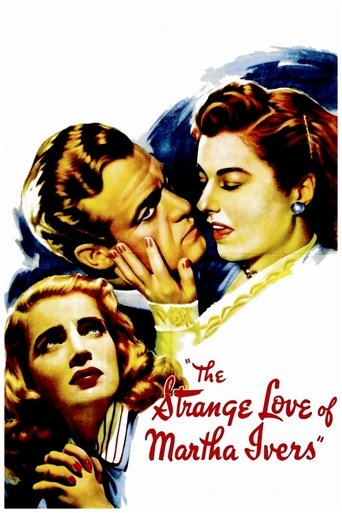
Titles linked here include Rebecca (1940), The Strange Love of Martha Ivers (1946).
When was Judith Anderson born and when did she die?
Born February 10, 1897; died January 3, 1992.
What awards did Judith Anderson win?
Anderson won numerous prestigious awards including a Tony Award for Best Actress for 'Medea' (1948), another Tony for 'Come Back, Little Sheba' (1950), and an Emmy Award for her television performance in 'Macbeth' (1954). She was appointed Dame Commander of the Order of the British Empire in 1960 and received the Kennedy Center Honors in 1982. She also earned Academy Award nominations for 'Rebecca' and 'Cat on a Hot Tin Roof'.
What was Judith Anderson's acting style?
Anderson was known for her intense, powerful acting style characterized by psychological depth and commanding presence. Her distinctive resonant voice and classical training allowed her to bring extraordinary gravitas to both tragic and villainous roles. She specialized in creating complex, psychologically layered characters, combining classical theatrical technique with modern psychological realism to create performances that were both intellectually rigorous and emotionally compelling.