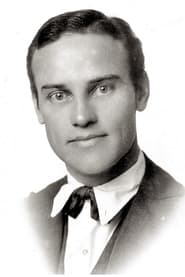
Warner Richmond
Actor
Born: June 11, 1886 in Racine, Wisconsin, USA Died: June 19, 1948 Active: 1921-1948
Films
6 films
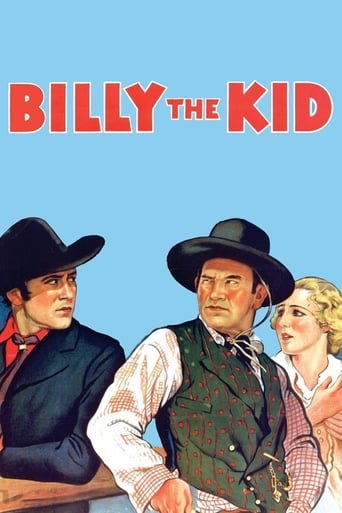

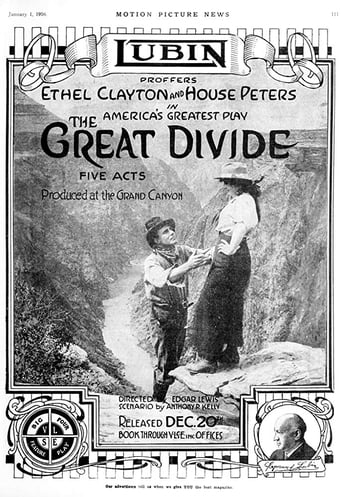
About Warner Richmond
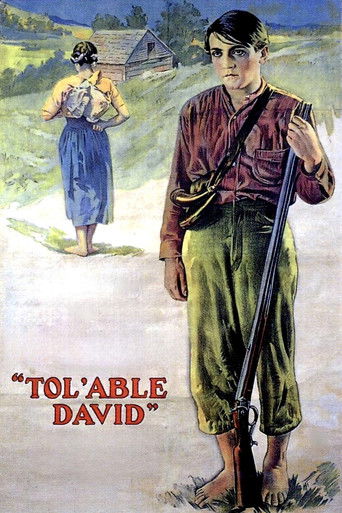
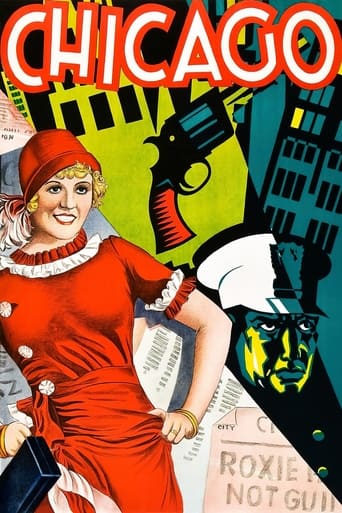
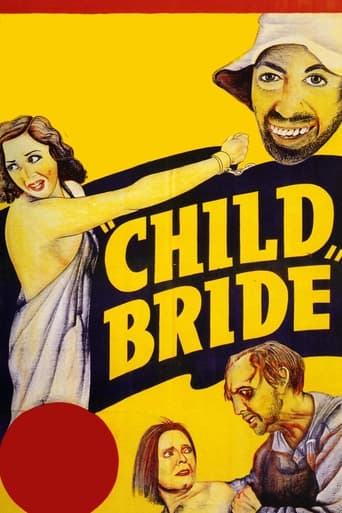
Prolific American character actor: the transition from silent films to early sound cinema. Beginning his film career in the early 1920s, Richmond quickly established himself as a reliable supporting player, often portraying villains, authority figures, or rugged western characters. His breakthrough role came in Henry King's acclaimed silent drama 'Tol'able David' (1921), where he played the menacing Luke Hatburn. Throughout the 1920s and 1930s, he appeared in over 200 films, working with major studios and frequently cast in westerns, crime dramas, and social commentary films. Richmond successfully made the transition to talkies, maintaining his screen presence in films like 'Chicago' (1927) and numerous Poverty Row productions. His later career saw him taking smaller roles in B-movies and serials, including the controversial 'Child Bride' (1942). Richmond's career exemplified the journey of many character actors of his era - steady work, versatility, and adaptation to the changing film industry.
The Craft
On Screen
Richmond was known for his imposing physical presence and ability to portray menacing or authoritative characters with convincing authenticity. His style was grounded in the theatrical tradition of the silent era, emphasizing clear physical expression and intense gazes that translated well to both silent and sound films. He specialized in playing antagonists, often bringing a subtle complexity to villainous roles that made them more than one-dimensional characters.
Milestones
- Breakthrough role as Luke Hatburn in 'Tol'able David' (1921)
- Notable performance in 'Chicago' (1927)
- Prolific career with over 200 film appearances
- Successful transition from silent to sound films
- Extensive work in western films and serials
Best Known For
Iconic Roles
Must-See Films
Working Relationships
Worked Often With
Studios
Why They Matter
Impact on Culture
Warner Richmond represents the archetype of the working character actor who formed the backbone of Golden Age Hollywood cinema. His extensive filmography provides a valuable record of the transition from silent to sound cinema, and his performances in socially conscious films like 'Tol'able David' contributed to the evolution of American film narrative. Richmond's work in westerns helped establish many of the character archetypes that would define the genre for decades. His ability to portray complex antagonists added depth to American cinema's exploration of morality and human nature during the formative years of the film industry.
Lasting Legacy
Warner Richmond's legacy lies in his contributions to over 200 films that helped shape American cinema during its most transformative decades. While never a leading man, his consistent presence in supporting roles provided crucial texture and authenticity to countless productions. Film historians and classic cinema enthusiasts recognize Richmond as an exemplar of the journeyman actor whose dedication to craft enabled the golden age of Hollywood to flourish. His performances continue to be studied for their effectiveness in establishing character archetypes, particularly in the western and crime drama genres.
Who They Inspired
Richmond influenced subsequent generations of character actors through his demonstration of how to build a sustainable career through versatility and reliability. His approach to villainous roles, which balanced menace with human complexity, provided a template for actors seeking to elevate antagonistic characters beyond simple evil. His successful navigation of the silent-to-sound transition offered a model for actors facing technological and industry changes.
Off Screen
Warner Richmond led a relatively private personal life away from the Hollywood spotlight. He married actress and fellow performer Violet Mersereau in 1920, though the marriage eventually ended in divorce. Richmond was known among his colleagues as a reliable professional who took his craft seriously, often working long hours on multiple film sets simultaneously. He lived primarily in the Los Angeles area during his active years, maintaining connections with the film community even as his roles diminished in size during the 1940s.
Family
- Violet Mersereau (1920-1925, divorced)
Did You Know?
- Appeared in over 200 films during his 27-year career
- Was a skilled horseman, which contributed to his frequent casting in westerns
- Worked as a stuntman in early films before transitioning to acting
- His role in 'Tol'able David' was considered particularly groundbreaking for its psychological depth
- Often worked without on-screen billing in his later career years
- Was one of the few actors to maintain steady employment through the Great Depression
- His final film appearance was posthumously released after his death
- Worked with both major studios and Poverty Row productions throughout his career
- Was known for his distinctive deep voice which served him well in talkies
- Appeared in several film serials, a popular format of the 1930s and 1940s
In Their Own Words
In the early days, we didn't have sound to help us. Every expression, every gesture had to tell the story.
Frequently Asked Questions
Who was Warner Richmond?
Prolific American character He was known for playing villains, authority figures, and western characters, with his most notable role being Luke Hatburn in the acclaimed silent film 'Tol'able David' (1921).
What films is Warner Richmond best known for?
Titles linked here include Tol'able David (1921), Chicago (1927).
When was Warner Richmond born and when did he die?
Born June 11, 1886; died June 19, 1948.
What awards did Warner Richmond win?
Despite his extensive filmography and contributions to cinema, Warner Richmond did not receive major industry awards during his lifetime. His recognition came primarily through his steady employment and the respect of his colleagues in the film industry.
What was Warner Richmond's acting style?
Richmond's acting style was characterized by his imposing physical presence and ability to convey menace and authority through subtle expressions and gestures. Rooted in silent film techniques, he successfully adapted to sound cinema, bringing psychological depth to his villainous and authoritative roles.