Isuzu Yamada
Actor
Born: February 5, 1917 in Osaka, Japan Died: July 9, 2012 Active: 1930s-2000s Birth Name: Mitsu Yamada
Films
2 films
About Isuzu Yamada
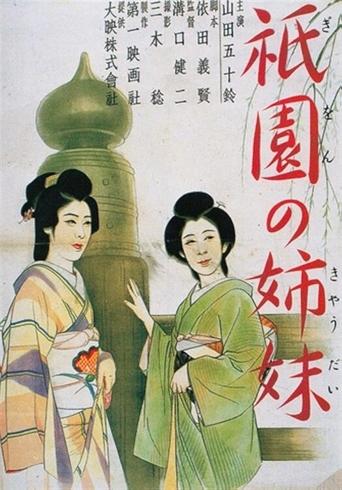
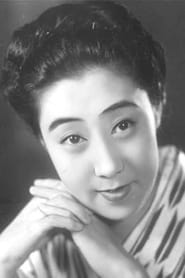
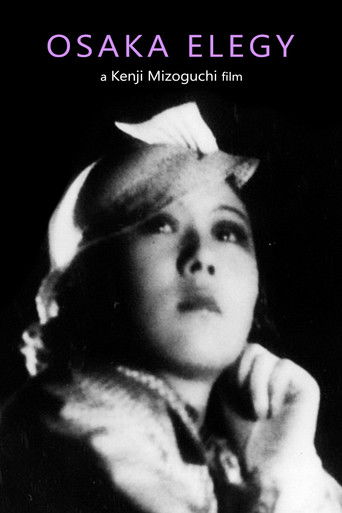
Isuzu Yamada was one of Japan's most and enduring actresses, whose remarkable over seven decades from the 1930s until her death in 2012. Born Mitsu Yamada in Osaka, she began her film career as a teenager and quickly rose to prominence with her performances in Kenji Mizoguchi's masterpieces 'Sisters of the Gion' and 'Osaka Elegy' in 1936. These films established her as a leading figure in Japanese cinema, showcasing her ability to portray complex, modern women struggling against societal constraints. Throughout the 1940s and 1950s, she became one of Japan's most bankable stars, working with directors including Akira Kurosawa, Yasujirō Ozu, and her then-husband Mikio Naruse. Her international breakthrough came with her role as Lady Asaji Washizu in Kurosawa's 'Throne of Blood' (1957), a masterful adaptation of 'Macbeth' that brought her critical acclaim worldwide. Unlike many of her contemporaries, Yamada successfully transitioned from film to television and stage in her later years, continuing to perform well into her 80s. She was honored as a Living National Treasure of Japan in 1995, recognizing her immense contributions to the performing arts and her status as a cultural icon.
The Craft
On Screen
Isuzu Yamada was renowned for her intense, naturalistic acting style that broke away from the theatrical traditions of early Japanese cinema. She possessed an extraordinary ability to convey complex emotions through subtle facial expressions and body language, bringing psychological depth to her characters. Her performances were characterized by a fierce independence and modern sensibility that resonated with audiences during Japan's rapid modernization. Yamada's technique involved complete immersion in her roles, often portraying strong-willed women who challenged traditional gender roles and societal expectations. Her collaboration with Kenji Mizoguchi particularly showcased her talent for portraying the struggles of women in patriarchal society, while her work with Kurosawa demonstrated her versatility in classical adaptations.
Milestones
- Breakout performances in 'Sisters of the Gion' and 'Osaka Elegy' (1936)
- Marriage to director Mikio Naruse and their collaborative films
- Iconic role as Lady Asaji in Kurosawa's 'Throne of Blood' (1957)
- Designated as a Living National Treasure of Japan (1995)
- Career spanning over 70 years with more than 200 film and television appearances
- Successful transition to stage and television in later years
- International recognition at film festivals worldwide
Best Known For
Iconic Roles
Must-See Films
Accolades
Won
- Japan Academy Prize for Outstanding Performance by an Actress in a Leading Role (1978)
- Mainichi Film Award for Best Actress (1947, 1950, 1956)
- Blue Ribbon Awards for Best Actress (1950, 1956)
- Kinema Junpo Award for Best Actress (1956)
- Order of Culture (1995)
- Person of Cultural Merit (1993)
Nominated
- Japan Academy Prize nomination for Best Actress (multiple years)
- International film festival recognitions at Venice and Berlin
Special Recognition
- Living National Treasure of Japan (1995)
- Order of the Sacred Treasure, Gold and Silver Star (2002)
- Person of Cultural Merit (1993)
- Honorary citizen of Tokyo
- Lifetime Achievement Award from the Japanese Academy
Working Relationships
Worked Often With
Studios
Why They Matter
Impact on Culture
Isuzu Yamada fundamentally transformed the representation of women in Japanese cinema, breaking away from traditional stereotypes to portray complex, independent female characters. Her performances in the 1930s and 1940s were revolutionary, depicting women who challenged societal norms and patriarchal structures during a period of rapid modernization in Japan. Yamada's work with directors like Mizoguchi helped establish a new cinematic language for expressing female consciousness and resistance. Her international success, particularly in Kurosawa's films, brought global attention to Japanese cinema and demonstrated the universal appeal of Japanese storytelling. Beyond her film work, Yamada became a cultural ambassador for Japan, embodying the intersection of traditional values and modern sensibility that defined post-war Japanese identity.
Lasting Legacy
Isuzu Yamada's legacy endures as. Her influence extends beyond her impressive filmography to include her role in establishing acting as a respected profession for women in Japan. The preservation of her films in international archives ensures that future generations can study her groundbreaking performances. Yamada's designation as a Living National Treasure cemented her status not just as an entertainer but as a guardian of Japanese cultural heritage. Her ability to adapt to changing times while maintaining artistic integrity serves as a model for performers worldwide, and her collaborations with Japan's greatest directors created some of the most revered works in world cinema.
Who They Inspired
Yamada's naturalistic acting style influenced generations of Japanese and international actors, particularly in her ability to convey complex emotions through subtlety rather than theatricality. Her portrayals of strong, independent women paved the way for more nuanced female characters in Japanese cinema. Directors like Nagisa Ōshima and Shohei Imamura cited her work as influential in their approach to depicting women on screen. International actresses, including those in European art cinema, studied her techniques for blending traditional and modern performance styles. Her success in both period and contemporary settings demonstrated the versatility required for long-term career sustainability in film, influencing how actors approach career development.
Off Screen
Isuzu Yamada's personal life was as dramatic as her film roles, marked by high-profile marriages and a dedication to her craft that never wavered. She married director Satsuo Yamamoto in 1936, though the marriage was short-lived, followed by a marriage to renowned director Mikio Naruse in 1952, which ended in divorce in 1956. Her third marriage was to actor Yoshi Katō, with whom she remained until his death in 1988. Despite the demands of her career, Yamada maintained strong family ties and was known for her professionalism and dedication to Japanese traditional arts. She was also an accomplished calligrapher and practitioner of traditional tea ceremony, embodying the cultural values she often portrayed on screen.
Education
Trained at the Shochiku film studio's acting school in the early 1930s, where she received formal instruction in traditional Japanese performing arts and modern acting techniques.
Family
- Satsuo Yamamoto (1936-1941)
- Mikio Naruse (1952-1956)
- Yoshi Katō (1958-1988)
Did You Know?
- Her stage name 'Isuzu' was inspired by the Isuzu River, considered sacred in Japanese mythology
- She appeared in over 200 films throughout her career, making her one of Japan's most prolific actresses
- Despite her fame, she remained humble and continued taking acting classes even in her 70s
- Her performance in 'Throne of Blood' was heavily influenced by traditional Noh theater techniques
- She was one of the first Japanese actresses to gain significant international recognition
- Yamada — skilled practitioner of traditional Japanese calligraphy, often creating her own artwork
- She continued performing on stage into her 90s, demonstrating remarkable longevity in her career
- Her films were frequently censored or edited during wartime Japan due to their critical social commentary
- She turned down several Hollywood offers to remain working in Japanese cinema
- Yamada was known for her intense preparation for roles, sometimes spending months researching characters
In Their Own Words
Acting is not about becoming someone else, but about finding the truth within yourself that connects to the character.
In every role, I search for the woman who refuses to be defeated by circumstance.
The camera captures not just the face, but the soul. One must be prepared to reveal everything.
Traditional arts are not constraints, but foundations upon which we build modern expression.
I have never acted for fame or recognition, but to give voice to those who cannot speak for themselves.
Frequently Asked Questions
Who was Isuzu Yamada?
Isuzu Yamada was one of Japan's most celebrated actresses, known for her groundbreaking performances in classic Japanese cinema from the 1930s through the 2000s. She worked with legendary directors like Kenji Mizoguchi and Akira Kurosawa, and was designated a Living National Treasure of Japan for her contributions to the performing arts.
What films is Isuzu Yamada best known for?
Titles linked here include Sisters of the Gion (1936), Osaka Elegy (1936).
When was Isuzu Yamada born and when did she die?
Born February 5, 1917; died July 9, 2012.
What awards did Isuzu Yamada win?
Yamada received numerous prestigious awards including multiple Mainichi Film Awards, Blue Ribbon Awards, and the Japan Academy Prize. She was also designated as a Living National Treasure of Japan in 1995 and received the Order of Culture, the country's highest cultural honor.
What was Isuzu Yamada's acting style?
Yamada was known for her intense, naturalistic acting style that broke away from theatrical traditions. She specialized in portraying complex, independent women who challenged societal norms, using subtle facial expressions and body language to convey deep emotional states. Her technique influenced generations of actors in Japan and internationally.