Films
2 films
About Vyacheslav Novikov
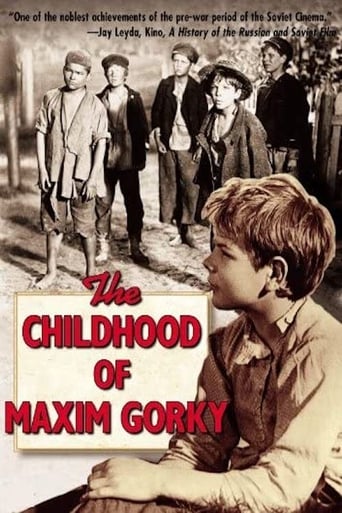
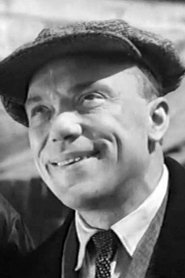
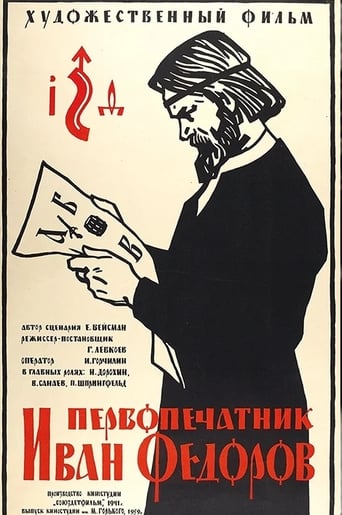
Soviet actor active during the late 1930s and early 1940s, appearing in notable films of the Stalinist era. His career, though brief, coincided with a significant period in Soviet cinema when historical and biographical films were heavily promoted by the state. Vyacheslav appears in 'The Childhood of Maxim Gorky' (1938), a prestigious adaptation of the famous Soviet writer's early life, which was part of a trilogy about Gorky. His role in 'First Printer Ivan Fedorov' (1941) further demonstrated his involvement in Soviet historical cinema, which often celebrated figures who contributed to Russian cultural and technological advancement. Novikov's acting career was likely impacted by World War II, as many Soviet film productions were disrupted during this period. His filmography, while limited, represents the type of socially conscious cinema promoted during this era of Soviet history.
The Craft
On Screen
Likely employed the realistic yet heroic acting style characteristic of Soviet socialist realism cinema of the 1930s-40s, emphasizing character development that served ideological and educational purposes
Milestones
- Appeared in 'The Childhood of Maxim Gorky' (1938)
- Starred in 'First Printer Ivan Fedorov' (1941)
- Worked during the golden age of Soviet historical cinema
Best Known For
Iconic Roles
Must-See Films
Working Relationships
Worked Often With
Studios
Why They Matter
Impact on Culture
Vyacheslav Novikov contributed to Soviet cinema during a period when film was used as a powerful tool for education and ideological messaging. His participation in historical and biographical films helped shape Soviet cultural memory by bringing important literary and historical figures to life on screen. These films were part of a broader effort to create a Soviet cultural identity that celebrated both revolutionary heroes and contributors to Russian cultural heritage.
Lasting Legacy
While not widely known internationally, Novikov's work represents the contributions of the many actors who formed the backbone of Soviet cinema during its formative years. His appearances in historically significant Soviet films preserve a record of the acting styles and cinematic approaches of the era, providing insight into how Soviet society chose to represent its cultural and historical figures through the medium of film.
Who They Inspired
As a supporting actor in major Soviet productions, Novikov was part of the ensemble that helped establish the conventions of Soviet historical and biographical cinema, influencing how future generations of Soviet actors would approach similar roles.
Off Screen
Very limited information is available about Vyacheslav Novikov's personal life, which was not uncommon for Soviet actors of his generation who were not among the most prominent stars of the era.
Did You Know?
- Appeared in films during the Stalinist era when Soviet cinema was heavily state-controlled
- Worked on 'The Childhood of Maxim Gorky', which was part of a trilogy about the famous Soviet writer
- His film active years covered only three years, likely interrupted by World War II
- Participated in the genre of Soviet historical cinema that celebrated cultural and technological pioneers
- His work represents the typical career trajectory of many Soviet actors who were not among the top stars of the era
Frequently Asked Questions
Who was Vyacheslav Novikov?
Soviet with credits in this catalog. He was part of the Soviet film industry during the Stalinist era.
What films is Vyacheslav Novikov best known for?
Titles linked here include The Childhood of Maxim Gorky (1938), First Printer Ivan Fedorov (1941).
When was Vyacheslav Novikov active in film?
Vyacheslav Novikov was active as an actor from 1938 to 1941, a brief but significant period in Soviet cinema history that was interrupted by World War II.
What was the acting style of Vyacheslav Novikov?
Novikov likely employed the realistic yet heroic acting style characteristic of Soviet socialist realism cinema of the 1930s-40s, which emphasized character development that served ideological and educational purposes.
What was the significance of Novikov's films?
His films were part of Soviet efforts to create cultural identity through cinema, celebrating both revolutionary figures and contributors to Russian cultural heritage during a period when film was used as an educational and ideological tool.