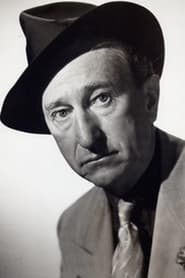
Olin Howland
Actor
Born: February 10, 1886 in Denver, Colorado, USA Died: September 20, 1959 Active: 1922-1947
Films
3 films
About Olin Howland
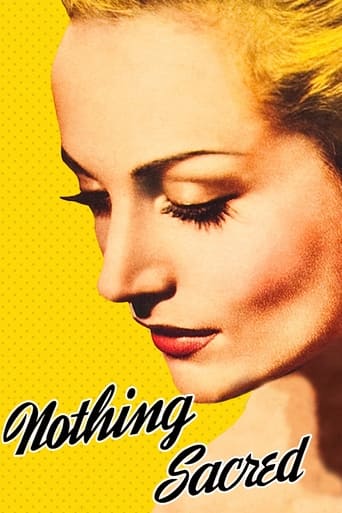
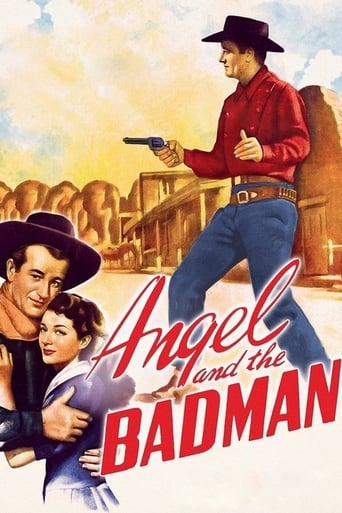
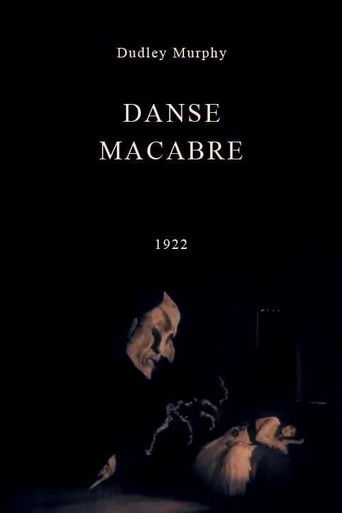
Prolific American character actor: the transition from silent films to sound cinema, making him a versatile presence in Hollywood for over three decades. Born in Denver, Colorado, he began his acting career on the stage before transitioning to films in the early 1920s, appearing in the silent horror film Danse macabre in 1922. Throughout the silent era, he honed his craft playing various supporting roles, developing a reputation for his ability to portray eccentric and memorable characters. With the advent of sound, Howland successfully made the transition to talkies, his distinctive voice and comic timing serving him well in the new medium. He became a familiar face in Hollywood, appearing in over 200 films between 1922 and 1947, often playing quirky sidekicks, nervous types, or comic relief characters. His performance in Nothing Sacred (1937) alongside Carole Lombard showcased his comedic talents, while his role in Angel and the Badman (1947) with John Wayne demonstrated his versatility in Westerns. Howland retired from acting in the late 1940s, leaving behind a legacy as one of Hollywood's most reliable and recognizable character actors.
The Craft
On Screen
Howland was known for his distinctive character portrayals, often playing nervous, eccentric, or comically flustered individuals. His acting style combined physical comedy with expressive facial gestures and a unique vocal delivery that made his characters instantly recognizable. He had a particular talent for playing small-town types, anxious clerks, and comic sidekicks, bringing authenticity and humor to even the most minor roles. His ability to quickly establish character traits made him a valuable supporting player in ensemble casts.
Milestones
- Film debut in Danse macabre (1922) during the silent era
- Successful transition from silent films to talkies
- Memorable comic performance in Nothing Sacred (1937)
- Prolific career with over 200 film appearances
- Final film appearance in Angel and the Badman (1947)
- Established himself as a reliable character actor in Hollywood's Golden Age
Best Known For
Iconic Roles
Must-See Films
Accolades
Special Recognition
- Hollywood Walk of Fame Star
Working Relationships
Worked Often With
Studios
Why They Matter
Impact on Culture
Olin Howland contributed significantly to the fabric of Golden Age Hollywood cinema through his consistent and reliable character performances. His ability to instantly create memorable characters, even with limited screen time, helped establish the importance of supporting actors in creating fully realized film worlds. Howland's work exemplified the studio system's strength in developing a roster of dependable character actors who could elevate any production with their presence. His performances in classic films like The Grapes of Wrath and The Maltese Falcon, while often brief, added authenticity and texture to these cinematic masterpieces.
Lasting Legacy
Olin Howland's legacy endures as proof of the crucial role character actors played in Hollywood's Golden Age. With over 200 film appearances, he represents the backbone of classic cinema - the reliable supporting players who made leading stars shine and brought depth to every production. His ability to transition successfully from silent films to talkies demonstrated the adaptability required of actors during this transformative period in film history. Modern film historians and classic cinema enthusiasts continue to recognize and appreciate his contributions to some of the most beloved films of the 1930s and 1940s.
Who They Inspired
Howland influenced subsequent generations of character actors through his demonstration of how to create memorable impressions with limited material. His technique of combining physical comedy with distinctive vocal patterns became a model for actors specializing in eccentric character roles. Younger actors studying classic cinema often point to performers like Howland as examples of how to maximize impact in supporting roles, showing that even brief appearances can leave lasting impressions on audiences.
Off Screen
Olin Howland was known as a private individual who kept his personal life largely out of the public eye. Despite his prolific film career, he maintained a relatively low profile off-screen and was respected by his colleagues for his professionalism and dedication to his craft. He was described by contemporaries as a humble and hardworking actor who took pride in his ability to bring depth to even the smallest roles.
Education
Educated in Denver public schools, later studied drama and theater arts
Family
- Ruth Hinds (1915-1930)
Did You Know?
- Appeared in over 200 films during his 25-year career
- Successfully made the transition from silent films to talkies
- Often played characters who were nervous or flustered
- Worked with virtually every major Hollywood studio
- Appeared in multiple films directed by John Ford
- Had a brief uncredited role in Citizen Kane (1941)
- Was a stage actor before transitioning to films
- Known for his distinctive voice and comic timing
- Retired from acting in 1947 after Angel and the Badman
- His final decade was spent away from the public eye
In Their Own Words
In this business, you learn to make every minute count, even if you only have two lines.
Playing the character is more important than the size of the role.
Silent films taught me everything I needed to know about using my face, and talkies taught me how to use my voice.
Frequently Asked Questions
Who was Olin Howland?
Screen credits include over 200 films from 1922 to 1947, successfully transitioning from silent films to talkies and becoming known for his eccentric and comic supporting roles in Hollywood's Golden Age.
What films is Olin Howland best known for?
Titles linked here include Danse macabre (1922), Nothing Sacred (1937).
When was Olin Howland born and when did he die?
Born February 10, 1886; died September 20, 1959.
What awards did Olin Howland win?
While Olin Howland did not receive major acting awards during his career, he was honored with a star on the Hollywood Walk of Fame in recognition of his contributions to the film industry.
What was Olin Howland's acting style?
Howland specialized in playing nervous, eccentric, and comically flustered characters, using a combination of physical comedy, expressive facial gestures, and distinctive vocal delivery to create memorable supporting roles.
How many films did Olin Howland appear in?
Olin Howland appeared in over 200 films during his 25-year career, making him.
Did Olin Howland work with famous directors?
Yes, Howland worked with many renowned directors including John Ford, Frank Capra, and Howard Hawks, appearing in multiple films for each of these legendary filmmakers.