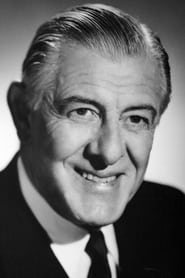
Paul Harvey
Actor
Born: September 10, 1882 in Sandwich, Illinois, USA Died: December 5, 1955 Active: 1915-1950
Films
2 films
About Paul Harvey
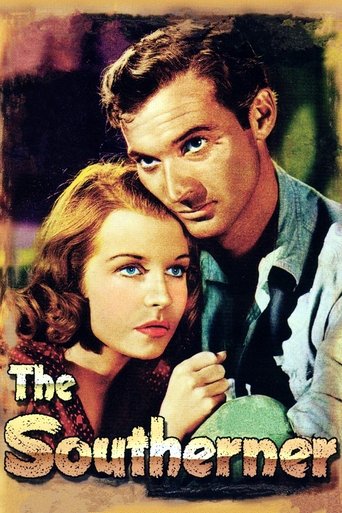
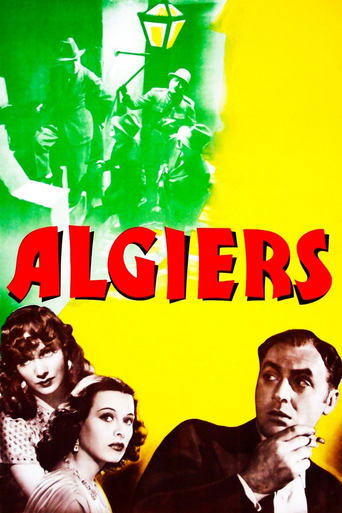
Prolific American character actor: over three decades of Hollywood's Golden Age. Born in Illinois in 1882, Harvey began his film career during the silent era and successfully transitioned to talkies, establishing himself as one of Hollywood's most reliable supporting actors. With his tall, dignified bearing and distinctive authoritative voice, he became typecast in roles as judges, doctors, military officers, and other figures of authority. Harvey appeared in more than 200 films between 1915 and 1950, working with virtually every major studio and sharing the screen with Hollywood's biggest stars. His performance in 'Algiers' (1938) alongside Charles Boyer and Hedy Lamarr showcased his ability to command presence even in supporting roles. In 'The Southerner' (1945), directed by Jean Renoir, Harvey demonstrated his versatility by playing Uncle Munn, a role that required both warmth and gravitas. Despite never achieving leading man status, Harvey's consistent performances and professional reliability made him a valuable asset to the studio system, and he continued working steadily until his death in 1955.
The Craft
On Screen
Paul Harvey was known for his dignified, authoritative acting style characterized by his tall stature, commanding presence, and resonant voice. He specialized in playing authority figures with a natural gravitas that made his performances believable and memorable. His approach was understated yet powerful, relying on his natural bearing and delivery rather than exaggerated gestures or mannerisms. Harvey had the ability to convey authority and wisdom through subtle facial expressions and measured speech patterns, making him particularly effective in roles requiring credibility and respect. He excelled in the supporting role, often stealing scenes with minimal screen time through sheer presence and authentic delivery.
Milestones
- Appeared in over 200 films during his career
- Successful transition from silent films to talkies
- Regular supporting actor at major Hollywood studios
- Memorable role as Colonel in 'Algiers' (1938)
- Critically acclaimed performance as Uncle Munn in 'The Southerner' (1945)
- Worked with renowned directors including Jean Renoir
- Established himself as the quintessential authority figure in Hollywood films
Best Known For
Iconic Roles
Must-See Films
Working Relationships
Worked Often With
Studios
Why They Matter
Impact on Culture
Paul Harvey contributed significantly to the fabric of Hollywood's Golden Age cinema through his consistent and reliable performances in supporting roles. As. His work in films like 'Algiers' and 'The Southerner' demonstrated the importance of strong supporting performances in creating believable cinematic worlds. Harvey's ability to bring authenticity to authority roles helped legitimize the dramatic stakes of countless films, making him an essential component of Hollywood's storytelling machinery during the studio system era.
Lasting Legacy
Paul Harvey's legacy endures through his extensive body of work that spans the transition from silent films to sound cinema. While never a household name, his face and voice became familiar to generations of moviegoers who recognized him as the embodiment of authority and wisdom in classic Hollywood films. His performances in over 200 films created a template for character actors specializing in authority roles, influencing subsequent generations of supporting actors. Today, film scholars and classic cinema enthusiasts appreciate Harvey's contributions to the golden age of Hollywood, recognizing him as an essential component of the studio system's success. His work shows the importance of reliable, professional character actors in creating memorable and authentic cinematic experiences.
Who They Inspired
Paul Harvey influenced subsequent generations of character actors through his demonstration of how to create memorable supporting performances with limited screen time. His approach to playing authority figures with authenticity and dignity set a standard for actors in similar roles. Younger actors studying classic cinema can learn from Harvey's techniques in conveying authority through subtle means rather than overacting. His successful career transition from silent films to talkies also provides a model for adaptability in the entertainment industry. Harvey's work ethic and professionalism, consistently delivering quality performances regardless of role size, established an example for character actors in maintaining long-term careers in Hollywood.
Off Screen
Paul Harvey maintained a relatively private personal life throughout his Hollywood career. Born and raised in Illinois, he moved to California to pursue his acting career during the early days of Hollywood. Harvey was known for his professionalism and reliability on set, earning the respect of directors and fellow actors alike. Despite his extensive filmography, he rarely gave interviews or sought publicity, preferring to let his work speak for itself. He was married and had children, though details about his family life remain largely private. Harvey continued working in films until shortly before his death from a heart attack in Los Angeles at age 73.
Education
Limited information available about his formal education, though he likely received basic education in Illinois before pursuing acting
Did You Know?
- Appeared in over 200 films during his 35-year career
- Often without on-screen billing in many of his early film roles
- Was a favorite of director Frank Capra, appearing in several of his films
- His distinctive voice and tall stature made him perfect for authority figures
- Successfully transitioned from silent films to talkies unlike many of his contemporaries
- Worked with virtually every major Hollywood studio during the Golden Age
- Never received top billing but was consistently employed throughout his career
- His final film appearance was in 1950, five years before his death
- Often played judges, doctors, and military officers in his later career
- Was part of Hollywood's reliable stable of character actors during the studio era
In Their Own Words
In the movies, you learn to do with your face what you do with your voice on the stage - that is, you learn to make your thoughts audible without saying a word.
Being a character actor means never having to say you're sorry for not being the leading man.
Frequently Asked Questions
Who was Paul Harvey?
Screen credits include over 200 films during Hollywood's Golden Age. He was known for playing authority figures such as judges, doctors, and military officers with his distinctive tall stature and commanding presence.
What films is Paul Harvey best known for?
Titles linked here include Algiers (1938), The Southerner (1945).
When was Paul Harvey born and when did he die?
Born September 10, 1882; died December 5, 1955.
What awards did Paul Harvey win?
Despite his extensive filmography and respected career, Paul Harvey did not receive major awards or nominations. His contributions were recognized through consistent employment and the respect of his peers in the industry.
What was Paul Harvey's acting style?
Paul Harvey was known for his dignified, authoritative acting style characterized by his tall stature, commanding presence, and resonant voice. He specialized in understated yet powerful performances, using natural bearing and measured delivery rather than exaggerated gestures.
How many films did Paul Harvey appear in?
Paul Harvey appeared in over 200 films during his career spanning from 1915 to 1950, making him.
Did Paul Harvey work with famous directors?
Yes, Paul Harvey worked with many renowned directors including Frank Capra, Preston Sturges, and Jean Renoir. He was particularly favored by Capra, appearing in several of his films including 'Mr. Smith Goes to Washington'.