
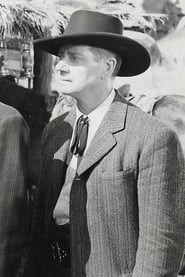
Cyril Ring
Actor
Born: December 5, 1892 in Boston, Massachusetts, USA Died: January 20, 1967 Active: 1929-1952
Films
2 films
About Cyril Ring
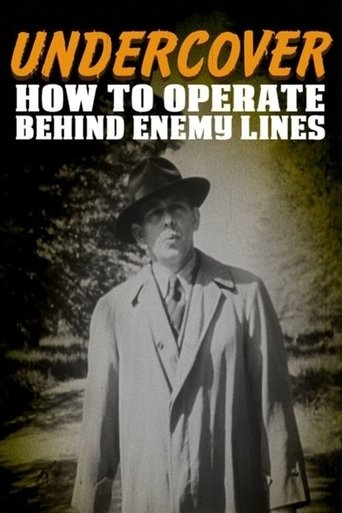
Prolific American character actor: the transition from silent films to sound pictures during Hollywood's Golden Age. Born in Boston in 1892, Ring began his film career in the late 1920s and quickly established himself as a reliable supporting actor, particularly in comedy productions. He gained lasting fame through his recurring appearances in Marx Brothers films, starting with their feature debut 'The Cocoanuts' in 1929, where he perfected his trademark nervous, flustered persona. Throughout the 1930s and early 1940s, Ring appeared in over 300 films, including his flustered hotel-manager turns in The Cocoanuts (1929) and other Marx Brothers features. His distinctive style of portraying anxious, excitable characters made him a favorite among comedy directors seeking reliable comic relief. During World War II, he appeared in patriotic films like 'Undercover: How to Operate Behind Enemy Lines' (1943), contributing to the war effort through his craft. Ring's career gradually wound down in the late 1940s, though he continued working in smaller roles until his retirement from the film industry.
The Craft
On Screen
Cyril Ring specialized in portraying nervous, anxious, and easily flustered characters with a distinctive high-pitched delivery and expressive facial reactions. His physical comedy skills involved frantic gestures, wide-eyed expressions, and a perpetually worried demeanor that made him perfect for comic relief roles. Ring had remarkable timing in his reactions to the chaos around him, particularly in Marx Brothers films where he served as the perfect straight man to their anarchy. His ability to convey panic and confusion with subtlety and humor made him a favorite among comedy directors of the era.
Milestones
- Appeared in the Marx Brothers' first feature film 'The Cocoanuts' (1929)
- Became a recurring actor in multiple Marx Brothers films throughout the 1930s
- Appeared in over 300 films during his career
- Established the nervous, excitable character type that became his trademark
- Worked with major comedy teams of the era including the Marx Brothers
- Contributed to wartime propaganda films during WWII
- Transitioned successfully from silent films to talkies
Best Known For
Iconic Roles
Must-See Films
Working Relationships
Worked Often With
Studios
Why They Matter
Impact on Culture
Cyril Ring made a significant contribution to the landscape of American comedy cinema during its golden era, particularly through his work with the Marx Brothers. His distinctive nervous persona became an archetype in comedy films, influencing how supporting characters were written to contrast with zany leads. Ring's performances helped establish the template for the 'straight man' character in ensemble comedies, demonstrating how a perpetually anxious character could enhance rather than detract from the main comedic elements. His work in over 300 films made him a familiar face to generations of moviegoers, and his performances in Marx Brothers films continue to be appreciated by new audiences discovering classic comedy. Ring represented the essential but often unsung character actors who provided the foundation upon which Hollywood's greatest comedies were built.
Lasting Legacy
Cyril Ring's legacy endures through his memorable performances in some of the most beloved comedy films of the 1930s. His work with the Marx Brothers has been preserved through continued theatrical revivals, television broadcasts, and home video releases, ensuring that new generations discover his unique comedic talents. Film historians and classic cinema enthusiasts recognize Ring as a quintessential example of the skilled character actors who populated Hollywood's golden age, bringing depth and consistency to countless productions. His ability to create a memorable character type with limited screen time demonstrated the artistry of supporting performances in classic cinema. Ring's career shows the importance of character actors in creating the Hollywood's golden era.
Who They Inspired
Cyril Ring influenced the development of supporting character archetypes in American comedy cinema. His nervous, flustered persona became a template for subsequent character actors playing similar roles in ensemble comedies. The way Ring balanced genuine emotion with comic timing demonstrated how supporting characters could enhance rather than overshadow the main performers. His work in Marx Brothers films showed how effectively a straight man with distinctive characteristics could amplify the chaos created by comedic leads. Later character actors in comedy films, particularly those playing anxious or nervous characters, owe a debt to Ring's work in establishing this archetype on screen.
Off Screen
Cyril Ring maintained a relatively private personal life despite his extensive film career. He was married to actress Charlotte Treadway, with whom he sometimes appeared in films together. The couple had one child. Ring was known among his colleagues as a professional and reliable actor who took his craft seriously despite often playing comic roles. After retiring from films, he lived quietly in Hollywood until his death in 1967 at the age of 74.
Family
- Charlotte Treadway (1920s-1967)
Did You Know?
- Appeared in all five of the Marx Brothers' Paramount films
- Prolific character actors of the 1930s with over 300 film appearances
- Often without on-screen billing in his early film roles despite having substantial screen time
- His nervous demeanor was so convincing that audiences often believed he was genuinely anxious in real life
- Worked as a vaudeville performer before transitioning to films
- Appeared in both silent films and successfully made the transition to talkies
- His distinctive high-pitched voice made him instantly recognizable on radio as well as film
- Often played hotel clerks, bank tellers, and other authority figures who became flustered by chaos
- Continued working in films even as his roles became smaller in the 1940s
- Was a favorite of comedy directors for his reliability and consistency in delivering laughs
In Their Own Words
(As a nervous hotel guest in 'The Cocoanuts') 'Oh, dear me! Oh, dear me! What's going to happen now?'
(In response to Marx Brothers chaos) 'I can't stand this! I simply can't stand this!'
Frequently Asked Questions
Who was Cyril Ring?
Prolific American character with credits in this catalog.
What films is Cyril Ring best known for?
Titles linked here include The Cocoanuts (1929), Animal Crackers (1930).
When was Cyril Ring born and when did he die?
Born December 5, 1892; died January 20, 1967.
What awards did Cyril Ring win?
Despite his extensive film career, Cyril Ring did not receive major awards or nominations, as was common for character actors of his era who provided essential support to films but rarely received formal recognition.
What was Cyril Ring's acting style?
Cyril Ring specialized in playing nervous, anxious, and easily flustered characters with distinctive high-pitched delivery, expressive facial reactions, and frantic physical comedy that made him perfect for comic relief roles.
How many films did Cyril Ring appear in?
Cyril Ring appeared in over 300 films during his career from 1929 to 1952, making him.
Did Cyril Ring work with other comedy teams besides the Marx Brothers?
While primarily associated with the Marx Brothers, Cyril Ring worked with various comedy productions throughout his career, though his most memorable and frequent collaborations were indeed with the Marx Brothers team.
What was Cyril Ring's contribution to wartime films?
During World War II, Cyril Ring appeared in patriotic films like 'Undercover: How to Operate Behind Enemy Lines' (1943), contributing to the war effort by participating in propaganda and morale-boosting productions.