
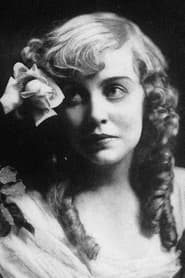
Violet MacMillan
Actor
Born: March 4, 1887 in Grand Rapids, Michigan, USA Died: December 29, 1953 Active: 1914-1914 (film), c. 1908-1920s (stage)
Films
3 films
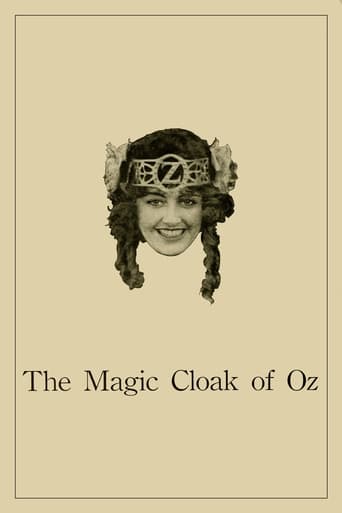

About Violet MacMillan
American stage and screen actress who achieved her greatest fame during the silent film era, particularly through her association with the prolific filmmaker L. Frank Baum. Born in Michigan, she began her career as a stage actress, touring with stock companies before catching the eye of Baum's Oz Film Manufacturing Company. MacMillan's brief but memorable film career was entirely concentrated in the year 1914, where she starred in three of the company's ambitious fantasy productions. She portrayed Dorothy Gale in 'His Majesty, the Scarecrow of Oz' and 'The Magic Cloak of Oz,' and took on the title role of Ojo in 'The Patchwork Girl of Oz.' Her performances were characterized by a gentle sincerity and wide-eyed innocence that perfectly suited the fantastical worlds she inhabited. Unfortunately, the Oz Film Company struggled financially and dissolved after its first year, abruptly ending MacMillan's film career. She subsequently returned to her first love, the stage, where she continued to act in theatrical productions for many years, though she never again achieved the level of visibility she enjoyed during her brief cinematic tenure. Her legacy remains tied to her foundational contributions to the early cinematic adaptations of the beloved Oz series.
The Craft
On Screen
Violet MacMillan's acting style was emblematic of the early silent era, emphasizing broad, expressive gestures and clear pantomime to convey emotion to the audience without the aid of dialogue. Her performances in the Oz films were marked by a childlike innocence and earnestness, a deliberate choice to embody the pure-hearted protagonists of Baum's fantasy world. She utilized large, expressive eyes and a gentle demeanor to create a sense of wonder and sincerity, effectively drawing viewers into the magical settings. Her stage training provided her with the projection and physicality necessary for the medium, allowing her to dominate the frame and communicate her character's intentions clearly, a crucial skill for silent film actors.
Milestones
- Starred as Dorothy Gale in 'His Majesty, the Scarecrow of Oz' (1914)
- Portrayed the title character in 'The Patchwork Girl of Oz' (1914)
- Starred as Princess Fluff in 'The Magic Cloak of Oz' (1914)
- Was a principal actress for L. Frank Baum's Oz Film Manufacturing Company
- Returned to a successful stage career after her film career ended
Best Known For
Iconic Roles
Must-See Films
Working Relationships
Worked Often With
Studios
Why They Matter
Impact on Culture
Violet MacMillan's cultural impact is primarily centered on her role as one of the very first actresses to portray Dorothy Gale on screen, a character that would become an enduring icon of American cinema. Her work with the Oz Film Manufacturing Company represents a significant, though commercially unsuccessful, early attempt to create a fantasy film franchise based on a beloved literary property. These films are now invaluable artifacts for silent film enthusiasts and Oz scholars, offering a unique glimpse into the early cinematic interpretation of Baum's world before the landmark 1939 Technicolor version. MacMillan's embodiment of the character helped set an early template for the role, emphasizing innocence and courage, traits that would define the character for generations. Though her fame was fleeting, her contribution to the cinematic history of Oz is permanent and historically significant.
Lasting Legacy
Violet MacMillan's legacy is that of a foundational figure in the long and storied history of L. Frank Baum's Oz adaptations. While she is not a household name like Judy Garland, her performances are preserved in three of the earliest surviving feature films based on the Oz books. For film historians and dedicated fans, she represents a crucial link between the literary origins of the characters and their later, more famous incarnations. Her work serves as a time capsule of silent-era fantasy filmmaking, showcasing the production design, costumes, and acting techniques of the period. Her career stands as proof of the many actors whose contributions to early cinema were substantial but have been largely overshadowed by the passage of time and the advent of sound.
Who They Inspired
As an actress whose career was brief and confined to the silent era, Violet MacMillan's direct influence on subsequent performers is difficult to trace. However, her portrayal of Dorothy Gale contributed to the early visual and performative language associated with the character. Her work, along with that of her contemporaries in the Oz films, can be seen as part of the developmental process of adapting fantasy literature for the screen, influencing how future filmmakers and actors would approach bringing such worlds to life. Her performances are studied by those interested in the evolution of acting styles from stage to silent film and in the history of one of cinema's most beloved franchises.
Off Screen
Violet MacMillan was known to have been a dedicated actress who prioritized her craft in both film and theater. After her film career ended, she married and continued her life away from the glitz of Hollywood. Details about her personal life remain relatively private, as was common for many actors of her era who did not achieve major stardom. She spent her later years in Los Angeles, California, where she passed away in 1953.
Family
- Harry A. Gant (married c. 1915)
Did You Know?
- Her entire film career, consisting of three feature films, was produced and released in a single year: 1914.
- She was one of the principal actors under contract to L. Frank Baum's own film production company.
- She portrayed two different iconic Oz characters: Dorothy Gale and Ojo.
- The Oz Film Manufacturing Company was a commercial failure, leading to the end of her film career after just one year.
- Before her film work, she had an extensive career as a stage actress, which she returned to afterward.
- The three films she starred in were all directed by J. Farrell MacDonald, who would later become a prolific character actor in sound films.
- Despite her prominence in the Oz films, she was not the first to play Dorothy on screen; that was Bebe Daniels in a 1910 short film.
- Her film 'The Magic Cloak of Oz' was not released until 1917 due to the company's financial troubles.
- She was reportedly a personal favorite of L. Frank Baum himself for the role of Dorothy.
- Her films are now in the public domain and are frequently included in collections of early fantasy and silent films.
Frequently Asked Questions
Who was Violet MacMillan?
American stage and silent film actress best known for starring in three of L. Frank Baum's early Oz film adaptations in 1914. She portrayed Dorothy Gale and other characters for Baum's short-lived Oz Film Manufacturing Company before returning to a career in theater.
What films is Violet MacMillan best known for?
Titles linked here include His Majesty, the Scarecrow of Oz (1914), The Patchwork Girl of Oz (1914).
When was Violet MacMillan born and when did she die?
Born March 4, 1887; died December 29, 1953.
What awards did Violet MacMillan win?
Violet MacMillan did not receive any major film awards during her career. Her work was in the early silent era, before the establishment of major award ceremonies like the Academy Awards, and her film career was very brief.
What was Violet MacMillan's acting style?
Her acting style was typical of the silent era, relying on expressive pantomime, broad gestures, and facial expressions to convey emotion. She specialized in portraying innocent, wide-eyed characters, which made her a perfect fit for the fantasy world of Oz.
Why did Violet MacMillan's film career end so quickly?
Her film career ended abruptly because the Oz Film Manufacturing Company, which produced all her movies, went out of business after its first year due to poor box office returns and distribution problems. This left her without a film contract, prompting her return to the stage.