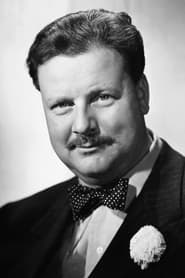
Walter Slezak
Actor
Born: May 3, 1902 in Vienna, Austria-Hungary Died: April 21, 1983 Active: 1922-1983
Films
3 films
About Walter Slezak
Austrian-American character actor: from European silent cinema to Hollywood's Golden Age. Born into an artistic family as the son of renowned opera singer Leo Slezak, he began his career in Austrian and German films during the 1920s, appearing in notable silent productions like 'Sodom and Gomorrah' (1922) and 'Michael' (1924). After establishing himself in European cinema, Slezak emigrated to the United States where he successfully transitioned to sound films, becoming one of Hollywood's most reliable character actors. His breakthrough role came in Alfred Hitchcock's 'Lifeboat' (1944), for which he won the Academy Award for Best Supporting Actor, playing a German U-boat captain. Throughout his career, he displayed remarkable versatility, often playing villains, charming rogues, or comic relief characters in over 100 films. Slezak also found success on Broadway and television later in his career, demonstrating his adaptability across different media. His distinctive accent and imposing presence made him a memorable figure in classic cinema, and he continued working until shortly before his death in 1983.
The Craft
On Screen
Walter Slezak was known for his versatile character acting, often bringing depth and nuance to supporting roles. He possessed a distinctive voice and accent that served him well in both villainous and sympathetic characters. His acting style combined European theatrical training with Hollywood naturalism, allowing him to seamlessly transition between menacing antagonists and charming comedic characters. Slezak had a particular talent for playing complex, morally ambiguous figures, using his imposing physical presence and expressive eyes to convey multiple layers of emotion. He was especially skilled at maintaining audience sympathy even when playing antagonists, proof of his nuanced approach to character development.
Milestones
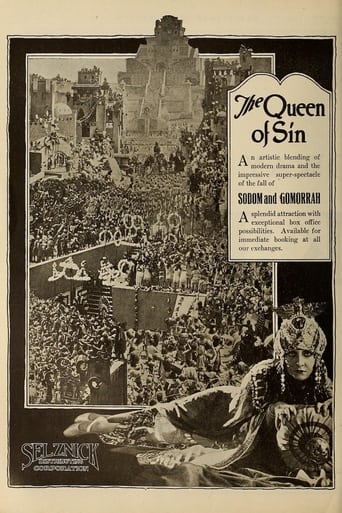
- Starred in European silent films including 'Sodom and Gomorrah' (1922)
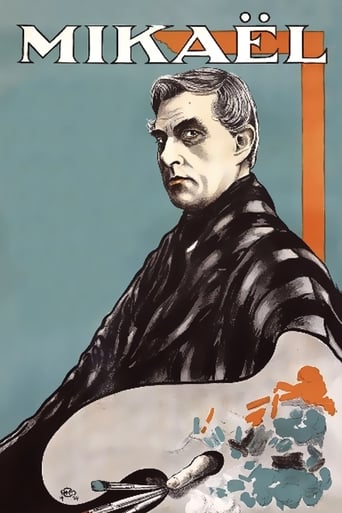
- Appeared in the acclaimed German film 'Michael' (1924)
- Won Academy Award for Best Supporting Actor for 'Lifeboat' (1944)
- Successfully transitioned from European cinema to Hollywood stardom
- Appeared in over 100 films throughout his career
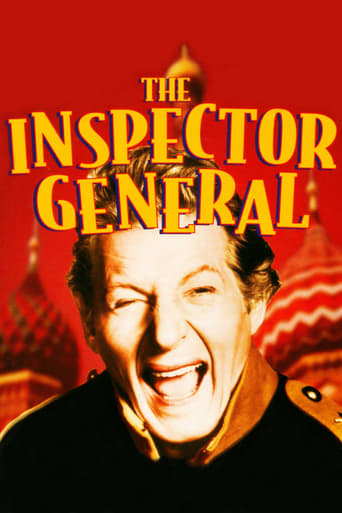
- Starred in 'The Inspector General' (1950) with Danny Kaye
- Performed on Broadway in 'The Sound of Music' as Captain von Trapp
Best Known For
Iconic Roles
Must-See Films
Accolades
Won
- Academy Award for Best Supporting Actor for 'Lifeboat' (1944)
- Golden Globe Award for Best Supporting Actor for 'Lifeboat' (1944)
Nominated
- New York Film Critics Circle Award for Best Actor for 'Lifeboat' (1944)
Special Recognition
- Hollywood Walk of Fame star at 6345 Hollywood Boulevard
- Inducted into the American Theater Hall of Fame
Working Relationships
Worked Often With
Studios
Why They Matter
Impact on Culture
Walter Slezak represented the successful transition of European talent to Hollywood during the golden age of cinema. As one of the many actors who fled the rise of Nazism in Europe, he became part of the artistic diaspora that enriched American film and theater. His Oscar-winning performance in 'Lifeboat' demonstrated how foreign actors could bring international perspectives to American cinema, particularly in films dealing with World War II themes. Slezak's active years covered the evolution from silent films to talkies, from European art cinema to Hollywood studio productions, and from film to television, making him a living testament to the changes in the entertainment industry during the mid-20th century.
Lasting Legacy
Walter Slezak's legacy endures through his extensive body of work and the impact he had on character acting in Hollywood. His Academy Award-winning performance in 'Lifeboat' remains. The continuation of his artistic lineage through his daughter Erika Slezak's successful acting career demonstrates the family's lasting contribution to entertainment. His books, including his autobiography 'What Time's the Next Swan?', preserved stories from both European and American entertainment history. Slezak is remembered as one of Hollywood's most reliable and versatile character actors, capable of elevating any production with his presence.
Who They Inspired
Walter Slezak influenced subsequent generations of character actors, particularly those with European backgrounds working in Hollywood. He demonstrated that foreign actors could find success in American cinema without completely abandoning their cultural identity, paving the way for later international stars. His ability to play sympathetic antagonists influenced how filmmakers approached complex characterizations, especially in wartime films. His successful transition from film to Broadway also inspired other actors to explore multiple performance mediums. Slezak's dedication to his craft and his ability to work consistently across different genres and styles serves as a model for professional longevity in the entertainment industry.
Off Screen
Walter Slezak came from a artistic family and was married twice during his lifetime. His first marriage was to Johanna 'Käthe' van Riess, with whom he had three children, including actress Erika Slezak. After their divorce, he married actress Lili Darvas in 1962, remaining with her until his death. Slezak was known for his wit and intellectual pursuits outside of acting, including writing several books. He became a naturalized American citizen and divided his time between Hollywood and New York, particularly during his Broadway years. Despite his success, he maintained a reputation for being down-to-earth and approachable, often sharing stories about his father's opera career and his own European beginnings.
Education
Educated in Vienna, studied acting at the Max Reinhardt Seminar
Family
- Johanna 'Käthe' van Riess (1930-1960)
- Lili Darvas (1962-1983)
Did You Know?
- He was the son of world-famous opera tenor Leo Slezak
- He spoke five languages fluently: German, English, French, Italian, and Hungarian
- He wrote several books, including his autobiography 'What Time's the Next Swan?'
- His daughter Erika Slezak won six Daytime Emmy Awards for her role in 'One Life to Live'
- He originally studied to be a lawyer before turning to acting
- He was a talented amateur painter and photographer
- He stood 6'2" tall, making him an imposing presence on screen
- He was a naturalized American citizen who maintained homes in both California and New York
- He appeared in over 100 films throughout his career
- His second wife Lili Darvas was a famous Hungarian actress and former wife of Hungarian playwright Ferenc Molnár
In Their Own Words
I never wanted to be a star. I wanted to be an actor. Stars are temporary, actors are forever.
My father taught me that the most important thing in life is to be interesting, not to be interested in yourself.
In Hollywood, they don't throw you out when you get old. They just stop casting you.
I've played everything from heroes to villains, but the most challenging role is being yourself.
Frequently Asked Questions
Who was Walter Slezak?
Austrian-American character with credits in this catalog. He won an Academy Award for Best Supporting Actor for his role in Alfred Hitchcock's 'Lifeboat' (1944) and appeared in over 100 films throughout his career.
What films is Walter Slezak best known for?
Titles linked here include Lifeboat (1944), The Inspector General (1950).
When was Walter Slezak born and when did he die?
Born May 3, 1902; died April 21, 1983.
What awards did Walter Slezak win?
Walter Slezak won the Academy Award for Best Supporting Actor and the Golden Globe Award for Best Supporting Actor, both for his performance in 'Lifeboat' (1944). He also received a star on the Hollywood Walk of Fame and was inducted into the American Theater Hall of Fame.
What was Walter Slezak's acting style?
Walter Slezak was known for his versatile character acting, often bringing depth and nuance to supporting roles. He possessed a distinctive voice and accent that served him well in both villainous and sympathetic characters, combining European theatrical training with Hollywood naturalism. He was especially skilled at playing complex, morally ambiguous figures.
Was Walter Slezak related to other famous actors?
Yes, Walter Slezak came from a artistic family. His father was world-famous opera tenor Leo Slezak, and his daughter Erika Slezak became a successful actress, winning six Daytime Emmy Awards for her role in the soap opera 'One Life to Live'.
Did Walter Slezak work in theater as well as film?
Yes, Walter Slezak had a successful stage career, particularly on Broadway. One of his most notable theatrical roles was playing Captain von Trapp in the original Broadway production of 'The Sound of Music'. His versatility across film, television, and theater demonstrated his adaptability as a performer.