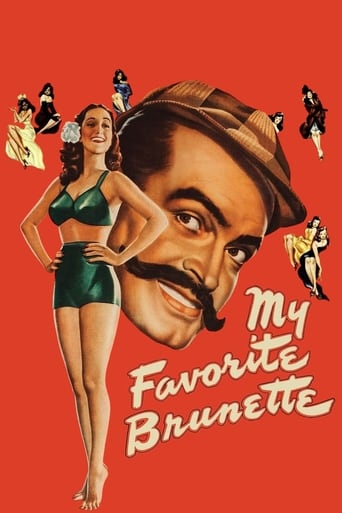
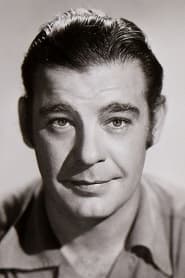
Lon Chaney Jr.
Actor
Born: February 10, 1906 in Oklahoma City, Oklahoma, USA Died: July 12, 1973 Active: 1922-1973 Birth Name: Creighton Tull Chaney
Films
4 films
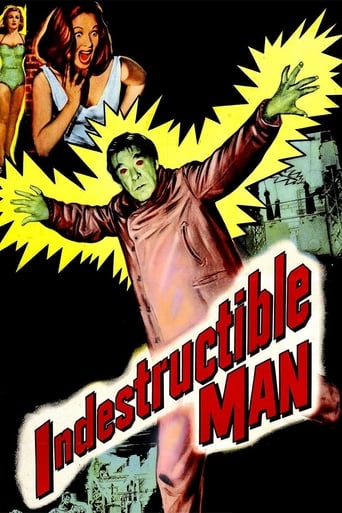
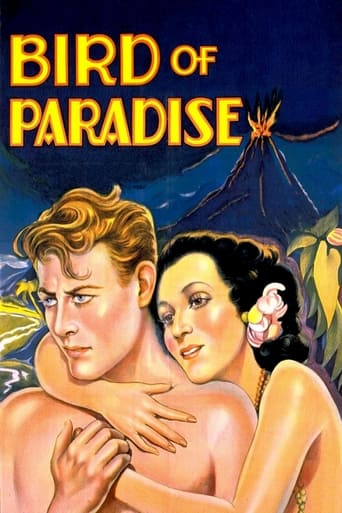
About Lon Chaney Jr.
Lon Chaney Jr., born Creighton Tull Chaney, was an American actor who became a figure in horror cinema during the Golden Age of Hollywood. Initially reluctant to follow in his famous father's footsteps, he worked various jobs including as a plumber and fruit picker before reluctantly entering acting. His breakthrough came with his powerful performance as Lennie Small in 'Of Mice and Men' (1939), which led to a contract with Universal Studios. Chaney Jr. Became the studio's premier horror star, creating portrayals of The Wolf Man, Frankenstein's monster, The Mummy, and Dracula in the 1940s. Unlike his father's mastery of silent film makeup transformation, Chaney Jr. Specialized in conveying tortured humanity beneath monstrous exteriors. His over three decades with more than 150 film appearances, though he struggled with typecasting in his later years. Despite battling alcoholism and health issues, he continued working in films and television until his death in 1973.
The Craft
On Screen
Chaney Jr. Developed a distinctive acting style characterized by his ability to portray tortured, sympathetic monsters. His performances often featured a blend of brute physicality and emotional vulnerability, making his monstrous characters relatable to audiences. Unlike his father's emphasis on physical transformation through makeup, Chaney Jr. Focused on psychological depth, using his deep, resonant voice and expressive eyes to convey inner conflict. His approach to horror acting emphasized the tragedy of the monster rather than simply the terror, a more nuanced form of horror performance that influenced generations of actors.
Milestones
- Breakthrough role as Lennie Small in 'Of Mice and Men' (1939)
- Signed contract with Universal Studios in 1941
- Created role of The Wolf Man (1941)
- Became first actor to play Universal's four major monsters: Wolf Man, Frankenstein's Monster, The Mummy, and Count Dracula
- Starred in the horror film series 'Inner Sanctum' (1943-1945)
- Made transition to television in the 1950s and 1960s
Best Known For
Iconic Roles
Must-See Films
Accolades
Special Recognition
- Hollywood Walk of Fame star (7021 Hollywood Blvd)
- Inducted into the Horror Hall of Fame (1973)
- Featured on US postage stamp as part of 'Classic Movie Monsters' series (2017)
Working Relationships
Worked Often With
Studios
Why They Matter
Impact on Culture
Lon Chaney Jr. Fundamentally shaped the horror genre by humanizing its monsters and creating the template for the sympathetic creature. His portrayal of Larry Talbot in 'The Wolf Man' established the werewolf as a tragic figure cursed against his will, a characterization that persists in modern horror. Chaney Jr.'s work helped define Universal's classic monster universe, creating a shared cinematic universe decades before Marvel popularized the concept. His performances introduced psychological depth to horror characters, elevating the genre beyond simple scares to explore themes of alienation, identity, and the monster within. This approach influenced countless horror films and helped establish horror as a vehicle for exploring complex human emotions.
Lasting Legacy
Lon Chaney Jr.'s legacy endures through his monster portrayals that continue to influence horror cinema and popular culture. He remains the only actor to have portrayed all four of Universal's classic monsters, a unique achievement in film history. His Wolf Man character has been referenced and reimagined in numerous films, television shows, and comic books. Despite being overshadowed by his father's legacy during his lifetime, Chaney Jr. Is now recognized as a horror icon in his own right, with his films considered classics of the genre. His ability to bring pathos to monster roles created a new archetype in horror that continues to be emulated by actors today.
Who They Inspired
Chaney Jr. Influenced generations of horror actors by demonstrating that monster roles could be vehicles for serious dramatic performance. His technique of conveying inner torment through physical presence and vocal delivery became a standard for horror performances. Actors like Christopher Lee, Peter Cushing, and later Robert Englund (Freddy Krueger) have cited Chaney Jr.'s approach as an influence. His work also influenced horror filmmakers in how they develop monster characters, emphasizing the tragedy and humanity beneath the monstrous exterior. The psychological depth he brought to horror roles helped elevate the genre's artistic credibility and paved the way for more sophisticated horror cinema.
Off Screen
Lon Chaney Jr. Had a complex personal life marked by the shadow of his famous father and his own struggles with alcoholism. He married twice, first to Dorothy Hinckley in 1926, with whom he had two sons, and later to Patsy Beck in 1937. His relationship with his father was distant, as Lon Chaney Sr. Discouraged his son from entering show business. Despite his success in horror films, Chaney Jr. Often expressed resentment at being typecast and longed for more dramatic roles. He battled alcoholism for much of his adult life, which affected his career and health in later years.
Education
Attended local schools in Oklahoma and California; did not receive formal dramatic training
Family
- Dorothy Hinckley (1926-1937)
- Patsy Beck (1937-1968)
Did You Know?
- He was originally credited as 'Creighton Chaney' until 1935 when he was billed as 'Lon Chaney Jr.' for marketing purposes
- His father Lon Chaney Sr. Died when he was only 21, and they had a distant relationship
- He worked as a plumber, butcher's assistant, and fruit picker before becoming an actor
- Despite being typecast in horror roles, he was actually an accomplished dramatic actor who wanted serious roles
- He was the first choice to play Quasimodo in the 1939 remake of 'The Hunchback of Notre Dame' but lost the role to Charles Laughton
- He appeared in over 150 films during his career, more than his famous father
- His Wolf Man makeup took over 5 hours to apply each day
- He was a close friend of Boris Karloff and Bela Lugosi despite their professional rivalries
- He served in the US Army during World War II but was discharged due to a knee injury
- His final film appearance was in 'Dracula vs. Frankenstein' (1971), released two years before his death
In Their Own Words
I'd like to be remembered as an actor who could play more than just monsters. I've played everything from a cowboy to a murderer, but people only remember the monsters.
When you're the son of a famous father, you're always in his shadow. I had to make my own way, and horror became my path.
Playing the Wolf Man wasn't just about growling and snarling. It was about showing a man trapped in a nightmare he couldn't escape.
Horror films are not just about scaring people. They're about showing the dark side of human nature that exists in all of us.
Frequently Asked Questions
Who was Lon Chaney Jr.?
American with credits in this catalog. He was the son of silent film star Lon Chaney Sr. And became the only actor to portray all four of Universal's classic monsters: The Wolf Man, Frankenstein's Monster, The Mummy, and Dracula.
What films is Lon Chaney Jr. Best known for?
Titles linked here include The Wolf Man (1941), Of Mice and Men (1939).
When was Lon Chaney Jr. Born and when did he die?
Born February 10, 1906; died July 12, 1973.
What awards did Lon Chaney Jr. Win?
Despite his extensive career and status, Lon Chaney Jr. Did not receive major formal awards during his lifetime. However, he was posthumously honored with a star on the Hollywood Walk of Fame and was inducted into the Horror Hall of Fame. His contributions to horror cinema are now widely recognized as genre-defining.
What was Lon Chaney Jr.'s acting style?
Chaney Jr.'s acting style emphasized bringing humanity and pathos to monster roles. He used his deep voice and expressive features to convey inner conflict and tragedy, making his monsters sympathetic rather than purely terrifying. His approach combined physical presence with psychological depth, particularly in his portrayal of the tormented werewolf Larry Talbot.