
Lee Van Cleef
Actor
Born: January 9, 1925 in Somerville, New Jersey, USA Died: December 16, 1989 Active: 1952-1989 Birth Name: Clarence LeRoy Van Cleef Jr.
Films
2 films
About Lee Van Cleef
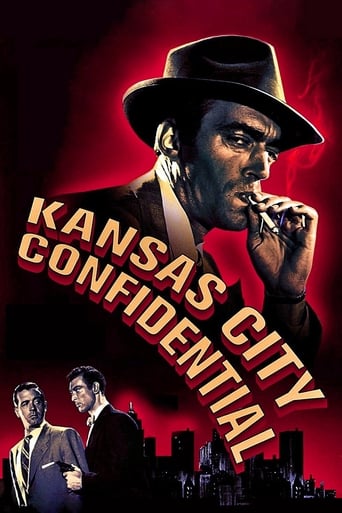
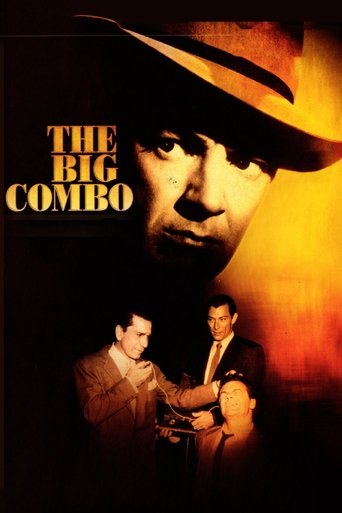
Clarence LeRoy Van Cleef Jr., known professionally as Lee Van Cleef, was an American actor whose nearly four decades in Hollywood and international cinema. After serving in the U.S. Navy during World War II, he began his film career in the early 1950s, quickly establishing himself as a formidable villain in film noir and Westerns. His piercing eyes, gaunt features, and imposing presence made him a natural antagonist in films like 'Kansas City Confidential' (1952) and 'The Big Combo' (1955). Van Cleef's career experienced a remarkable renaissance in the 1960s when Italian director Sergio Leone cast him as the Colonel Douglas Mortimer in 'For a Few Dollars More' (1965), transforming him from a supporting villain to a leading man. This led to his role as Angel Eyes in 'The Good, the Bad and the Ugly' (1966), cementing his status as a Spaghetti Western icon. Throughout the 1970s and 1980s, he continued to work prolifically in Westerns and action films, both in Europe and Hollywood. His final years saw him return to television with the series 'The Master' (1984), though his health was declining. Van Cleef passed away in 1989, leaving behind a legacy as one of cinema's most memorable screen presences.
The Craft
On Screen
Van Cleef was known for his intense, minimalist acting style characterized by piercing stares, deliberate movements, and a commanding screen presence. His tall, lean frame and distinctive hawk-like features made him instantly recognizable. He excelled at portraying morally ambiguous characters with a quiet menace, often conveying more through his eyes and subtle gestures than through dialogue. His transition from villain to anti-hero showcased his range, bringing a weathered authenticity to Western roles that resonated with audiences worldwide.
Milestones
- Film debut in 'Kansas City Confidential' (1952)
- Breakthrough villain role in 'The Big Combo' (1955)
- Career resurgence with 'For a Few Dollars More' (1965)
- performance as Angel Eyes in 'The Good, the Bad and the Ugly' (1966)
- Starred in 'Death Rides a Horse' (1967)
- Led 'The Big Gundown' (1966)
- Television series 'The Master' (1984)
Best Known For
Iconic Roles
Must-See Films
Accolades
Won
- Western Heritage Awards (1971) for 'The Magnificent Seven Ride!'
- Golden Boot Award (1984)
Nominated
- Nominated for Golden Globe for Best Supporting Actor (1967) for 'The Good, the Bad and the Ugly'
Special Recognition
- Hollywood Walk of Fame star (1984)
- Inducted into the Western Performers Hall of Fame (2009)
- Spaghetti Western Hall of Fame inductee
Working Relationships
Worked Often With
Studios
Why They Matter
Impact on Culture
Lee Van Cleef's impact on cinema, particularly the Western genre, is profound and enduring. He revolutionized the archetype of the Western anti-hero, bringing a complex moral ambiguity to his characters that resonated with 1960s audiences. His collaboration with Sergio Leone helped define the Spaghetti Western genre, creating a new visual and narrative style that influenced countless filmmakers. Van Cleef's distinctive look and minimalist acting technique became, inspiring generations of actors in Western and action films. His characters represented a shift from the traditional clear-cut morality of classic Westerns to a more nuanced, cynical worldview that reflected the changing times. Beyond Westerns, his early film noir work contributed to the development of the cinematic villain archetype.
Lasting Legacy
Van Cleef's legacy endures through his unforgettable performances and the lasting influence he had on the Western genre. He transformed from a reliable character actor to an international star, proving that unconventional leading men could achieve massive success. His work in Spaghetti Westerns helped revitalize the entire Western genre in the 1960s, introducing European audiences to a grittier, more realistic style of Western filmmaking. The characters he portrayed, particularly Angel Eyes and Colonel Mortimer, have become cultural touchstones referenced in numerous films, TV shows, and other media. His influence extends to modern actors who portray morally complex characters, and his films continue to be studied for their revolutionary approach to storytelling and character development.
Who They Inspired
Van Cleef influenced numerous actors and directors across generations. His screen presence and acting style inspired actors like Charles Bronson, Jack Palance, and later, Kurt Russell and Tommy Lee Jones in their Western roles. Directors such as Quentin Tarantino have cited Van Cleef's work as a major influence, particularly in films like 'Kill Bill' which feature similar archetypes. His minimalist approach to acting demonstrated the power of subtlety and screen presence over elaborate technique. The international success of his films helped pave the way for other American actors to find success in European productions. His characters' moral complexity influenced the development of the anti-hero archetype in modern cinema, affecting everything from Westerns to superhero films.
Off Screen
Van Cleef was married three times and had three children. His first marriage to Patsy Ruth Poole ended in divorce after 12 years. He married actress Joan Drane in 1960, but they divorced in 1974. His final marriage to Barbara Havelone in 1976 lasted until his death. Van Cleef struggled with alcoholism during the 1970s but overcame it later in life. He was known for being a private person off-screen, though colleagues described him as professional and generous. His later years were marked by health problems including a heart attack and throat cancer.
Education
Somerville High School, New Jersey; attended Rutgers University briefly before joining the Navy
Family
- Patsy Ruth Poole (1943-1955)
- Joan Drane (1960-1974)
- Barbara Havelone (1976-1989)
Did You Know?
- Served in the U.S. Navy aboard a submarine tender during World War II
- Worked as an accountant after the war before turning to acting
- His distinctive scar on his chin was from a drunken fight
- Was originally considered for the role of Snake Plissken in 'Escape from New York' (1981)
- Clint Eastwood personally recommended him for 'For a Few Dollars More'
- Spoke fluent Italian during his Spaghetti Western period
- Was a skilled horseman who performed many of his own stunts
- His deep, distinctive voice was sometimes dubbed in early European films
- Turned down the role that went to Jack Elam in 'The Good, the Bad and the Ugly'
- Was a member of the Screen Actors Guild for over 35 years
In Their Own Words
When you have to shoot, shoot. Don't talk. - as Tuco's rival in 'The Good, the Bad and the Ugly'
I like my enemies dead and my money spent. - as Angel Eyes
In this world there's two kinds of people, my friend. Those with loaded guns, and those who dig. You dig. - as Angel Eyes
Frequently Asked Questions
Who was Lee Van Cleef?
American with credits in this catalog. He began his career as a villain in film noir and later became an international star through his collaborations with director Sergio Leone, most notably in 'The Good, the Bad and the Ugly' (1966).
What films is Lee Van Cleef best known for?
Titles linked here include The Good, the Bad and the Ugly (1966), For a Few Dollars More (1965).
When was Lee Van Cleef born and when did he die?
Born January 9, 1925; died December 16, 1989.
What awards did Lee Van Cleef win?
Van Cleef won the Golden Boot Award in 1984 and received a Western Heritage Award for 'The Magnificent Seven Ride!' in 1971. He was nominated for a Golden Globe for 'The Good, the Bad and the Ugly' and received a star on the Hollywood Walk of Fame in 1984.
What was Lee Van Cleef's acting style?
Van Cleef was known for his minimalist, intense acting style characterized by piercing stares, deliberate movements, and a commanding screen presence. He excelled at portraying morally ambiguous characters with quiet menace, often conveying more through his eyes and subtle gestures than dialogue.